THE ADVENTURE COLLECTIVE® · Independent discovery and booking for outdoor travel

Six days of mountain biking, high‑altitude hiking and Inca history linking Cusco to Machu Picchu. Ride down the Sacred Valley, hike the classic 12 km Inca approach, and finish with sunrise views at the Sun Gate.
Six days of mountain biking, high‑altitude hiking and Inca history linking Cusco to Machu Picchu. Ride down the Sacred Valley, hike the classic 12 km Inca approach, and finish with sunrise views at the Sun Gate.
You step off the morning train at KM 104 and the canyon exhales: waterfalls calling you up narrow stone paths, terraces rising like steps carved by patient hands. The route threads between cultivated fields and crumbling Inca masonry, and the air—thin and bright—pulls at your breath as you gain real elevation toward the Sun Gate.
Verified experiences and guided adventures in the surrounding area.
Operated by Activexpedition · Cusco, Cusco
You step off the morning train at KM 104 and the canyon exhales: waterfalls calling you up narrow stone paths, terraces rising like steps carved by patient hands. The route threads between cultivated fields and crumbling Inca masonry, and the air—thin and bright—pulls at your breath as you gain real elevation toward the Sun Gate.
This six-day loop balances pedal power and footwork. Start in Cusco, the colonial city built on Inca foundations, then ride down into the Sacred Valley past salt pans at Maras and the circular agricultural labs at Moray. Historic threads run through the itinerary: Quechua weaving traditions in Chinchero, the living stonework of Ollantaytambo, and the final approach to Machu Picchu—an archeological crown forged by geology and centuries of human ingenuity.
Geologically, the landscape is a collision zone: folded Andes, steep river canyons, and glacially polished ridges. Culturally, local communities maintain weaving, salt-harvesting and small-scale agriculture that shape both scenery and services.
Practically, expect varied terrain—gravel descents, 12 km high‑trail approaches, and one steep 4,900 m day to Rainbow Mountain if you opt in. Altitude management is essential: hydrate, move deliberately, and prioritize rest days. Bring layered clothing for sun, wind and afternoon showers, and plan for early starts to avoid crowds at major sites. Trains and park permits are scheduled; follow the guide’s timing. This trip is equal parts cultural immersion and sustained outdoor effort—rewarding for riders and hikers who want a condensed, well-supported Andes experience.
This itinerary includes the specified train segments and park admissions for the listed days; confirm exact ticket names and times on your booking voucher.
Altitude is a central factor—expect symptoms like headache or shortness of breath; acclimatize in Cusco, stay hydrated, and notify guides if symptoms worsen.
The downhill stages use wide dirt roads and are suitable for riders with basic off‑road confidence; guides can adjust pace and suggest partial transfers if needed.
Luggage beyond a small daypack is usually stored at hotels and transported by vehicle or train as outlined in the itinerary—pack a compact overnight bag for the KM 104 hike.
Activexpedition operates guided outdoor trips and adventures with an emphasis on safety, stewardship, and memorable experiences.
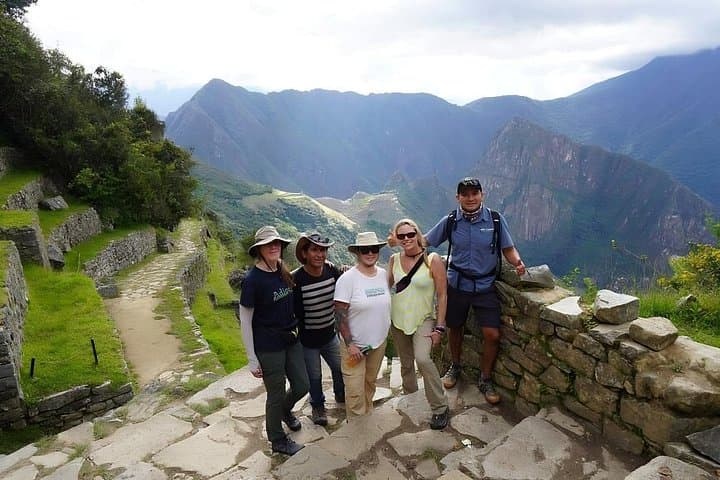
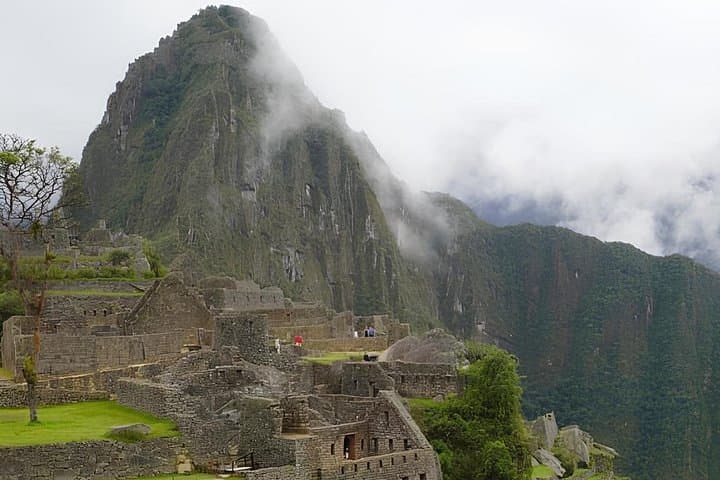
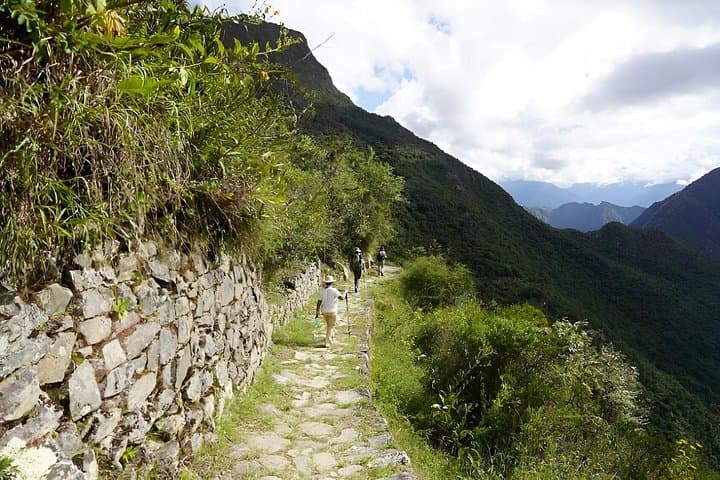
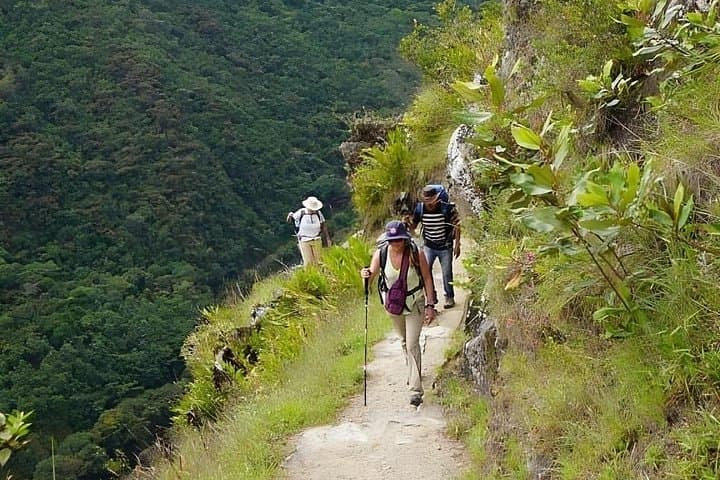
You step off the morning train at KM 104 and the canyon exhales: waterfalls calling you up narrow stone paths, terraces rising like steps carved by patient hands. The route threads between cultivated fields and crumbling Inca masonry, and the air—thin and bright—pulls at your breath as you gain real elevation toward the Sun Gate.
You step off the morning train at KM 104 and the canyon exhales: waterfalls calling you up narrow stone paths, terraces rising like steps carved by patient hands. The route threads between cultivated fields and crumbling Inca masonry, and the air—thin and bright—pulls at your breath as you gain real elevation toward the Sun Gate.
This six-day loop balances pedal power and footwork. Start in Cusco, the colonial city built on Inca foundations, then ride down into the Sacred Valley past salt pans at Maras and the circular agricultural labs at Moray. Historic threads run through the itinerary: Quechua weaving traditions in Chinchero, the living stonework of Ollantaytambo, and the final approach to Machu Picchu—an archeological crown forged by geology and centuries of human ingenuity.
Geologically, the landscape is a collision zone: folded Andes, steep river canyons, and glacially polished ridges. Culturally, local communities maintain weaving, salt-harvesting and small-scale agriculture that shape both scenery and services.
Practically, expect varied terrain—gravel descents, 12 km high‑trail approaches, and one steep 4,900 m day to Rainbow Mountain if you opt in. Altitude management is essential: hydrate, move deliberately, and prioritize rest days. Bring layered clothing for sun, wind and afternoon showers, and plan for early starts to avoid crowds at major sites. Trains and park permits are scheduled; follow the guide’s timing. This trip is equal parts cultural immersion and sustained outdoor effort—rewarding for riders and hikers who want a condensed, well-supported Andes experience.