THE ADVENTURE COLLECTIVE® · Independent discovery and booking for outdoor travel

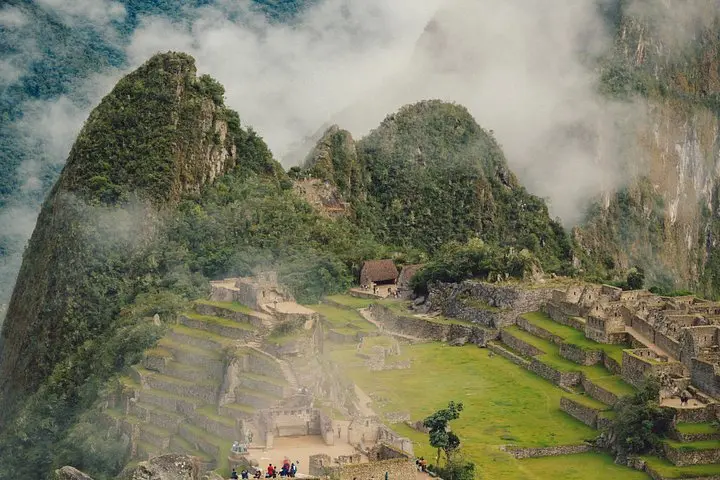
Drive the winding Sacred Valley, hike the riverside rail trail and reach Machu Picchu on foot over two days. This car-plus-hike option combines highland scenery, cloud-forest biodiversity and a pre-dawn climb up Inca steps to the citadel.
Drive the winding Sacred Valley, hike the riverside rail trail and reach Machu Picchu on foot over two days. This car-plus-hike option combines highland scenery, cloud-forest biodiversity and a pre-dawn climb up Inca steps to the citadel.
At dawn the bus slips out of Cusco and the road bends like a script written for the mountains — hairpins peel away the city, revealing terraces, red-clay hills and snow that stares down from the high Andes.
Verified experiences and guided adventures in the surrounding area.
Operated by Ukukus Travel*** · Aguas Calientes (Machu Picchu Pueblo), Cusco
At dawn the bus slips out of Cusco and the road bends like a script written for the mountains — hairpins peel away the city, revealing terraces, red-clay hills and snow that stares down from the high Andes.
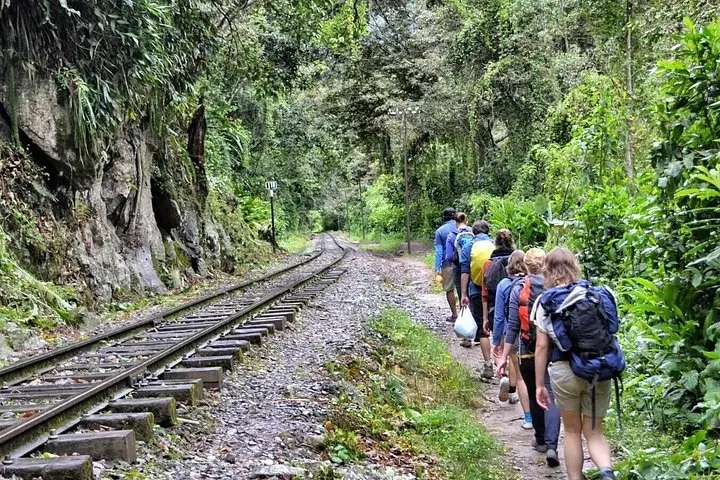
This 2-day route threads highland passes, Subtropical cloud forest and the Vilcanota River, which seems to dare you to follow it. Travelers drive roughly five hours through the Sacred Valley villages—Chinchero, Urubamba and Ollantaytambo—before reaching the hydroelectric station. From there an 11 km mostly-flat hike along the railway beside the river leads into Aguas Calientes (Machu Picchu Pueblo).
History hums beneath your boots: this is the same corridor used by Hiram Bingham in the early 20th century to reconnect the outside world with the Inca citadel. Geologically, the landscape shifts fast — high Andes above 4,000 m give way to steep, forested canyons around 2,000–2,500 m where subtropical humidity supports orchids and hummingbirds. Local Quechua communities still tend terraces and markets in the valley towns, offering cultural context to the ruins above.
Practical notes: expect a physically demanding ascent to Machu Picchu — roughly 1,700 Inca steps and about 1.5 hours from Aguas Calientes to the main entrance when starting pre-dawn. Bring layered, waterproof clothing, a full water supply, sturdy boots and altitude-aware pacing. Reserve Huayna Picchu or Machu Picchu Mountain early if you want the summit hikes, and keep to marked trails to protect fragile archaeological and ecological zones.
Expect a demanding itinerary: a five-hour drive, an 11 km flat rail-trail hike, then a steep 1–1.5 hour ascent (~1,700 Inca steps) to Machu Picchu; good cardiovascular fitness is recommended.
No — these summit hikes require separate tickets that must be reserved in advance and often sell out during peak season (April–October).
Typical inclusions are guided transport, one night accommodation in Aguas Calientes with private bath, meals as listed (breakfast, lunch, dinner), a guide, medical kit and Machu Picchu entry ticket.
This tour is not recommended for people with spinal, cardiovascular conditions or pregnant travelers due to steep steps, altitude and physical demands.
Ukukus Travel*** operates guided outdoor trips and adventures with an emphasis on safety, stewardship, and memorable experiences.
At dawn the bus slips out of Cusco and the road bends like a script written for the mountains — hairpins peel away the city, revealing terraces, red-clay hills and snow that stares down from the high Andes.
At dawn the bus slips out of Cusco and the road bends like a script written for the mountains — hairpins peel away the city, revealing terraces, red-clay hills and snow that stares down from the high Andes.
This 2-day route threads highland passes, Subtropical cloud forest and the Vilcanota River, which seems to dare you to follow it. Travelers drive roughly five hours through the Sacred Valley villages—Chinchero, Urubamba and Ollantaytambo—before reaching the hydroelectric station. From there an 11 km mostly-flat hike along the railway beside the river leads into Aguas Calientes (Machu Picchu Pueblo).
History hums beneath your boots: this is the same corridor used by Hiram Bingham in the early 20th century to reconnect the outside world with the Inca citadel. Geologically, the landscape shifts fast — high Andes above 4,000 m give way to steep, forested canyons around 2,000–2,500 m where subtropical humidity supports orchids and hummingbirds. Local Quechua communities still tend terraces and markets in the valley towns, offering cultural context to the ruins above.
Practical notes: expect a physically demanding ascent to Machu Picchu — roughly 1,700 Inca steps and about 1.5 hours from Aguas Calientes to the main entrance when starting pre-dawn. Bring layered, waterproof clothing, a full water supply, sturdy boots and altitude-aware pacing. Reserve Huayna Picchu or Machu Picchu Mountain early if you want the summit hikes, and keep to marked trails to protect fragile archaeological and ecological zones.