THE ADVENTURE COLLECTIVE® · Independent discovery and booking for outdoor travel

Take the hydroelectric approach to Machu Picchu on a compact two-day route that blends overland travel, a cloud-forest walk and an early visit to the Inca citadel. Expect muddy trails, steep stone steps and small-town hospitality in Aguas Calientes.
Take the hydroelectric approach to Machu Picchu on a compact two-day route that blends overland travel, a cloud-forest walk and an early visit to the Inca citadel. Expect muddy trails, steep stone steps and small-town hospitality in Aguas Calientes.
Morning fog lifts from the Urubamba valley as the minivan threads narrow Andean roads, the river daring you to keep pace below. By midmorning the asphalt gives way to the hydroelectric line: a low-slung route where the train tracks and a walking path run shoulder-to-shoulder toward Aguas Calientes. On this two-day run you trade the high saddle of the Sacred Valley for the green, damp throat of the cloud forest and arrive at Machu Picchu with the light softened by altitude and moss.
Verified experiences and guided adventures in the surrounding area.
Operated by Real Travel Peru · Aguas Calientes, Cusco
Morning fog lifts from the Urubamba valley as the minivan threads narrow Andean roads, the river daring you to keep pace below. By midmorning the asphalt gives way to the hydroelectric line: a low-slung route where the train tracks and a walking path run shoulder-to-shoulder toward Aguas Calientes. On this two-day run you trade the high saddle of the Sacred Valley for the green, damp throat of the cloud forest and arrive at Machu Picchu with the light softened by altitude and moss.
The route follows centuries of movement across Inca terrain; Machu Picchu itself dates to the 15th century and sits on granite carved into ridges and terraces. The hydroelectric approach passes through younger human infrastructure—rail, small settlements and suspension bridges—while the surrounding geology shows steep, river-cut canyons and metamorphic bedrock. Locally, communities in Ollantaytambo and Aguas Calientes retain Quechua culture: markets, coca-leaf traditions and mountain hospitality.
Practical guidance: expect roughly 3 hours of guided walking from the hydroelectric stop to Aguas Calientes and a second-day early ascent to the sanctuary. Moderate fitness is required—steps, uneven stone and muddy sections are common. Bring a quick-dry rain layer, sturdy shoes, and cash for small vendors in Aguas Calientes. Timing matters: dawn visits to Machu Picchu reduce crowds and mist can change rapidly, so allow buffer time for slow sections. Respect park rules: remain on paths, follow your guide’s route and keep noise low in the ruins. This itinerary pairs overland access with a compact overnight in Aguas Calientes—practical, immediate, and rooted in the landscape that made Machu Picchu possible.
Most groups walk along the railroad tracks and an adjacent trail—it's about 9–12 km and takes roughly 3 hours depending on pace and conditions.
Yes, the tour includes entrance to the Machu Picchu sanctuary and an English/Spanish guide in the site.
Yes—there are paid trains from Hydroelectric/Ollantaytambo to Aguas Calientes, but this itinerary emphasizes the overland/hike approach.
Not recommended for those with serious back or cardiovascular issues; moderate fitness is required and the walk includes uneven terrain.
Real Travel Peru operates guided outdoor trips and adventures with an emphasis on safety, stewardship, and memorable experiences.
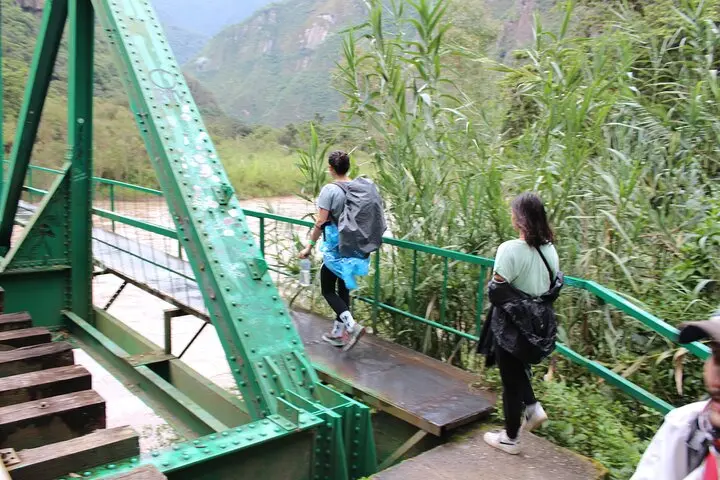
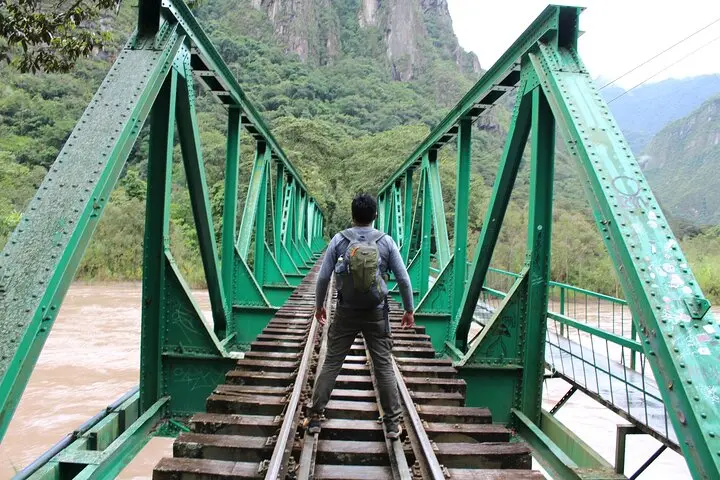

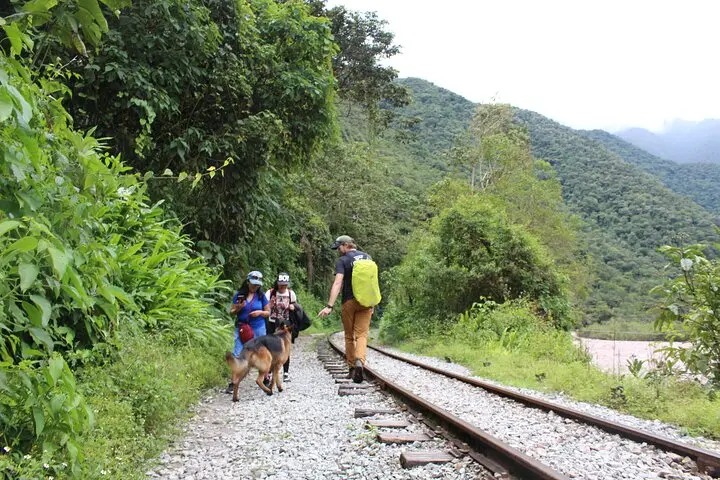
Morning fog lifts from the Urubamba valley as the minivan threads narrow Andean roads, the river daring you to keep pace below. By midmorning the asphalt gives way to the hydroelectric line: a low-slung route where the train tracks and a walking path run shoulder-to-shoulder toward Aguas Calientes. On this two-day run you trade the high saddle of the Sacred Valley for the green, damp throat of the cloud forest and arrive at Machu Picchu with the light softened by altitude and moss.
Morning fog lifts from the Urubamba valley as the minivan threads narrow Andean roads, the river daring you to keep pace below. By midmorning the asphalt gives way to the hydroelectric line: a low-slung route where the train tracks and a walking path run shoulder-to-shoulder toward Aguas Calientes. On this two-day run you trade the high saddle of the Sacred Valley for the green, damp throat of the cloud forest and arrive at Machu Picchu with the light softened by altitude and moss.
The route follows centuries of movement across Inca terrain; Machu Picchu itself dates to the 15th century and sits on granite carved into ridges and terraces. The hydroelectric approach passes through younger human infrastructure—rail, small settlements and suspension bridges—while the surrounding geology shows steep, river-cut canyons and metamorphic bedrock. Locally, communities in Ollantaytambo and Aguas Calientes retain Quechua culture: markets, coca-leaf traditions and mountain hospitality.
Practical guidance: expect roughly 3 hours of guided walking from the hydroelectric stop to Aguas Calientes and a second-day early ascent to the sanctuary. Moderate fitness is required—steps, uneven stone and muddy sections are common. Bring a quick-dry rain layer, sturdy shoes, and cash for small vendors in Aguas Calientes. Timing matters: dawn visits to Machu Picchu reduce crowds and mist can change rapidly, so allow buffer time for slow sections. Respect park rules: remain on paths, follow your guide’s route and keep noise low in the ruins. This itinerary pairs overland access with a compact overnight in Aguas Calientes—practical, immediate, and rooted in the landscape that made Machu Picchu possible.