THE ADVENTURE COLLECTIVE® · Independent discovery and booking for outdoor travel

Experience Machu Picchu from Aguas Calientes on a day expedition that combines ancient Inca architecture, high-Andean views and practical touring logistics. This guide explains what to expect—altitude, terrain, timing—and how to prepare for a memorable visit.
Experience Machu Picchu from Aguas Calientes on a day expedition that combines ancient Inca architecture, high-Andean views and practical touring logistics. This guide explains what to expect—altitude, terrain, timing—and how to prepare for a memorable visit.
You step off a rattling Andean train into damp, cloud-streaked air and the town of Aguas Calientes—steam rising from hot springs, vendors calling softly, and the Urubamba River threading the valley below.
Verified experiences and guided adventures in the surrounding area.
Operated by Opatrip.com Peru · Aguas Calientes, Cusco
You step off a rattling Andean train into damp, cloud-streaked air and the town of Aguas Calientes—steam rising from hot springs, vendors calling softly, and the Urubamba River threading the valley below.
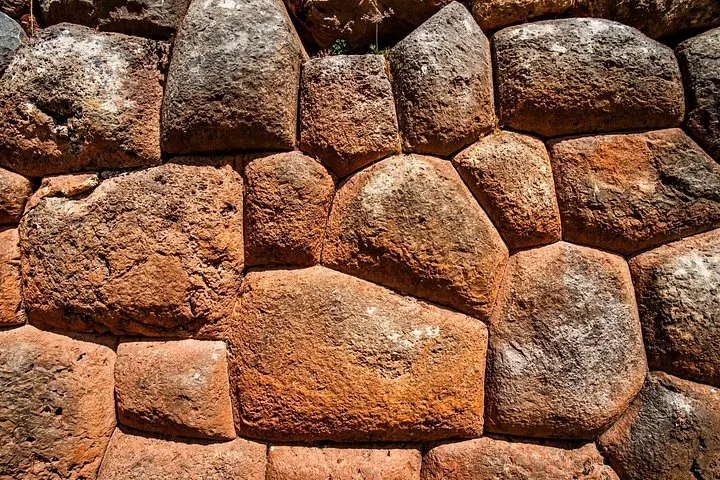
The day unfolds by moving upward: a short bus or guided walk brings you through steep switchbacks to Machu Picchu, perched at roughly 2,430 meters. Stones laid without mortar hold terraces, temples and stairways that still fit together with uncanny precision. Geology here is steep, folded granite and weathered sandstone; the site’s position on a narrow ridge amplified both defense and ritual sightlines for the Inca.
Culturally, the citadel remains an active subject of study and local pride—Quechua-speaking communities in the Sacred Valley maintain a living connection to the landscape. Aguas Calientes offers a softer counterpoint after the ruins: hot baths, simple restaurants, and a busy market for handicrafts.
Practical guidance: arrive early to avoid peak crowds and softer afternoon light, hydrate and pace yourself—altitude affects breathing even on easy walks—and wear grippy shoes for uneven stone. Expect several hours on foot across terraces and narrow paths; stair climbs are frequent and sometimes steep. Carry sun protection and a lightweight rain layer: weather shifts quickly in the cloud forest and can turn sun to drizzle within minutes. Respect on-site rules: stay on marked routes, don’t touch fragile masonry, and book entrance times in advance. End your day with a soak in Aguas Calientes to ease tired legs and reflect on a landscape that still pushes visitors to listen closely.
This full-day expedition lasts about 14 hours and typically includes hotel pickup, roundtrip train, entrance to Machu Picchu, a professional guide, lunch in Aguas Calientes, and return drop-off.
The site involves uneven stone, many steps and some steep sections; the tour is suitable for most fitness levels but requires careful footing and moderate exertion.
Yes — Machu Picchu has timed entry and limited capacity, so book your entrance and train tickets ahead to secure your preferred time slot.
Yes, small shops and local vendors accept Peruvian soles; larger establishments may take cards but bring small bills for markets, tips and transit.
Opatrip.com Peru operates guided outdoor trips and adventures with an emphasis on safety, stewardship, and memorable experiences.

You step off a rattling Andean train into damp, cloud-streaked air and the town of Aguas Calientes—steam rising from hot springs, vendors calling softly, and the Urubamba River threading the valley below.
You step off a rattling Andean train into damp, cloud-streaked air and the town of Aguas Calientes—steam rising from hot springs, vendors calling softly, and the Urubamba River threading the valley below.
The day unfolds by moving upward: a short bus or guided walk brings you through steep switchbacks to Machu Picchu, perched at roughly 2,430 meters. Stones laid without mortar hold terraces, temples and stairways that still fit together with uncanny precision. Geology here is steep, folded granite and weathered sandstone; the site’s position on a narrow ridge amplified both defense and ritual sightlines for the Inca.
Culturally, the citadel remains an active subject of study and local pride—Quechua-speaking communities in the Sacred Valley maintain a living connection to the landscape. Aguas Calientes offers a softer counterpoint after the ruins: hot baths, simple restaurants, and a busy market for handicrafts.
Practical guidance: arrive early to avoid peak crowds and softer afternoon light, hydrate and pace yourself—altitude affects breathing even on easy walks—and wear grippy shoes for uneven stone. Expect several hours on foot across terraces and narrow paths; stair climbs are frequent and sometimes steep. Carry sun protection and a lightweight rain layer: weather shifts quickly in the cloud forest and can turn sun to drizzle within minutes. Respect on-site rules: stay on marked routes, don’t touch fragile masonry, and book entrance times in advance. End your day with a soak in Aguas Calientes to ease tired legs and reflect on a landscape that still pushes visitors to listen closely.