THE ADVENTURE COLLECTIVE® · Independent discovery and booking for outdoor travel

This official Machu Picchu ticket includes timed entry to the citadel plus access to Huayna Picchu or Machu Picchu Mountain. Learn what to expect on the steep stairways, required ID and how to plan for altitude and timing.
This official Machu Picchu ticket includes timed entry to the citadel plus access to Huayna Picchu or Machu Picchu Mountain. Learn what to expect on the steep stairways, required ID and how to plan for altitude and timing.
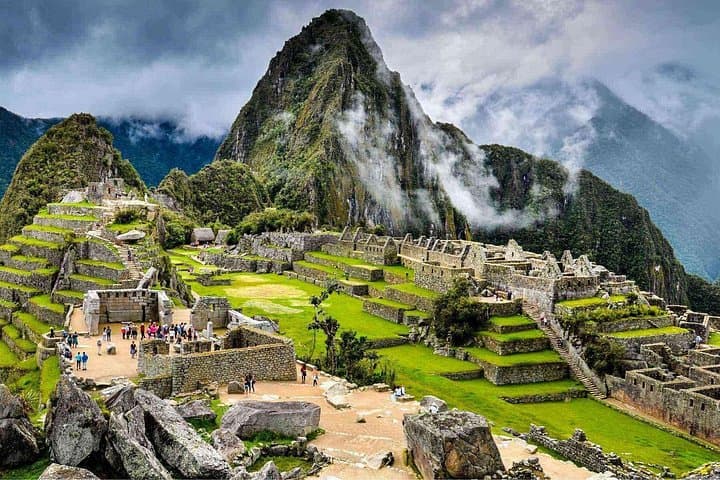
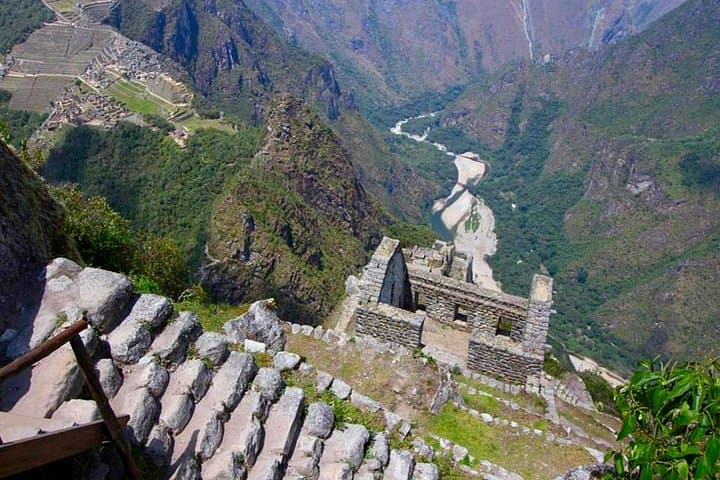
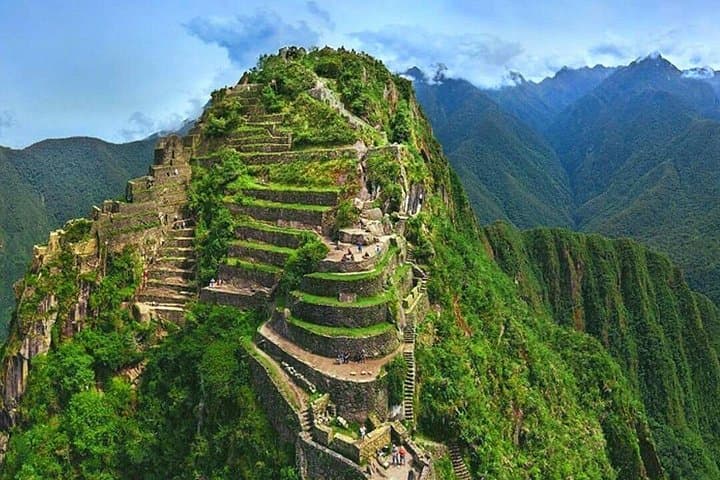
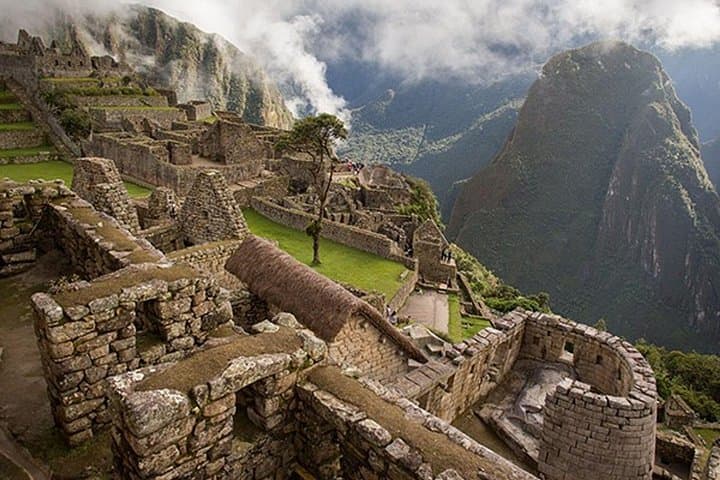
You step through the stone gateway and the ruins inhale around you—terraces folding into jungle, stonework holding a dry, ancient precision. The citadel sits at about 2,430 m (7,970 ft); above it Huayna Picchu juts like a final challenge, and Machu Picchu Mountain rises further still, each peak offering a different line of sight over the Urubamba River below.
Verified experiences and guided adventures in the surrounding area.
Operated by tripscape · Aguas Calientes, Cusco
You step through the stone gateway and the ruins inhale around you—terraces folding into jungle, stonework holding a dry, ancient precision. The citadel sits at about 2,430 m (7,970 ft); above it Huayna Picchu juts like a final challenge, and Machu Picchu Mountain rises further still, each peak offering a different line of sight over the Urubamba River below.
Built by the Incas in the 15th century, Machu Picchu’s plazas, temples and agricultural terraces follow the mountain’s geology: granite bedrock sculpted by glaciers and time. The site’s cultural importance is evident in the Temple of the Sun and the Intihuatana rock—places where astronomy, ritual and engineering meet. Local Quechua communities still hold this landscape as living heritage; yakka-steep trails and the scent of cloud forest make the visit sensory as well as historic.
Practical guidance: this official ticket grants entry to the citadel plus one mountain slot—Huayna Picchu (steep, ~260 m ascent, narrow stone steps, 1–2 hours roundtrip) or Machu Picchu Mountain (longer, ~600–650 m gain, 2–4 hours roundtrip). Trail surfaces alternate packed earth, Inca steps and loose scree; expect exposed sections and handrails on Huayna. Arrive early, carry ID (passport), plenty of water, rain protection and good footwear. Acclimatize in Cusco or Ollantaytambo if possible; altitude and rapid climbs can challenge even fit hikers. Tickets are timed and nonrefundable—book the specific mountain slot you want and plan 4–6 hours on-site to move through ruins, climb, and still enjoy viewpoints without rushing.
No — tickets include entry to Machu Picchu plus admission to one of the two mountains; you must select which mountain when booking.
Plan 1–2 hours roundtrip for Huayna Picchu depending on pace and time spent at the summit viewpoints.
Not recommended—both routes involve steep steps and exposed sections; travelers with serious cardiovascular or spinal issues should avoid climbing.
Tickets are typically nonrefundable and tied to a specific date and mountain slot; review the cancellation policy carefully before purchase.
tripscape operates guided outdoor trips and adventures with an emphasis on safety, stewardship, and memorable experiences.
You step through the stone gateway and the ruins inhale around you—terraces folding into jungle, stonework holding a dry, ancient precision. The citadel sits at about 2,430 m (7,970 ft); above it Huayna Picchu juts like a final challenge, and Machu Picchu Mountain rises further still, each peak offering a different line of sight over the Urubamba River below.
You step through the stone gateway and the ruins inhale around you—terraces folding into jungle, stonework holding a dry, ancient precision. The citadel sits at about 2,430 m (7,970 ft); above it Huayna Picchu juts like a final challenge, and Machu Picchu Mountain rises further still, each peak offering a different line of sight over the Urubamba River below.
Built by the Incas in the 15th century, Machu Picchu’s plazas, temples and agricultural terraces follow the mountain’s geology: granite bedrock sculpted by glaciers and time. The site’s cultural importance is evident in the Temple of the Sun and the Intihuatana rock—places where astronomy, ritual and engineering meet. Local Quechua communities still hold this landscape as living heritage; yakka-steep trails and the scent of cloud forest make the visit sensory as well as historic.
Practical guidance: this official ticket grants entry to the citadel plus one mountain slot—Huayna Picchu (steep, ~260 m ascent, narrow stone steps, 1–2 hours roundtrip) or Machu Picchu Mountain (longer, ~600–650 m gain, 2–4 hours roundtrip). Trail surfaces alternate packed earth, Inca steps and loose scree; expect exposed sections and handrails on Huayna. Arrive early, carry ID (passport), plenty of water, rain protection and good footwear. Acclimatize in Cusco or Ollantaytambo if possible; altitude and rapid climbs can challenge even fit hikers. Tickets are timed and nonrefundable—book the specific mountain slot you want and plan 4–6 hours on-site to move through ruins, climb, and still enjoy viewpoints without rushing.