THE ADVENTURE COLLECTIVE® · Independent discovery and booking for outdoor travel

Ride the Vistadome Observatory train through the Sacred Valley, arrive in Aguas Calientes, and spend an immersive afternoon exploring Machu Picchu with a private guide. This full-day itinerary pairs panoramic rail travel with a focused archaeological tour and convenient transfers.
Ride the Vistadome Observatory train through the Sacred Valley, arrive in Aguas Calientes, and spend an immersive afternoon exploring Machu Picchu with a private guide. This full-day itinerary pairs panoramic rail travel with a focused archaeological tour and convenient transfers.
You step off the Vistadome carriage as light shifts across steep terraces and cloud-draped ridgelines; the Vilcanota River has shadowed the line of the rails, its rapids daring you toward the valley below.
Verified experiences and guided adventures in the surrounding area.
Operated by Minkas Travel · Aguas Calientes (Machu Picchu Pueblo), Cusco Region
You step off the Vistadome carriage as light shifts across steep terraces and cloud-draped ridgelines; the Vilcanota River has shadowed the line of the rails, its rapids daring you toward the valley below.
The journey from Cusco or Ollantaytambo to Aguas Calientes is part transit, part landscape lesson: terraced fields cling to slopes first engineered by the Incas while the eastern flank opens to subtropical cloud forest. Machu Picchu itself sits on a limestone spur carved by tectonics and time, an urban-agricultural complex attributed to Emperor Pachacutec and refined over generations.
Culturally, the site is both archaeological classroom and living shrine — ritual plazas, the Temple of the Sun, and the Intihuatana stone mark astronomical and administrative functions. Local communities around the Sacred Valley maintain Quechua traditions; in Aguas Calientes you’ll find markets and cooks who source maize and coca from nearby farms.
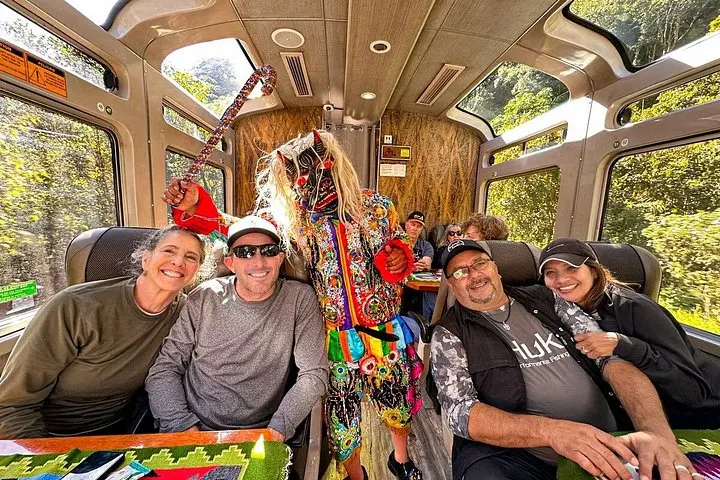
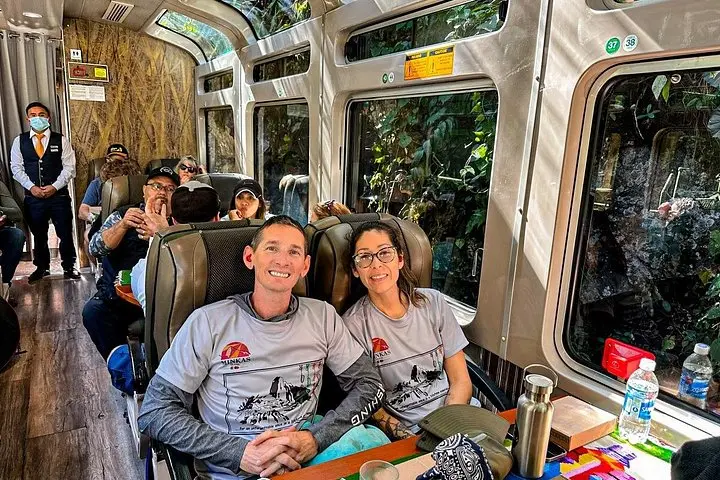
Practically, this is a long, guided day: expect a morning train with panoramic windows, a paced 2–3 hour interpretive walk through Machu Picchu’s main sectors, and a return ride with cultural entertainment. The trail surfaces at the site are uneven stone and steep steps; sneakers or light hikers and a moderate level of mobility are sufficient. Book train and entrance well in advance, bring layered clothing for sun and sudden rain, and hydrate—altitudes range from 2,040 m in Aguas Calientes to viewpoints above 2,400 m. Respect route closures and guide instructions to protect fragile stone and flora.
The trip delivers both cinematic views of the Andes and concrete access: an approachable, high-impact way to experience one of the world’s most studied ancient landscapes.
Yes—altitude can affect anyone; rest in Cusco beforehand, hydrate, avoid alcohol, and consult a doctor for medication like acetazolamide if you have history of severe symptoms.
This tour includes round-trip Vistadome train tickets, bus transfers between Aguas Calientes and Machu Picchu, and entrance to Machu Picchu (specified circuit). Verify your exact circuit on booking confirmation.
The itinerary offers approximately two hours of guided exploration through the main sectors, with additional time for photos and independent wandering within permitted areas.
These hikes require separate, limited permits not always included—book well in advance if you plan to climb either peak.
Minkas Travel operates guided outdoor trips and adventures with an emphasis on safety, stewardship, and memorable experiences.
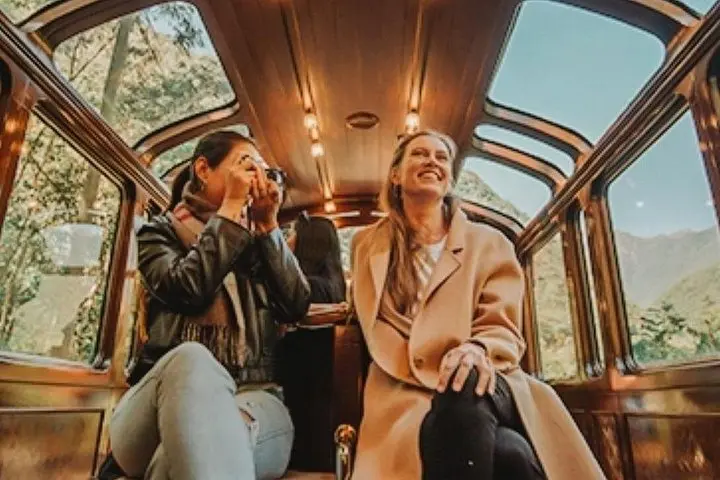
You step off the Vistadome carriage as light shifts across steep terraces and cloud-draped ridgelines; the Vilcanota River has shadowed the line of the rails, its rapids daring you toward the valley below.
You step off the Vistadome carriage as light shifts across steep terraces and cloud-draped ridgelines; the Vilcanota River has shadowed the line of the rails, its rapids daring you toward the valley below.
The journey from Cusco or Ollantaytambo to Aguas Calientes is part transit, part landscape lesson: terraced fields cling to slopes first engineered by the Incas while the eastern flank opens to subtropical cloud forest. Machu Picchu itself sits on a limestone spur carved by tectonics and time, an urban-agricultural complex attributed to Emperor Pachacutec and refined over generations.
Culturally, the site is both archaeological classroom and living shrine — ritual plazas, the Temple of the Sun, and the Intihuatana stone mark astronomical and administrative functions. Local communities around the Sacred Valley maintain Quechua traditions; in Aguas Calientes you’ll find markets and cooks who source maize and coca from nearby farms.
Practically, this is a long, guided day: expect a morning train with panoramic windows, a paced 2–3 hour interpretive walk through Machu Picchu’s main sectors, and a return ride with cultural entertainment. The trail surfaces at the site are uneven stone and steep steps; sneakers or light hikers and a moderate level of mobility are sufficient. Book train and entrance well in advance, bring layered clothing for sun and sudden rain, and hydrate—altitudes range from 2,040 m in Aguas Calientes to viewpoints above 2,400 m. Respect route closures and guide instructions to protect fragile stone and flora.
The trip delivers both cinematic views of the Andes and concrete access: an approachable, high-impact way to experience one of the world’s most studied ancient landscapes.