THE ADVENTURE COLLECTIVE® · Independent discovery and booking for outdoor travel

An all‑in one day from Cusco to Machu Picchu by bus and train: early pickup, a guided 2‑hour walk through the citadel, free exploration time, and an evening return. Expect long travel days, high‑altitude steps, and the option to climb Huayna Picchu with advance reservations.
An all‑in one day from Cusco to Machu Picchu by bus and train: early pickup, a guided 2‑hour walk through the citadel, free exploration time, and an evening return. Expect long travel days, high‑altitude steps, and the option to climb Huayna Picchu with advance reservations.
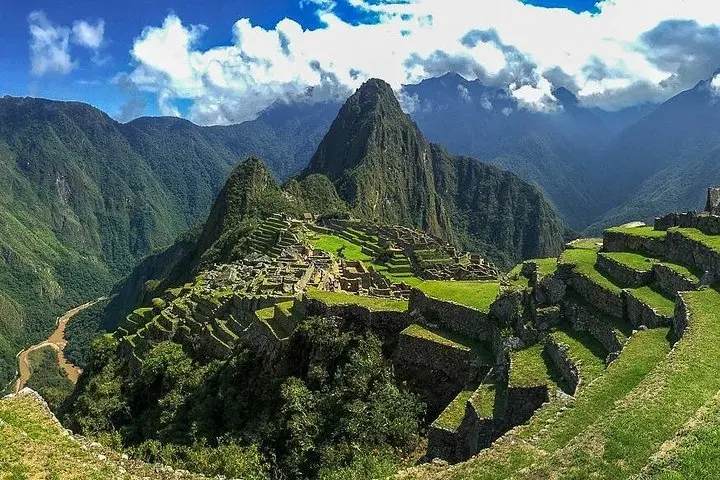
Dawn in Cusco is a thin blue light against stone; your van slips through high‑altitude neighborhoods while the city exhales into the Sacred Valley. By midmorning the Urubamba River has pulled the train through a corridor of steep green slopes, and the bus switchbacks up to Machu Picchu, where terraces and stone walls rise like folded geography into the clouds.
Verified experiences and guided adventures in the surrounding area.
Operated by Quechuas Expeditions · Aguas Calientes, Cusco Region
Dawn in Cusco is a thin blue light against stone; your van slips through high‑altitude neighborhoods while the city exhales into the Sacred Valley. By midmorning the Urubamba River has pulled the train through a corridor of steep green slopes, and the bus switchbacks up to Machu Picchu, where terraces and stone walls rise like folded geography into the clouds.
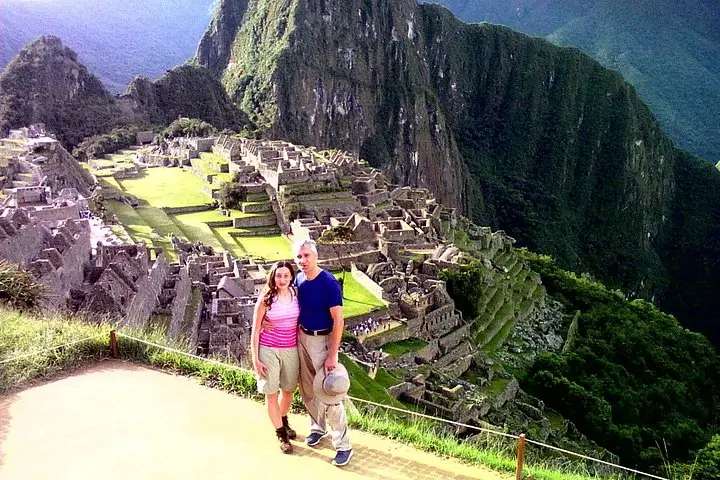
The citadel was built by the Inca in the 15th century and occupies a dramatic ridge above the Urubamba. Geology here is steep, wet, and volcanic—limestone benches and granitic intrusions split by rapid rivers—so the terraces that slow erosion also create the dramatic stepped views you see from the plaza. Culturally, the sanctuary is still a pilgrimage of sorts: Quechua names, oral histories, and traditional weaving persist in nearby towns.
Practicalities matter. This is a long day: early pickup from Cusco (4:00–4:30am), bus to Ollantaytambo, train to Aguas Calientes, bus to the Machu Picchu gate, a 2‑hour guided walkthrough, then free time and a return by train and bus. Elevation at the citadel is about 2,430 m; expect thinner air and steep stone steps. The tour includes entrance and guide; Huayna Picchu or Sun Gate hikes may require separate tickets and prior booking.
Plan layered clothing, a rain shell, sturdy footwear, and a light daypack with water and snacks. Bring your passport for entry, allow time for acclimatization in Cusco, and move deliberately on wet stone. Follow your guide’s route to protect fragile ruins and leave no trace—Machu Picchu is both a dramatic destination and a site that depends on careful visitors to remain that way.
The tour includes approximately a 2‑hour guided walkthrough; after that you have free time to explore independently subject to your entry slot.
Yes—Cusco is at higher elevation than Machu Picchu; spending 24–48 hours in Cusco and hydrating reduces the risk of altitude sickness.
This tour includes the train between Ollantaytambo and Aguas Calientes, the bus up to Machu Picchu, and the standard Machu Picchu entrance fee as described in the itinerary.
Possibly—Huayna Picchu requires a separate, limited ticket and an earlier or specific timed entry; book in advance if you plan to climb.
Quechuas Expeditions operates guided outdoor trips and adventures with an emphasis on safety, stewardship, and memorable experiences.
Dawn in Cusco is a thin blue light against stone; your van slips through high‑altitude neighborhoods while the city exhales into the Sacred Valley. By midmorning the Urubamba River has pulled the train through a corridor of steep green slopes, and the bus switchbacks up to Machu Picchu, where terraces and stone walls rise like folded geography into the clouds.
Dawn in Cusco is a thin blue light against stone; your van slips through high‑altitude neighborhoods while the city exhales into the Sacred Valley. By midmorning the Urubamba River has pulled the train through a corridor of steep green slopes, and the bus switchbacks up to Machu Picchu, where terraces and stone walls rise like folded geography into the clouds.
The citadel was built by the Inca in the 15th century and occupies a dramatic ridge above the Urubamba. Geology here is steep, wet, and volcanic—limestone benches and granitic intrusions split by rapid rivers—so the terraces that slow erosion also create the dramatic stepped views you see from the plaza. Culturally, the sanctuary is still a pilgrimage of sorts: Quechua names, oral histories, and traditional weaving persist in nearby towns.
Practicalities matter. This is a long day: early pickup from Cusco (4:00–4:30am), bus to Ollantaytambo, train to Aguas Calientes, bus to the Machu Picchu gate, a 2‑hour guided walkthrough, then free time and a return by train and bus. Elevation at the citadel is about 2,430 m; expect thinner air and steep stone steps. The tour includes entrance and guide; Huayna Picchu or Sun Gate hikes may require separate tickets and prior booking.
Plan layered clothing, a rain shell, sturdy footwear, and a light daypack with water and snacks. Bring your passport for entry, allow time for acclimatization in Cusco, and move deliberately on wet stone. Follow your guide’s route to protect fragile ruins and leave no trace—Machu Picchu is both a dramatic destination and a site that depends on careful visitors to remain that way.