THE ADVENTURE COLLECTIVE® · Independent discovery and booking for outdoor travel

See Machu Picchu on a budget-friendly two‑day route that uses the Hydroelectric bus and an overnight in Aguas Calientes. Expect high‑altitude roads, a 3‑hour rail‑side walk, and a pre‑dawn ascent to the citadel for sunrise.
See Machu Picchu on a budget-friendly two‑day route that uses the Hydroelectric bus and an overnight in Aguas Calientes. Expect high‑altitude roads, a 3‑hour rail‑side walk, and a pre‑dawn ascent to the citadel for sunrise.
Dawn finds you on a narrow trail beside the Urubamba, the air thin and bright as the bus drops you at Hydroelectric. The first day is movement—highland roads, a short stop at Ollantaytambo, a photo pause at Abra Málaga to stare at Veronica’s snow, then a three‑hour walk along the railway into Aguas Calientes. That evening the town hums with anticipation; hot springs steam and guides double‑check morning plans.
Verified experiences and guided adventures in the surrounding area.
Operated by Conde Travel · Aguas Calientes, Cusco
Dawn finds you on a narrow trail beside the Urubamba, the air thin and bright as the bus drops you at Hydroelectric. The first day is movement—highland roads, a short stop at Ollantaytambo, a photo pause at Abra Málaga to stare at Veronica’s snow, then a three‑hour walk along the railway into Aguas Calientes. That evening the town hums with anticipation; hot springs steam and guides double‑check morning plans.
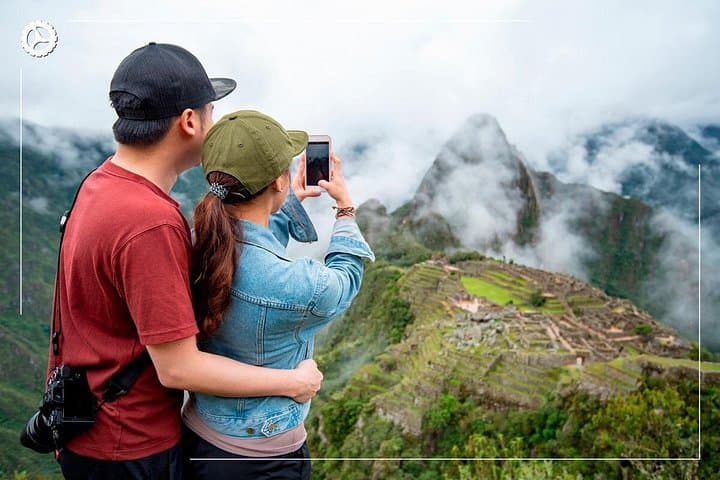
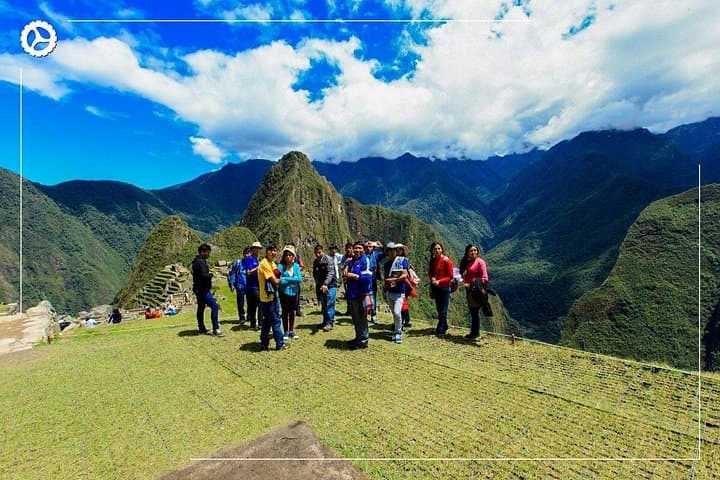
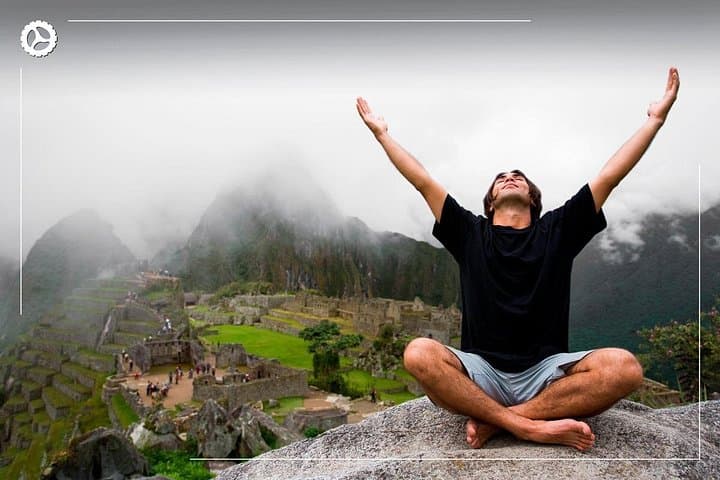
Machu Picchu sits on a granite spine carved by tectonics and glacial sculpting; the site’s terraces and trapezoidal walls are as much engineering as ceremony. Built by the Inca in the 15th century, the citadel’s plazas and temples align with mountain ridgelines and solar events. A local guide will translate these layers—history, geology and Quechua culture—into a two‑hour circuit that touches the main sectors and the Intihuatana stone.
Practically: expect a pre‑dawn hike from Aguas Calientes up to the citadel (roughly 1–1.5 hours, steep in places), a guided walk of about two hours on site, and mid‑afternoon return to Hydroelectric for the bus back to Cusco. Altitude matters—Cusco and Abra Málaga are high; hydrate and move slowly the first day. Footwear should be grippy for wet stone and uneven steps, and layers are essential for rapid temperature swings. If you want sunrise in the citadel, be prepared to start very early.
This itinerary balances accessibility with immersion: one overnight keeps costs and logistics lower while still delivering the essential Machu Picchu experience.
Yes—this tour includes your Machu Picchu Citadel entrance ticket as part of the package.
The walk is moderate—about three hours along packed earth and rail corridors with some uneven sections; pace yourself and bring snacks.
Yes—bring the same passport you used when booking, as it’s required to enter Machu Picchu.
Yes—this itinerary includes lunch on day one, plus dinner and breakfast during your Aguas Calientes overnight.
Conde Travel operates guided outdoor trips and adventures with an emphasis on safety, stewardship, and memorable experiences.
Dawn finds you on a narrow trail beside the Urubamba, the air thin and bright as the bus drops you at Hydroelectric. The first day is movement—highland roads, a short stop at Ollantaytambo, a photo pause at Abra Málaga to stare at Veronica’s snow, then a three‑hour walk along the railway into Aguas Calientes. That evening the town hums with anticipation; hot springs steam and guides double‑check morning plans.
Dawn finds you on a narrow trail beside the Urubamba, the air thin and bright as the bus drops you at Hydroelectric. The first day is movement—highland roads, a short stop at Ollantaytambo, a photo pause at Abra Málaga to stare at Veronica’s snow, then a three‑hour walk along the railway into Aguas Calientes. That evening the town hums with anticipation; hot springs steam and guides double‑check morning plans.
Machu Picchu sits on a granite spine carved by tectonics and glacial sculpting; the site’s terraces and trapezoidal walls are as much engineering as ceremony. Built by the Inca in the 15th century, the citadel’s plazas and temples align with mountain ridgelines and solar events. A local guide will translate these layers—history, geology and Quechua culture—into a two‑hour circuit that touches the main sectors and the Intihuatana stone.
Practically: expect a pre‑dawn hike from Aguas Calientes up to the citadel (roughly 1–1.5 hours, steep in places), a guided walk of about two hours on site, and mid‑afternoon return to Hydroelectric for the bus back to Cusco. Altitude matters—Cusco and Abra Málaga are high; hydrate and move slowly the first day. Footwear should be grippy for wet stone and uneven steps, and layers are essential for rapid temperature swings. If you want sunrise in the citadel, be prepared to start very early.
This itinerary balances accessibility with immersion: one overnight keeps costs and logistics lower while still delivering the essential Machu Picchu experience.