THE ADVENTURE COLLECTIVE® · Independent discovery and booking for outdoor travel

Climb to the summit of Machu Picchu Mountain for rare 360° panoramas of the citadel and the Sacred Valley. This official entrance ticket grants access to the upper terraces and the mountain trail—plan for steep stone steps, high-altitude exertion, and timed entry.
Climb to the summit of Machu Picchu Mountain for rare 360° panoramas of the citadel and the Sacred Valley. This official entrance ticket grants access to the upper terraces and the mountain trail—plan for steep stone steps, high-altitude exertion, and timed entry.
Fog lifts off the Urubamba as visitors step onto the upper terraces and face the steep switchbacks that climb Machu Picchu Mountain.
Verified experiences and guided adventures in the surrounding area.
Operated by Cusco Trips · Aguas Calientes, Cusco
Fog lifts off the Urubamba as visitors step onto the upper terraces and face the steep switchbacks that climb Machu Picchu Mountain.
The approach passes carved stonework and agricultural terraces first shaped by the Incas in the 15th century; each step carries the compacted history of a civilization that engineered paths through granite and cloud. Geologically, the sanctuary sits on steep Andean ridges carved by the Vilcanota River, and the trail rewards effort with sweeping 360° views of the citadel, the Sacred Valley, and serrated peaks.
Locally, Aguas Calientes (Machu Picchu Pueblo) serves as the staging point — a small town built around railway tourism with cafés, thermal baths, and porters who still move supplies by hand. Culture here is a mix of Quechua heritage and modern tourism infrastructure; respectful behavior and quiet observation are expected inside the sanctuary.
Practically, the climb to Machu Picchu Mountain takes roughly 1.5–2 hours uphill (3–4 hours round trip) and is ticketed separately from the general site circuit; Circuit 1 on the upper terraces adds another vantage and photographic opportunity. Trail surfaces are stone steps and narrow sections; altitude (around 2,400–3,080 m across the route) amplifies exertion.
Plan for early entry to avoid mid-day crowds, carry layered clothing and water, and acclimatize in Cusco or the Sacred Valley for 1–2 days. Tickets are limited and timed—carry your passport and mobile ticket. Above all, stay on marked trails, leave no trace, and allow time at the summit to breathe in the view and the scale of the Andes.
Expect 1.5–2 hours uphill and 3–4 hours round trip depending on pace; factor additional time for Circuit 1 views and site navigation.
Tickets are limited and timed; the site notes it's not recommended for travelers with serious heart or spinal conditions and infants should sit on laps.
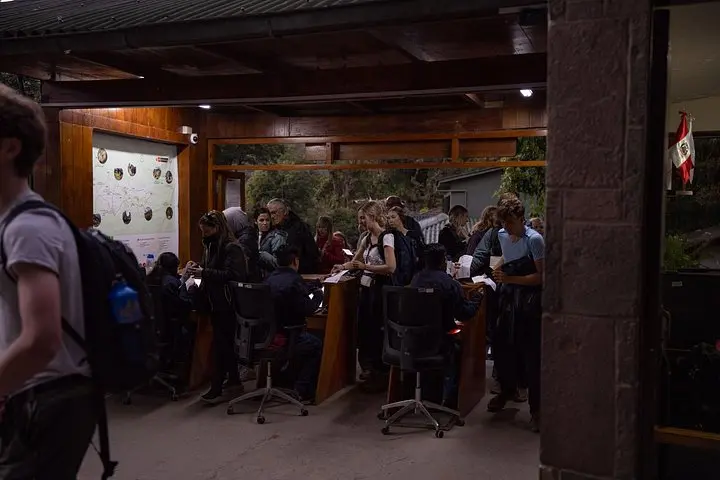
You must present a passport and the mobile or paper ticket at entry—ensure names and passport numbers match booking details.
Symptoms can appear quickly; acclimatize in Cusco or the Sacred Valley, hydrate, ascend slowly, and descend if symptoms worsen.
Cusco Trips operates guided outdoor trips and adventures with an emphasis on safety, stewardship, and memorable experiences.
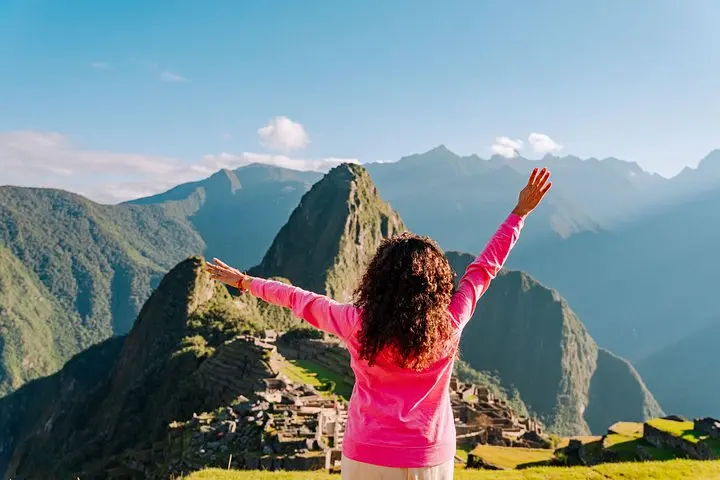
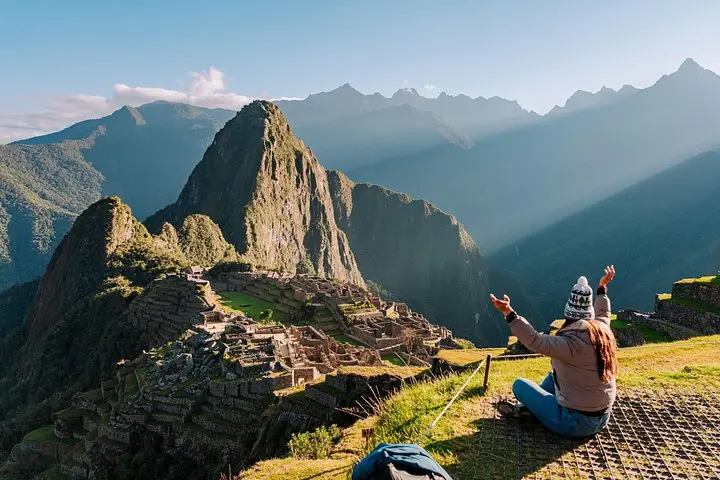
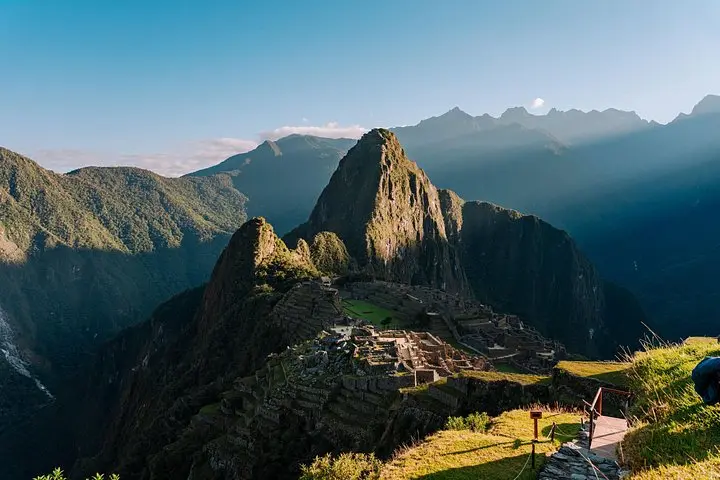
Fog lifts off the Urubamba as visitors step onto the upper terraces and face the steep switchbacks that climb Machu Picchu Mountain.
Fog lifts off the Urubamba as visitors step onto the upper terraces and face the steep switchbacks that climb Machu Picchu Mountain.
The approach passes carved stonework and agricultural terraces first shaped by the Incas in the 15th century; each step carries the compacted history of a civilization that engineered paths through granite and cloud. Geologically, the sanctuary sits on steep Andean ridges carved by the Vilcanota River, and the trail rewards effort with sweeping 360° views of the citadel, the Sacred Valley, and serrated peaks.
Locally, Aguas Calientes (Machu Picchu Pueblo) serves as the staging point — a small town built around railway tourism with cafés, thermal baths, and porters who still move supplies by hand. Culture here is a mix of Quechua heritage and modern tourism infrastructure; respectful behavior and quiet observation are expected inside the sanctuary.
Practically, the climb to Machu Picchu Mountain takes roughly 1.5–2 hours uphill (3–4 hours round trip) and is ticketed separately from the general site circuit; Circuit 1 on the upper terraces adds another vantage and photographic opportunity. Trail surfaces are stone steps and narrow sections; altitude (around 2,400–3,080 m across the route) amplifies exertion.
Plan for early entry to avoid mid-day crowds, carry layered clothing and water, and acclimatize in Cusco or the Sacred Valley for 1–2 days. Tickets are limited and timed—carry your passport and mobile ticket. Above all, stay on marked trails, leave no trace, and allow time at the summit to breathe in the view and the scale of the Andes.