THE ADVENTURE COLLECTIVE® · Independent discovery and booking for outdoor travel

Two days across the Sacred Valley and Machu Picchu combine towering terraces, living Quechua culture and a train ride through a deep canyon. This private tour pairs archaeological highlights with local textile centers for a compact, accessible introduction to the Inca highlands.
Two days across the Sacred Valley and Machu Picchu combine towering terraces, living Quechua culture and a train ride through a deep canyon. This private tour pairs archaeological highlights with local textile centers for a compact, accessible introduction to the Inca highlands.
You arrive in the highlands before sunrise, the air thin and sharp; terraces step down the valley like stone stairs cut for giants, and the Urubamba River dares you to look away as it threads the floor below.
Verified experiences and guided adventures in the surrounding area.
Operated by Machu Picchu Experiences · Cusco, Cusco Region
You arrive in the highlands before sunrise, the air thin and sharp; terraces step down the valley like stone stairs cut for giants, and the Urubamba River dares you to look away as it threads the floor below.
Day one moves through Pisac's hilltop ruins, Ollantaytambo's fortress-like terraces and the textile markets of Chinchero. The route traces Inca lines across volcanic and sedimentary soils shaped by glaciation and river incision — the very geology that made terrace agriculture possible. Culture sits close: Quechua-speaking vendors dye wool with cochineal and indigo, while colonial churches overlay Inca stonework, a reminder of layered histories.
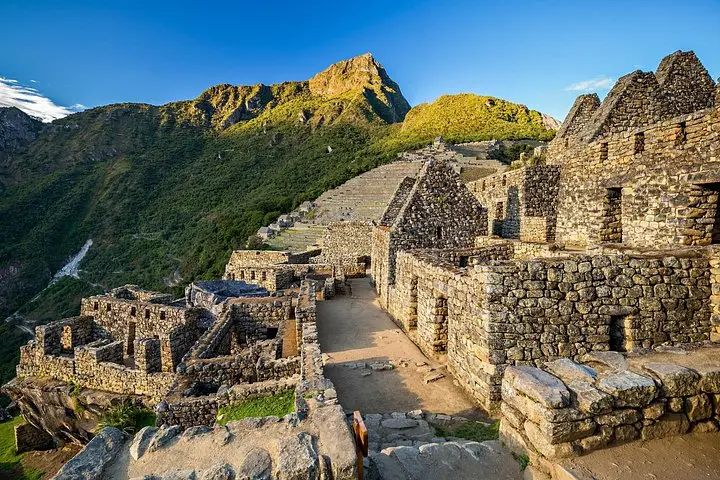
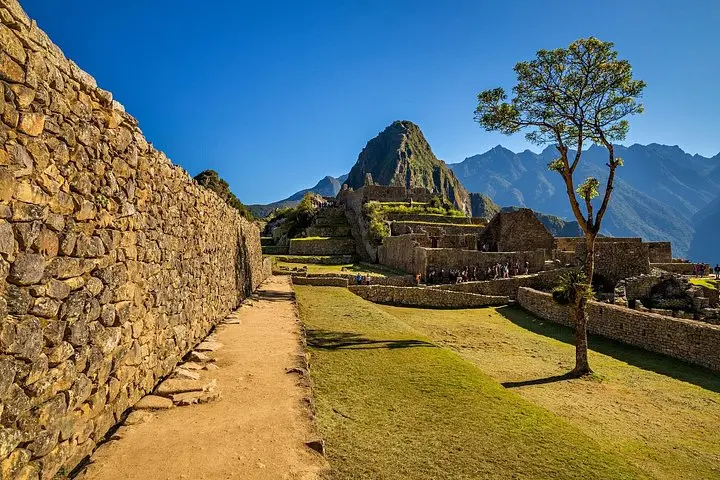
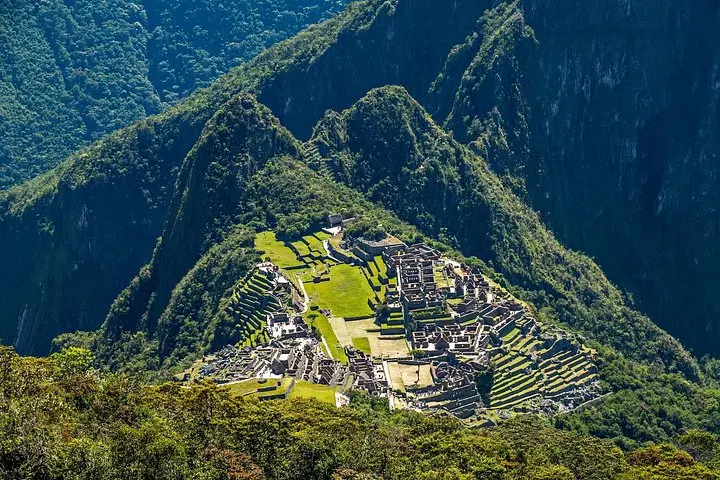
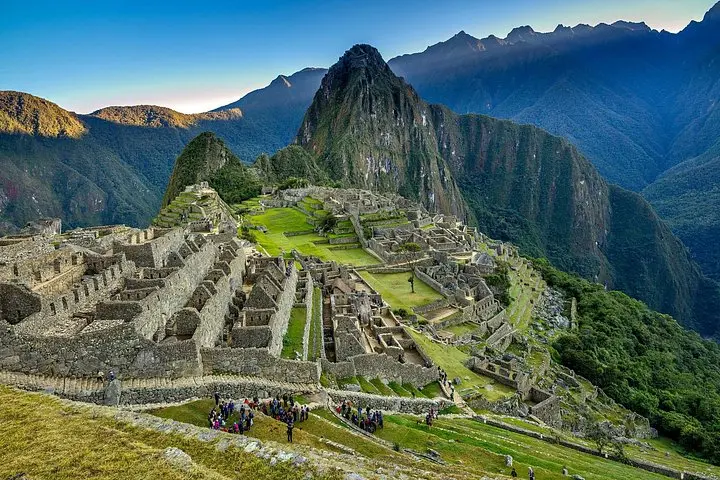
On day two a scenic tourist train winds down the canyon into Aguas Calientes and then up to Machu Picchu. The citadel's finely cut blocks, urban planning and agricultural zones reveal why it was a highland administrative and ceremonial center in the 15th century. Peaks and cloud forest press in; orchids and orchids’ pollinators animate the slopes.
Practical guidance: expect walking on uneven stone, short steep sections and altitude near 3,400–3,600 m (11,150–11,800 ft). Bring layers for temperature swings, a rain shell for sudden cloud-forest storms and time your visit early to avoid crowds at the main viewpoints. Your private guide manages ticket logistics, but carry water, sun protection and extra cash for markets. Move deliberately, hydrate, and let the place reveal itself between steps.
The tour is moderate: most walking is on uneven stone and terraces, with short steep sections; total active walking across two days is manageable for those used to hiking a few hours at a time.
Yes — Machu Picchu tickets, round-trip train tickets and bus transfers to the ruins are included as stated in the itinerary.
Yes — Chinchero and market stops include textile centers; bring local currency for purchases and bargaining.
Altitude can affect anyone; drink water, avoid heavy meals and consider resting a day in Cusco or the Sacred Valley before the tour; guides carry oxygen and first-aid kits if needed.
Machu Picchu Experiences operates guided outdoor trips and adventures with an emphasis on safety, stewardship, and memorable experiences.
You arrive in the highlands before sunrise, the air thin and sharp; terraces step down the valley like stone stairs cut for giants, and the Urubamba River dares you to look away as it threads the floor below.
You arrive in the highlands before sunrise, the air thin and sharp; terraces step down the valley like stone stairs cut for giants, and the Urubamba River dares you to look away as it threads the floor below.
Day one moves through Pisac's hilltop ruins, Ollantaytambo's fortress-like terraces and the textile markets of Chinchero. The route traces Inca lines across volcanic and sedimentary soils shaped by glaciation and river incision — the very geology that made terrace agriculture possible. Culture sits close: Quechua-speaking vendors dye wool with cochineal and indigo, while colonial churches overlay Inca stonework, a reminder of layered histories.
On day two a scenic tourist train winds down the canyon into Aguas Calientes and then up to Machu Picchu. The citadel's finely cut blocks, urban planning and agricultural zones reveal why it was a highland administrative and ceremonial center in the 15th century. Peaks and cloud forest press in; orchids and orchids’ pollinators animate the slopes.
Practical guidance: expect walking on uneven stone, short steep sections and altitude near 3,400–3,600 m (11,150–11,800 ft). Bring layers for temperature swings, a rain shell for sudden cloud-forest storms and time your visit early to avoid crowds at the main viewpoints. Your private guide manages ticket logistics, but carry water, sun protection and extra cash for markets. Move deliberately, hydrate, and let the place reveal itself between steps.