THE ADVENTURE COLLECTIVE® · Independent discovery and booking for outdoor travel

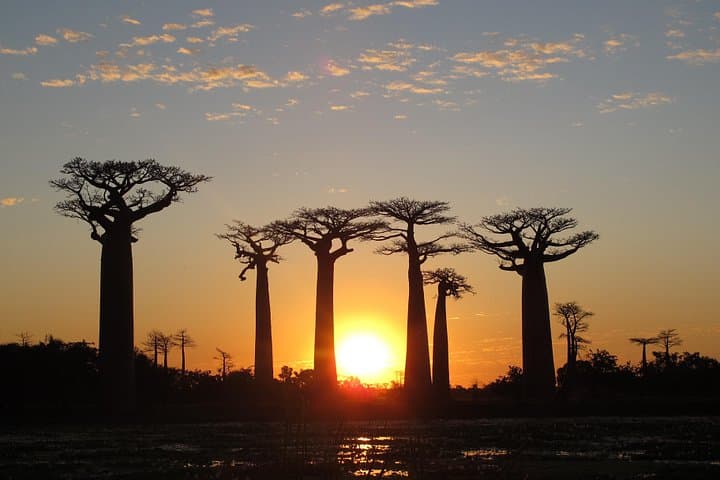
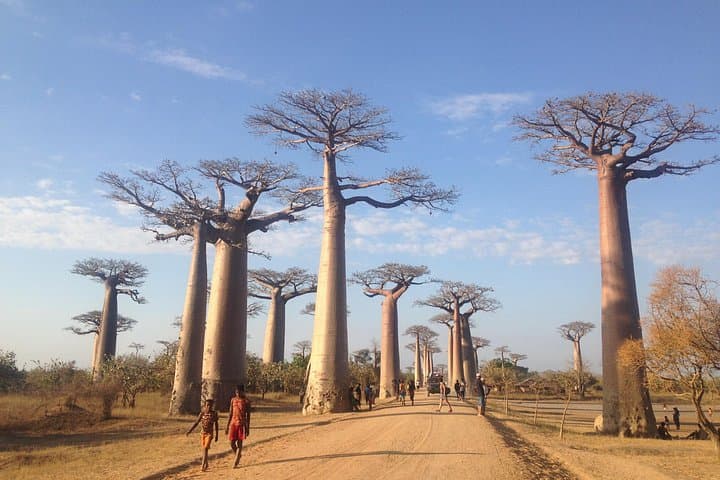
Traverse Madagascar from the singing indri in eastern rainforests to sunset at Baobab Avenue on the west coast. This seven‑day loop combines guided wildlife walks, mangrove boat trips, and cultural stops between Antananarivo and Morondava.
Traverse Madagascar from the singing indri in eastern rainforests to sunset at Baobab Avenue on the west coast. This seven‑day loop combines guided wildlife walks, mangrove boat trips, and cultural stops between Antananarivo and Morondava.
A damp morning in the rainforest feels alive: leaves drip like a slow drum, the air is thick with soil and distant calls. On this seven‑day loop from Antananarivo, travelers move from humid eastern forests where the indri’s song fills the canopy to the wide, wind‑blown plains of western Morondava where ancient baobabs silhouette the horizon.
Verified experiences and guided adventures in the surrounding area.
Operated by Fosa Travel · Antananarivo, Analamanga
A damp morning in the rainforest feels alive: leaves drip like a slow drum, the air is thick with soil and distant calls. On this seven‑day loop from Antananarivo, travelers move from humid eastern forests where the indri’s song fills the canopy to the wide, wind‑blown plains of western Morondava where ancient baobabs silhouette the horizon.
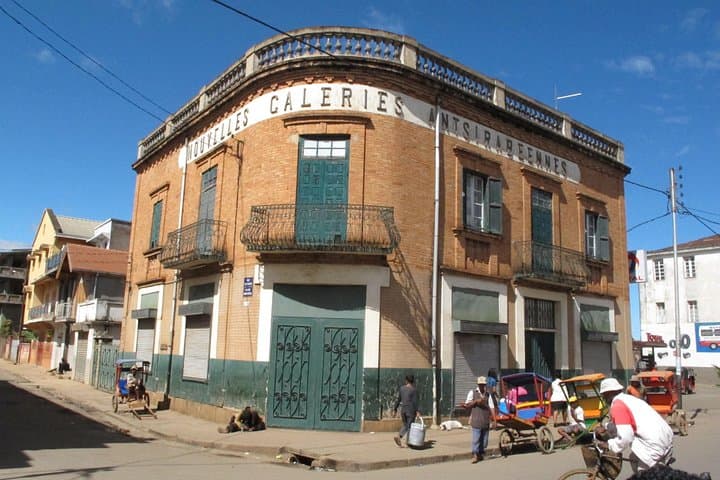
The route crosses Madagascar’s geological spine — highland plateaus of red laterite, eroded sandstone, and coastal mangrove deltas sculpted by tides. Culturally, you’ll pass highland market towns with colonial architecture and roadside artisans in Ambatolampy known for hand‑worked aluminiumware; coastal villages still tied to river and sea rhythms. Naturalists point out that Madagascar’s long isolation produced lemurs and chameleons found nowhere else; the tour’s protected reserves were established in the 20th century to conserve those endemic species.
Expect guided forest walks at dawn and short boat excursions through mangroves, with close encounters at Vakona’s private reserve and Lemur Island. Trails are mostly gentle but can be slippery after rain; evening walks reveal nocturnal mouse‑lemurs and frogs. Practical notes: bring insect repellent, a lightweight rain layer, and cash for village purchases. Accommodation ranges from lodge to modest hotels, and travel between regions is by air‑conditioned coach. Hydrate in the heat, limit flash photography around nesting sites, and allow extra time for road sections — Madagascar’s roads are part of the adventure. For visitors who want wildlife, landscape variety, and cultural stops without rushing, this itinerary delivers concentrated, accessible exposure to the island’s signature species and seascapes.
Expect multiple lemur species (indri, bamboo lemurs, ruffed and common brown lemurs), chameleons, frogs, and a variety of endemic birds during guided reserve visits.
Walks are generally short to moderate (30–120 minutes) on forest trails; some night walks are uneven but accessible to those with normal mobility.
Consult your doctor before travel; malaria risk exists in parts of Madagascar, so prophylaxis and routine vaccinations are commonly recommended.
Breakfasts are included; operators can often accommodate dietary requests if informed at booking—note restrictions during remote stops where options are limited.
Fosa Travel operates guided outdoor trips and adventures with an emphasis on safety, stewardship, and memorable experiences.

A damp morning in the rainforest feels alive: leaves drip like a slow drum, the air is thick with soil and distant calls. On this seven‑day loop from Antananarivo, travelers move from humid eastern forests where the indri’s song fills the canopy to the wide, wind‑blown plains of western Morondava where ancient baobabs silhouette the horizon.
A damp morning in the rainforest feels alive: leaves drip like a slow drum, the air is thick with soil and distant calls. On this seven‑day loop from Antananarivo, travelers move from humid eastern forests where the indri’s song fills the canopy to the wide, wind‑blown plains of western Morondava where ancient baobabs silhouette the horizon.
The route crosses Madagascar’s geological spine — highland plateaus of red laterite, eroded sandstone, and coastal mangrove deltas sculpted by tides. Culturally, you’ll pass highland market towns with colonial architecture and roadside artisans in Ambatolampy known for hand‑worked aluminiumware; coastal villages still tied to river and sea rhythms. Naturalists point out that Madagascar’s long isolation produced lemurs and chameleons found nowhere else; the tour’s protected reserves were established in the 20th century to conserve those endemic species.
Expect guided forest walks at dawn and short boat excursions through mangroves, with close encounters at Vakona’s private reserve and Lemur Island. Trails are mostly gentle but can be slippery after rain; evening walks reveal nocturnal mouse‑lemurs and frogs. Practical notes: bring insect repellent, a lightweight rain layer, and cash for village purchases. Accommodation ranges from lodge to modest hotels, and travel between regions is by air‑conditioned coach. Hydrate in the heat, limit flash photography around nesting sites, and allow extra time for road sections — Madagascar’s roads are part of the adventure. For visitors who want wildlife, landscape variety, and cultural stops without rushing, this itinerary delivers concentrated, accessible exposure to the island’s signature species and seascapes.