THE ADVENTURE COLLECTIVE® · Independent discovery and booking for outdoor travel

Walk Puerto Escondido’s market lanes with a local guide to sample Oaxacan staples — quesillo, moles, and ancient beverages — where residents actually eat. This 3–4 hour tour blends market stops, small restaurants, and cultural context for a compact taste of Oaxaca.
Walk Puerto Escondido’s market lanes with a local guide to sample Oaxacan staples — quesillo, moles, and ancient beverages — where residents actually eat. This 3–4 hour tour blends market stops, small restaurants, and cultural context for a compact taste of Oaxaca.
You arrive to the market as vendors lift tarps and the first coffee brews, the smell of toasted maize and chiles rolling down a narrow lane toward the sea. The street hums — gridded stalls, a barber cutting hair, a woman stretching quesillo into long ribbons — and the ocean's roar is a distant counterpoint, daring you to swap surf for flavor.
Verified experiences and guided adventures in the surrounding area.
Operated by Puerto Food Tours · Puerto Escondido, Oaxaca
You arrive to the market as vendors lift tarps and the first coffee brews, the smell of toasted maize and chiles rolling down a narrow lane toward the sea. The street hums — gridded stalls, a barber cutting hair, a woman stretching quesillo into long ribbons — and the ocean's roar is a distant counterpoint, daring you to swap surf for flavor.
This walk traces Oaxaca's layered food history: indigenous Zapotec and Mixtec staples (maize, beans, squash) meet Spanish-introduced livestock and seasonings to form the region's signature dishes — mole, tlayudas, and the stringy Oaxacan cheese known locally as quesillo. Puerto Escondido sits where the Sierra Madre del Sur meets the Pacific; volcanic soils inland and coastal fish markets shape what’s on the plate here.
Culturally, the market is civic theater: bargaining and sampling are both etiquette and pleasure. Local vendors open early; many recipes have been passed down across generations and are served where locals actually eat, not the beachfront tourist spots.
Practical guidance: expect a mostly flat, 3–4 hour walking loop through uneven market aisles and short street crossings. Bring cash for street stalls (small bills), carry a reusable water bottle, and flag dietary restrictions to the guide — Oaxaca's cuisine is rich in pork, dairy, chiles, and corn-based dishes. Midday sun can be strong; plan the tour for morning or late afternoon to avoid the hottest hours and to catch fresher market offerings.
This is a hands-on, social tasting that favors curiosity, light footwear, and an appetite for contrasts — smoky, citrus-bright, and deeply local.
Most tours meet near the main market area in central Puerto Escondido; public buses and taxis can reach this neighborhood easily—your voucher notes the exact meeting point.
Guides can adapt tastings for common allergies if informed in advance, but many dishes contain pork, dairy, or seafood so strict dietary needs should be reported at booking.
The route is mostly flat but involves narrow, crowded aisles and standing for tastings; it's family-friendly but not ideal for travelers with severe mobility or spinal issues.
Full refunds are available if you cancel at least 24 hours before departure; tours may be canceled for bad weather or insufficient participants.
Puerto Food Tours operates guided outdoor trips and adventures with an emphasis on safety, stewardship, and memorable experiences.
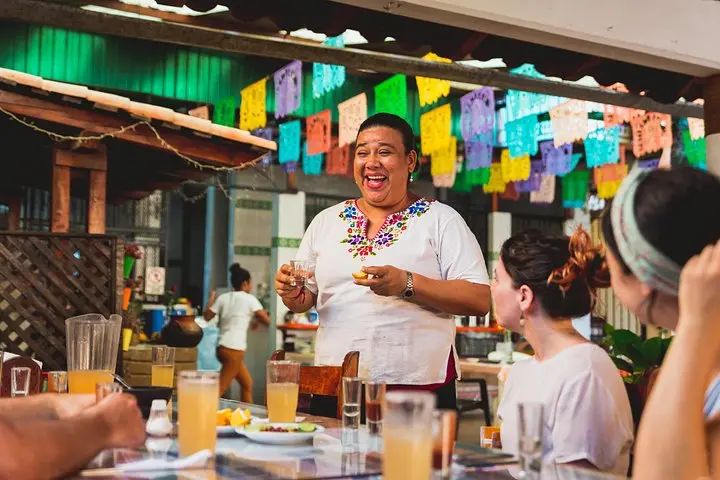
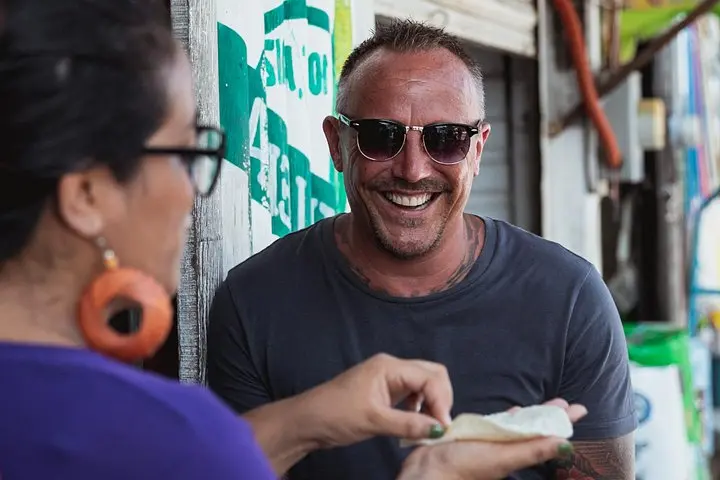
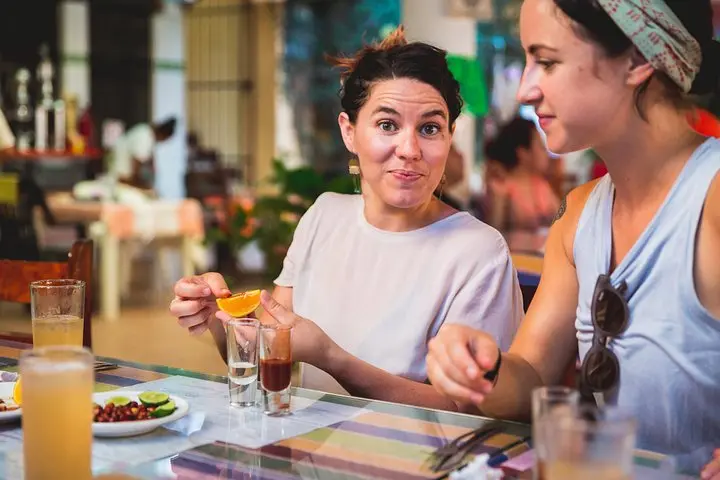

You arrive to the market as vendors lift tarps and the first coffee brews, the smell of toasted maize and chiles rolling down a narrow lane toward the sea. The street hums — gridded stalls, a barber cutting hair, a woman stretching quesillo into long ribbons — and the ocean's roar is a distant counterpoint, daring you to swap surf for flavor.
You arrive to the market as vendors lift tarps and the first coffee brews, the smell of toasted maize and chiles rolling down a narrow lane toward the sea. The street hums — gridded stalls, a barber cutting hair, a woman stretching quesillo into long ribbons — and the ocean's roar is a distant counterpoint, daring you to swap surf for flavor.
This walk traces Oaxaca's layered food history: indigenous Zapotec and Mixtec staples (maize, beans, squash) meet Spanish-introduced livestock and seasonings to form the region's signature dishes — mole, tlayudas, and the stringy Oaxacan cheese known locally as quesillo. Puerto Escondido sits where the Sierra Madre del Sur meets the Pacific; volcanic soils inland and coastal fish markets shape what’s on the plate here.
Culturally, the market is civic theater: bargaining and sampling are both etiquette and pleasure. Local vendors open early; many recipes have been passed down across generations and are served where locals actually eat, not the beachfront tourist spots.
Practical guidance: expect a mostly flat, 3–4 hour walking loop through uneven market aisles and short street crossings. Bring cash for street stalls (small bills), carry a reusable water bottle, and flag dietary restrictions to the guide — Oaxaca's cuisine is rich in pork, dairy, chiles, and corn-based dishes. Midday sun can be strong; plan the tour for morning or late afternoon to avoid the hottest hours and to catch fresher market offerings.
This is a hands-on, social tasting that favors curiosity, light footwear, and an appetite for contrasts — smoky, citrus-bright, and deeply local.