THE ADVENTURE COLLECTIVE® · Independent discovery and booking for outdoor travel

An open-top 4x4 day through Madeira’s northeast: laurel forests, coastal cliffs, rum distilleries and thatched Santana houses. Expect multiple short stops, local tastings and dramatic viewpoints on a 7–9 hour loop.
An open-top 4x4 day through Madeira’s northeast: laurel forests, coastal cliffs, rum distilleries and thatched Santana houses. Expect multiple short stops, local tastings and dramatic viewpoints on a 7–9 hour loop.
Morning salt wind and laurel-scented forest greet a low, open-top 4x4 as it rumbles away from the Funchal coast toward Madeira’s northeastern spine. Windows frame sudden cliffs plunging into Atlantic spray and terraced fields stacked like dry-stone steps; the guide points out a watermill turned slow and steady with centuries of rain. Villages here stall time in the best way—tiny shops that sell local honey, millstone-quiet chapels, and the triangular thatched houses of Santana that look as if they could fold up and blow into the ocean.
Verified experiences and guided adventures in the surrounding area.
Operated by Green Devil Safari · Santana, Madeira
Morning salt wind and laurel-scented forest greet a low, open-top 4x4 as it rumbles away from the Funchal coast toward Madeira’s northeastern spine. Windows frame sudden cliffs plunging into Atlantic spray and terraced fields stacked like dry-stone steps; the guide points out a watermill turned slow and steady with centuries of rain. Villages here stall time in the best way—tiny shops that sell local honey, millstone-quiet chapels, and the triangular thatched houses of Santana that look as if they could fold up and blow into the ocean.
Geology on the route is volcanic and recent in geological terms: hardened lava cliffs, long-ago eruptions carved deep ravines and created the island’s steep relief, while human hands built terraces to hold soil and vines. Culture and gastronomy are tied to that land—sugarcane and rum in Porto da Cruz, shepherd cheeses, and small cafés where poncha (local spirit) is still made by hand. Fauna is discreet but present; laurel forest canopies shelter endemic birds and small reptiles that watch the convoy pass.
Practical guidance: expect a full 7–9 hour day with multiple short stops and a few brief walks on uneven ground; wear sturdy shoes and layers for wind and sudden sun. Bring sunscreen, a waterproof wind layer, and a small daypack for purchases at markets. Cameras with steady straps pay off on viewpoints. The trip suits those who want cultural context with scenic off-road driving—no special fitness needed, but mobility for short strolls helps. Book morning departures to avoid afternoon haze and get the clearest coastal views.
The tour lasts roughly 7–9 hours with multiple short stops—expect time in São Vicente, Santana, Porto da Cruz and several viewpoints.
Children are allowed (infant seats available) and short walks are gentle, but it’s not recommended for people with serious spinal or mobility issues due to off-road terrain.
Local tastings may be offered at stops, but lunch is typically not included—bring cash for village cafés or confirm when booking.
Dress in layers, bring a windproof outer layer and sturdy shoes for short, uneven walks; sunscreen and a hat are recommended.
Green Devil Safari operates guided outdoor trips and adventures with an emphasis on safety, stewardship, and memorable experiences.
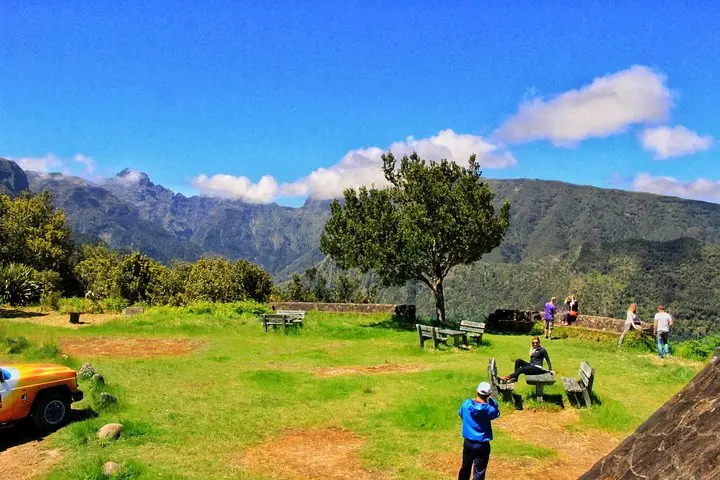
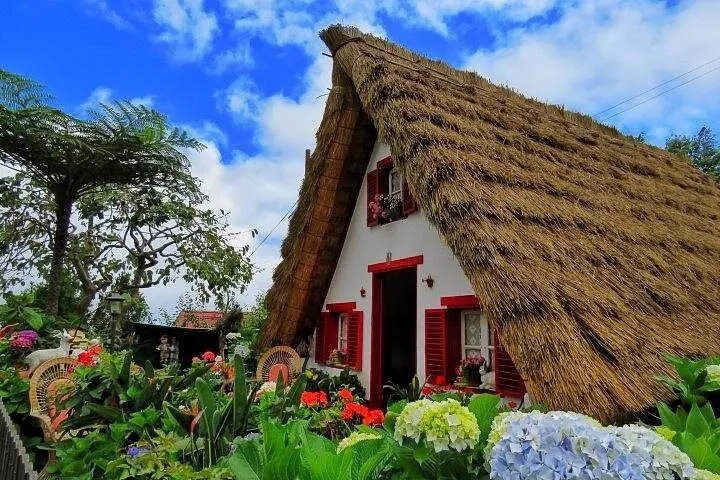
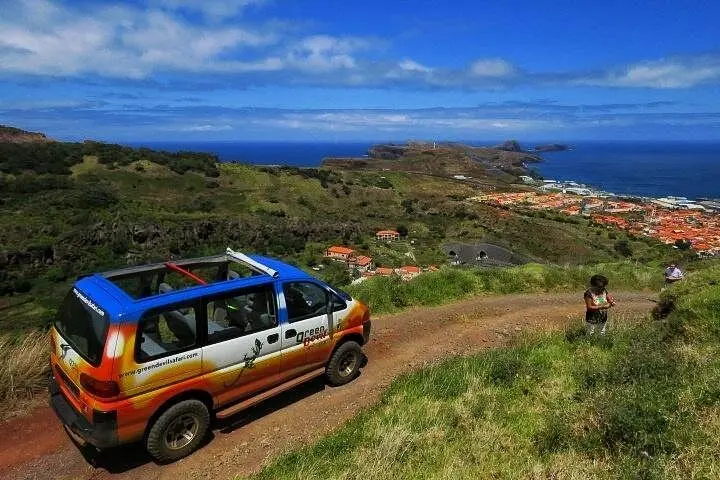
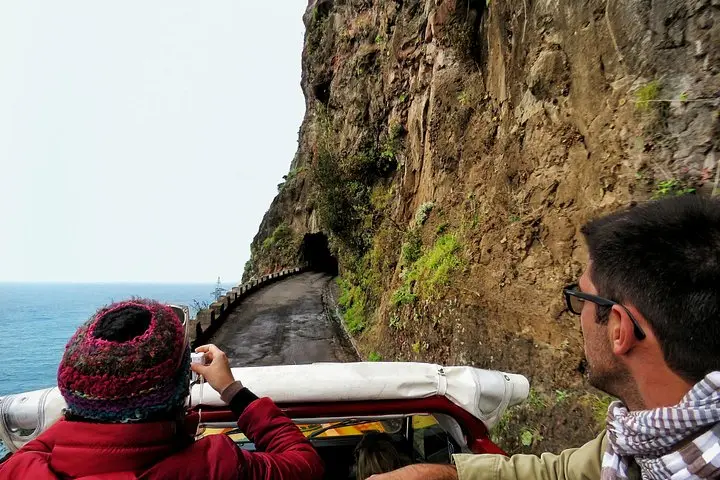
Morning salt wind and laurel-scented forest greet a low, open-top 4x4 as it rumbles away from the Funchal coast toward Madeira’s northeastern spine. Windows frame sudden cliffs plunging into Atlantic spray and terraced fields stacked like dry-stone steps; the guide points out a watermill turned slow and steady with centuries of rain. Villages here stall time in the best way—tiny shops that sell local honey, millstone-quiet chapels, and the triangular thatched houses of Santana that look as if they could fold up and blow into the ocean.
Morning salt wind and laurel-scented forest greet a low, open-top 4x4 as it rumbles away from the Funchal coast toward Madeira’s northeastern spine. Windows frame sudden cliffs plunging into Atlantic spray and terraced fields stacked like dry-stone steps; the guide points out a watermill turned slow and steady with centuries of rain. Villages here stall time in the best way—tiny shops that sell local honey, millstone-quiet chapels, and the triangular thatched houses of Santana that look as if they could fold up and blow into the ocean.
Geology on the route is volcanic and recent in geological terms: hardened lava cliffs, long-ago eruptions carved deep ravines and created the island’s steep relief, while human hands built terraces to hold soil and vines. Culture and gastronomy are tied to that land—sugarcane and rum in Porto da Cruz, shepherd cheeses, and small cafés where poncha (local spirit) is still made by hand. Fauna is discreet but present; laurel forest canopies shelter endemic birds and small reptiles that watch the convoy pass.
Practical guidance: expect a full 7–9 hour day with multiple short stops and a few brief walks on uneven ground; wear sturdy shoes and layers for wind and sudden sun. Bring sunscreen, a waterproof wind layer, and a small daypack for purchases at markets. Cameras with steady straps pay off on viewpoints. The trip suits those who want cultural context with scenic off-road driving—no special fitness needed, but mobility for short strolls helps. Book morning departures to avoid afternoon haze and get the clearest coastal views.