THE ADVENTURE COLLECTIVE® · Independent discovery and booking for outdoor travel

A full‑day, accessible tour around Madeira that uses off‑road wheelchairs and adaptive ramps to open coastal viewpoints, levada edges, and a local fishing museum. Expect 6–7 hours with transport, restrooms, and bottled water provided.
A full‑day, accessible tour around Madeira that uses off‑road wheelchairs and adaptive ramps to open coastal viewpoints, levada edges, and a local fishing museum. Expect 6–7 hours with transport, restrooms, and bottled water provided.
You arrive on a coastal road as the island opens: steep hedgerows give way to basalt cliffs and the Atlantic breathes salt into the air. An all‑terrain wheelchair waits—thick tires and a low center of gravity—ready to carry a passenger along tracks and paved viewpoints that many conventional tours skip.
Verified experiences and guided adventures in the surrounding area.
Operated by Madeira Acessivel By Wheelchair · Funchal, Madeira
You arrive on a coastal road as the island opens: steep hedgerows give way to basalt cliffs and the Atlantic breathes salt into the air. An all‑terrain wheelchair waits—thick tires and a low center of gravity—ready to carry a passenger along tracks and paved viewpoints that many conventional tours skip.
This full‑day accessible circuit moves through Madeira’s layered story: fishing villages shaped by the sea, levada channels cut into volcanic slopes to irrigate mountainsides, and viewpoints that once guided sailors into sheltered bays. Geology is visible in the dark volcanic rock and the sharp, weathered ridgelines; culture arrives in the simple wooden benches, fisherfolk memories preserved in local museums, and small snack stands serving bolo do caco.
Operators tailor routes island‑wide, visiting Garajau and Caniçal viewpoints, a local fishing museum, and short levada access where the off‑road chair can handle roots, gravel, and gentle stair climbs with ramps.
Practical notes: expect 6–7 hours on the road with an air‑conditioned vehicle, restroom stops at accessible facilities, and bottled water provided. Staff recommend using their off‑road equipment—manual, electric, or adapted chairs have limits and battery risks—and booking mobility needs ahead. Wear closed, non‑slip shoes, layered clothing for coastal wind and mountain shade, and bring any medical supplies and a fully charged mobility battery if using personal equipment.
The experience is about access: letting people with reduced mobility keep pace with the island’s raw edges, inhale ocean air, and reach viewpoints that once required steep footwork.
The operator provides off‑road wheelchairs designed for uneven terrain; some personal electric chairs may have access restrictions—confirm compatibility before booking.
The tour runs about 6–7 hours with planned restroom and snack stops; bottled water is provided on board.
Yes—service animals are allowed, but notify the operator in advance so they can plan vehicle seating and any site restrictions.
The operator recommends using their equipment; if a personal chair fails, customers may be responsible for recovery costs—discuss contingency plans before departure.
Madeira Acessivel By Wheelchair operates guided outdoor trips and adventures with an emphasis on safety, stewardship, and memorable experiences.
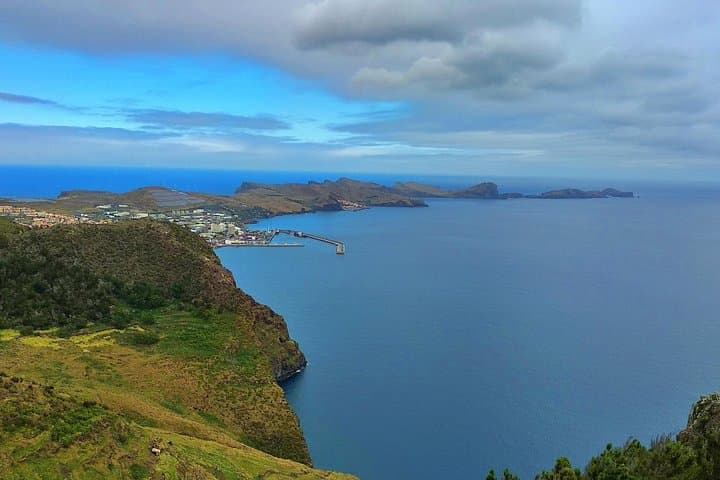
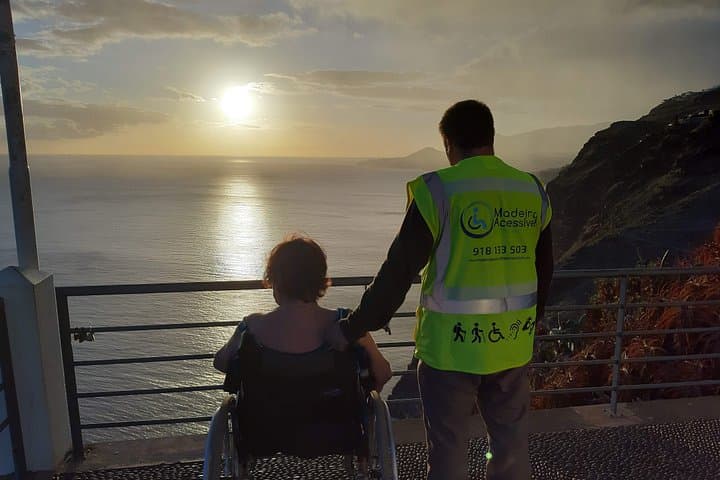
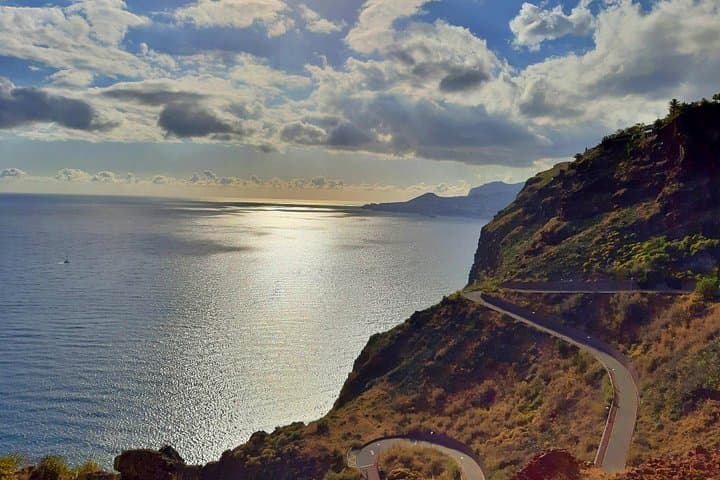

You arrive on a coastal road as the island opens: steep hedgerows give way to basalt cliffs and the Atlantic breathes salt into the air. An all‑terrain wheelchair waits—thick tires and a low center of gravity—ready to carry a passenger along tracks and paved viewpoints that many conventional tours skip.
You arrive on a coastal road as the island opens: steep hedgerows give way to basalt cliffs and the Atlantic breathes salt into the air. An all‑terrain wheelchair waits—thick tires and a low center of gravity—ready to carry a passenger along tracks and paved viewpoints that many conventional tours skip.
This full‑day accessible circuit moves through Madeira’s layered story: fishing villages shaped by the sea, levada channels cut into volcanic slopes to irrigate mountainsides, and viewpoints that once guided sailors into sheltered bays. Geology is visible in the dark volcanic rock and the sharp, weathered ridgelines; culture arrives in the simple wooden benches, fisherfolk memories preserved in local museums, and small snack stands serving bolo do caco.
Operators tailor routes island‑wide, visiting Garajau and Caniçal viewpoints, a local fishing museum, and short levada access where the off‑road chair can handle roots, gravel, and gentle stair climbs with ramps.
Practical notes: expect 6–7 hours on the road with an air‑conditioned vehicle, restroom stops at accessible facilities, and bottled water provided. Staff recommend using their off‑road equipment—manual, electric, or adapted chairs have limits and battery risks—and booking mobility needs ahead. Wear closed, non‑slip shoes, layered clothing for coastal wind and mountain shade, and bring any medical supplies and a fully charged mobility battery if using personal equipment.
The experience is about access: letting people with reduced mobility keep pace with the island’s raw edges, inhale ocean air, and reach viewpoints that once required steep footwork.