THE ADVENTURE COLLECTIVE® · Independent discovery and booking for outdoor travel

Step out after dark into Madeira’s rural lanes to listen for the endemic Madeiran Barn Owl. This guided night walk offers close listening, focused observation, and island natural history without strenuous hiking.
Step out after dark into Madeira’s rural lanes to listen for the endemic Madeiran Barn Owl. This guided night walk offers close listening, focused observation, and island natural history without strenuous hiking.
Night falls over Madeira’s patchwork of terraced fields and stone barns, and a small group follows the guide along quiet country lanes. The air cools and insects hum; somewhere ahead a barn owl calls, a soft, rolling screech that seems to belong to the dark itself.
Verified experiences and guided adventures in the surrounding area.
Operated by Madeira Fauna Flora · Funchal, Madeira
Night falls over Madeira’s patchwork of terraced fields and stone barns, and a small group follows the guide along quiet country lanes. The air cools and insects hum; somewhere ahead a barn owl calls, a soft, rolling screech that seems to belong to the dark itself.
The Madeiran Barn Owl (Tyto alba sancti-johannis) is an island subspecies shaped by volcanic geology and centuries of small-scale farming. The route takes you through rural valleys and plateaus cut into old lava flows and laurisilva margins, where abandoned outbuildings and hedgerows offer the owls hunting perches. Local culture here still values evening observance of nature; many farmers know where owls roost and respect seasonal nesting.
Expect close listening and stationary observation rather than long hikes: this is a guided nocturnal survey focused on sight and sound. Guides bring observation material and field guides; small groups keep disturbance low. The experience pairs natural history with practical know-how—learn to read owl calls, spot flight silhouettes against star-glow, and interpret signs of breeding activity.
Practical guidance: wear layered, quiet clothing and sturdy shoes for uneven countryside lanes. Bring a low-intensity red headlamp, binoculars with good low-light performance, and insect protection. Keep voices hushed and flash photography to a minimum to avoid disturbing the birds. Tours typically last about three hours and depart from the Funchal area; check moon phase and weather—clear, calm nights improve detection. This is accessible for most fitness levels and rewarding for first-time birders and seasoned naturalists alike.
The tour runs about three hours, typically starting after sunset to maximize owl activity.
Most departures originate from the Funchal area with a local meeting point; check your booking for exact pickup instructions.
Yes—the tour is described as physically easy with short, mostly flat sections, but let the operator know about mobility needs in advance.
No guarantee—owl detection depends on weather, season, and local activity; guides maximize chances through local knowledge and quiet, targeted searches.
Madeira Fauna Flora operates guided outdoor trips and adventures with an emphasis on safety, stewardship, and memorable experiences.


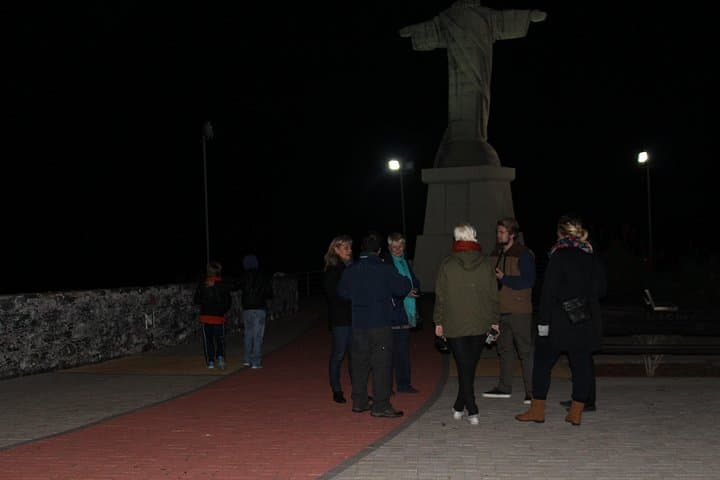
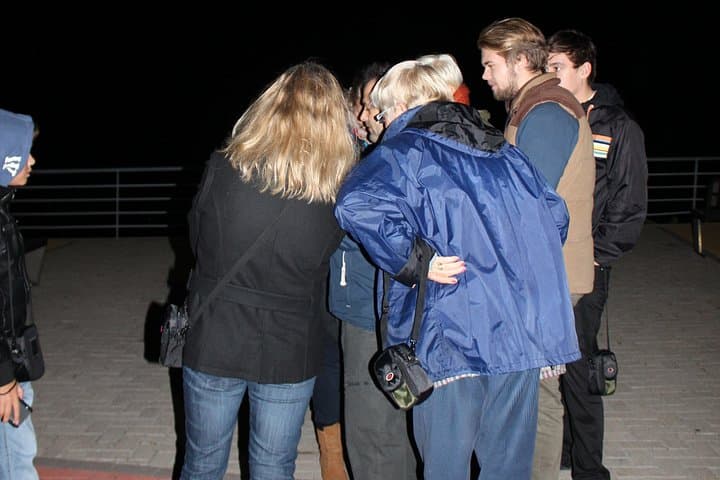
Night falls over Madeira’s patchwork of terraced fields and stone barns, and a small group follows the guide along quiet country lanes. The air cools and insects hum; somewhere ahead a barn owl calls, a soft, rolling screech that seems to belong to the dark itself.
Night falls over Madeira’s patchwork of terraced fields and stone barns, and a small group follows the guide along quiet country lanes. The air cools and insects hum; somewhere ahead a barn owl calls, a soft, rolling screech that seems to belong to the dark itself.
The Madeiran Barn Owl (Tyto alba sancti-johannis) is an island subspecies shaped by volcanic geology and centuries of small-scale farming. The route takes you through rural valleys and plateaus cut into old lava flows and laurisilva margins, where abandoned outbuildings and hedgerows offer the owls hunting perches. Local culture here still values evening observance of nature; many farmers know where owls roost and respect seasonal nesting.
Expect close listening and stationary observation rather than long hikes: this is a guided nocturnal survey focused on sight and sound. Guides bring observation material and field guides; small groups keep disturbance low. The experience pairs natural history with practical know-how—learn to read owl calls, spot flight silhouettes against star-glow, and interpret signs of breeding activity.
Practical guidance: wear layered, quiet clothing and sturdy shoes for uneven countryside lanes. Bring a low-intensity red headlamp, binoculars with good low-light performance, and insect protection. Keep voices hushed and flash photography to a minimum to avoid disturbing the birds. Tours typically last about three hours and depart from the Funchal area; check moon phase and weather—clear, calm nights improve detection. This is accessible for most fitness levels and rewarding for first-time birders and seasoned naturalists alike.