THE ADVENTURE COLLECTIVE® · Independent discovery and booking for outdoor travel

Walk Madrid the way locals remember it: an oral-history audio tour that plays automatically as you move through town. Two hours of resident stories, mining memory, and contemporary art—perfect for an independent, low-impact cultural outing.
Walk Madrid the way locals remember it: an oral-history audio tour that plays automatically as you move through town. Two hours of resident stories, mining memory, and contemporary art—perfect for an independent, low-impact cultural outing.
Dust lifts off the old rail bed as you step from Route 14 into Madrid, New Mexico — a stretch of storefronts, weathered signs, and bright studio doors where coal dust once blew in like fine sand. The audio begins at the red start button and a voice, stitched from decades of interviews, leads you down the main drag; you can almost hear the clink of miners’ lunch pails overlaying today’s guitar strings.
Verified experiences and guided adventures in the surrounding area.
Operated by VoiceMap Audio Tours · Madrid, New Mexico
Dust lifts off the old rail bed as you step from Route 14 into Madrid, New Mexico — a stretch of storefronts, weathered signs, and bright studio doors where coal dust once blew in like fine sand. The audio begins at the red start button and a voice, stitched from decades of interviews, leads you down the main drag; you can almost hear the clink of miners’ lunch pails overlaying today’s guitar strings.
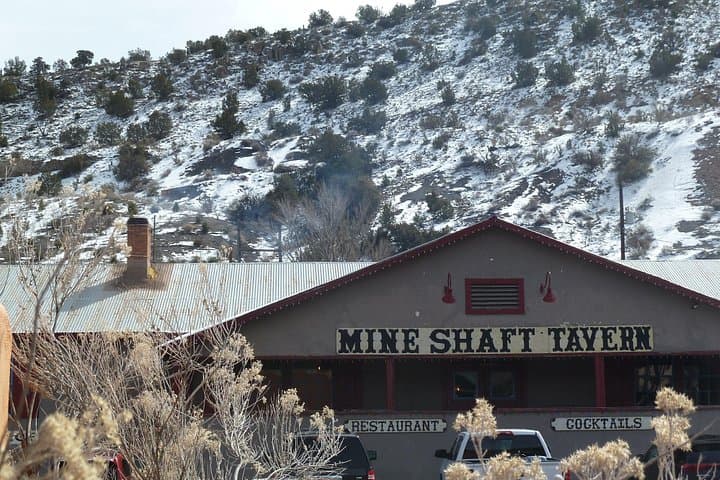
Madrid’s story is industrial and eccentric: founded as a coal camp in 1899, it fed furnaces and fortresses — even coal that helped power the Manhattan Project — then emptied into a ghost town before artists and entrepreneurs repopulated its storefronts. Geologically it sits on the northern edge of the Cerrillos Hills coal seams; the terrain is high desert at roughly 6,000 feet, scrub and pinon punctuating short, rocky rises. Cultural life now centers on galleries, the Mine Shaft Tavern, and the Old Coal Town Museum; the tour pulls oral history from residents whose families lived through labor struggles, fires, and reinvention.
Practically, this is a two-hour, low-impact walk with frequent stops; the VoiceMap app provides turn-by-turn prompts and offline maps. Bring headphones, a charged phone, and layered clothing — afternoon winds kick up fast at this elevation. Respect private property and businesses: the town functions on small owners and weekend visitors. Start the tour in daylight, allow extra time for browsing galleries and a meal at the tavern, and carry water — services are limited, and summer sun or winter chill can change the pace of the walk.
After booking you receive an eight-character VoiceMap code by email; install VoiceMap, redeem the code, and download the tour for offline use.
The app shows the photo of the starting point and activates the start button when you arrive; plan about two hours to walk and linger.
The listing notes wheelchair accessibility for main streets and many stops, but some areas have uneven pavement—check the offline map for alternate routes and contact support for specifics.
The audio can be used any time, but daytime is recommended for galleries and safety; service animals are allowed, and pets should be leashed and supervised around traffic and businesses.
VoiceMap Audio Tours operates guided outdoor trips and adventures with an emphasis on safety, stewardship, and memorable experiences.
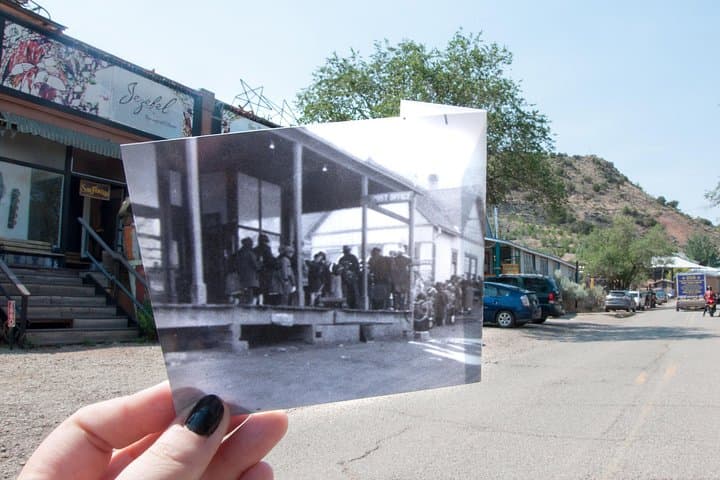
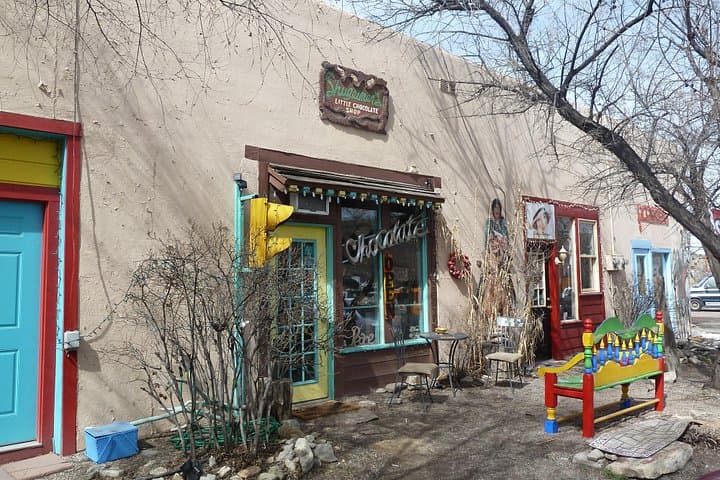
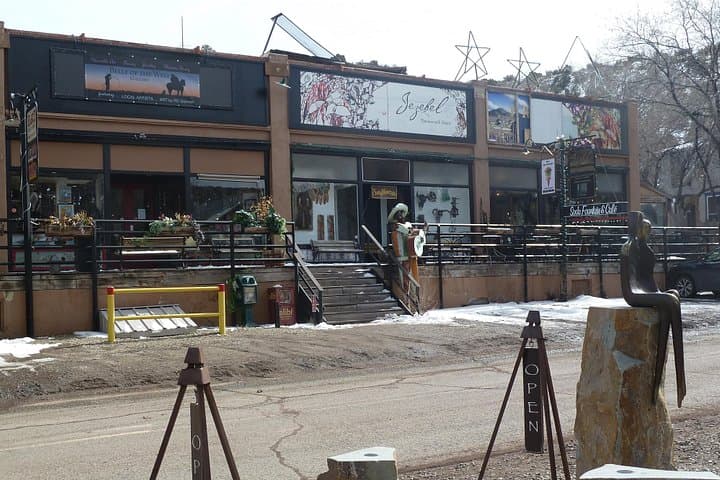
Dust lifts off the old rail bed as you step from Route 14 into Madrid, New Mexico — a stretch of storefronts, weathered signs, and bright studio doors where coal dust once blew in like fine sand. The audio begins at the red start button and a voice, stitched from decades of interviews, leads you down the main drag; you can almost hear the clink of miners’ lunch pails overlaying today’s guitar strings.
Dust lifts off the old rail bed as you step from Route 14 into Madrid, New Mexico — a stretch of storefronts, weathered signs, and bright studio doors where coal dust once blew in like fine sand. The audio begins at the red start button and a voice, stitched from decades of interviews, leads you down the main drag; you can almost hear the clink of miners’ lunch pails overlaying today’s guitar strings.
Madrid’s story is industrial and eccentric: founded as a coal camp in 1899, it fed furnaces and fortresses — even coal that helped power the Manhattan Project — then emptied into a ghost town before artists and entrepreneurs repopulated its storefronts. Geologically it sits on the northern edge of the Cerrillos Hills coal seams; the terrain is high desert at roughly 6,000 feet, scrub and pinon punctuating short, rocky rises. Cultural life now centers on galleries, the Mine Shaft Tavern, and the Old Coal Town Museum; the tour pulls oral history from residents whose families lived through labor struggles, fires, and reinvention.
Practically, this is a two-hour, low-impact walk with frequent stops; the VoiceMap app provides turn-by-turn prompts and offline maps. Bring headphones, a charged phone, and layered clothing — afternoon winds kick up fast at this elevation. Respect private property and businesses: the town functions on small owners and weekend visitors. Start the tour in daylight, allow extra time for browsing galleries and a meal at the tavern, and carry water — services are limited, and summer sun or winter chill can change the pace of the walk.