THE ADVENTURE COLLECTIVE® · Independent discovery and booking for outdoor travel

Step into a lively one‑hour private salsa class on Calle de Santa Isabel. Learn practical steps, partner technique and a little history of Latin rhythms in Madrid’s multicultural music scene.
Step into a lively one‑hour private salsa class on Calle de Santa Isabel. Learn practical steps, partner technique and a little history of Latin rhythms in Madrid’s multicultural music scene.
The studio door opens onto Calle de Santa Isabel and the first beat meets you in the doorway—brisk, syncopated, immediate. Students slip off the street into a warm room where hardwood scrapes softly under the rhythm; instructors count in Spanish and English, guiding feet into the pulse of salsa, bachata and merengue.
Verified experiences and guided adventures in the surrounding area.
Operated by MADride Travel · Madrid, Comunidad de Madrid
The studio door opens onto Calle de Santa Isabel and the first beat meets you in the doorway—brisk, syncopated, immediate. Students slip off the street into a warm room where hardwood scrapes softly under the rhythm; instructors count in Spanish and English, guiding feet into the pulse of salsa, bachata and merengue.
Salsa’s origins lie in Afro‑Caribbean communities—Cuba, Puerto Rico and the Dominican Republic—and Madrid has absorbed these currents for decades. The city’s immigrant neighborhoods, especially around Lavapiés and Embajadores, are where Latin rhythms became part of daily life, feeding small studios, bars and weekly social nights.
This one‑hour private class focuses on practical patterns: basic steps, lead/follow mechanics and musical timing. The room is simple—mirrors, a speaker, a teacher who breaks moves into clear counts—so the emphasis is on feel rather than choreography. Expect partner drills, solo footwork and brief history about the dances you try.
Practical guidance: arrive 10–15 minutes early, wear shoes with a smooth sole or dance shoes, and bring water. The meeting point is usually Calle de Santa Isabel 5 but confirm via WhatsApp; public transit stops nearby make access easy. Mobility limitations and cardiovascular concerns are noted by the operator—ask ahead if you have special needs.
For travelers, this class is an efficient cultural primer—a way to hear Madrid’s immigrant-driven music scene in motion while learning a social skill you can use at local salsa nights. It’s short, direct and leaves you ready to keep dancing through Madrid’s evening streets.
No—this class is designed for all levels; instructors will teach basic timing and partner skills before moving to more complex patterns.
Wear breathable, flexible clothing and shoes with a smooth sole; avoid heavy boots or slippery socks.
Both are welcome—partners will be paired during the lesson so solo attendees should be comfortable switching partners for practice.
The operator confirms the exact address via WhatsApp before the lesson; use public transit to Lavapiés/Embajadores and follow the message directions.
MADride Travel operates guided outdoor trips and adventures with an emphasis on safety, stewardship, and memorable experiences.
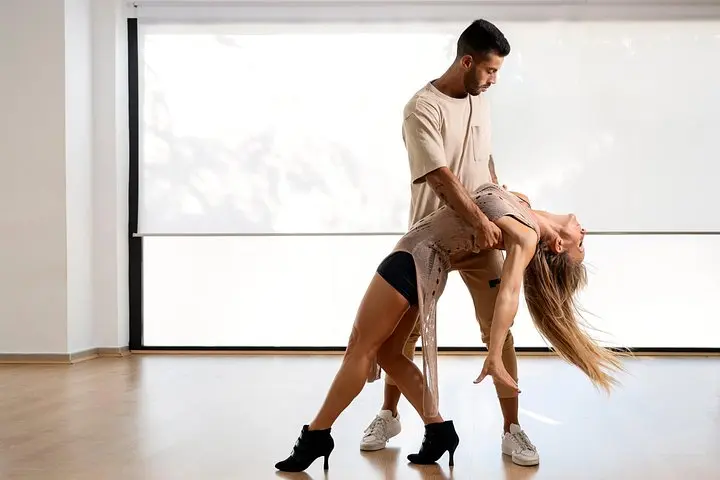
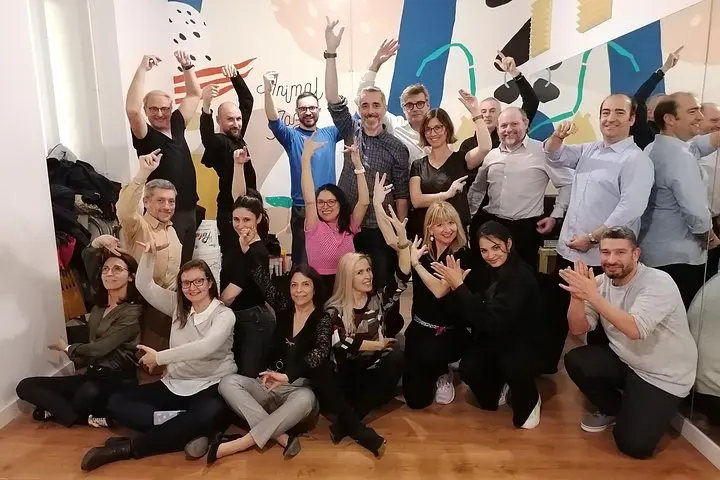
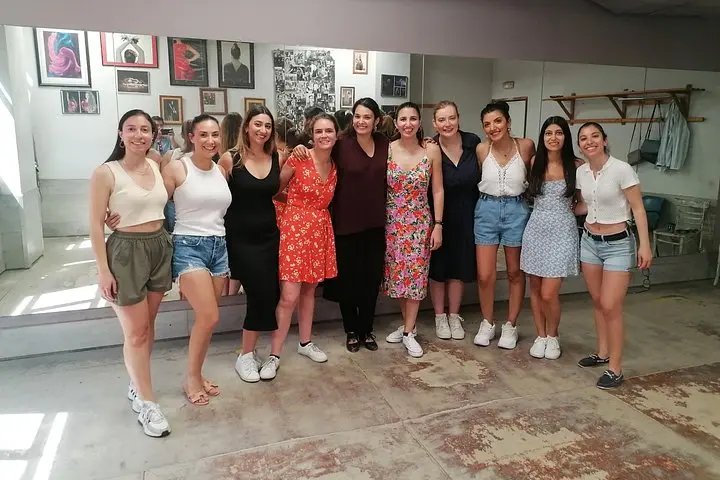
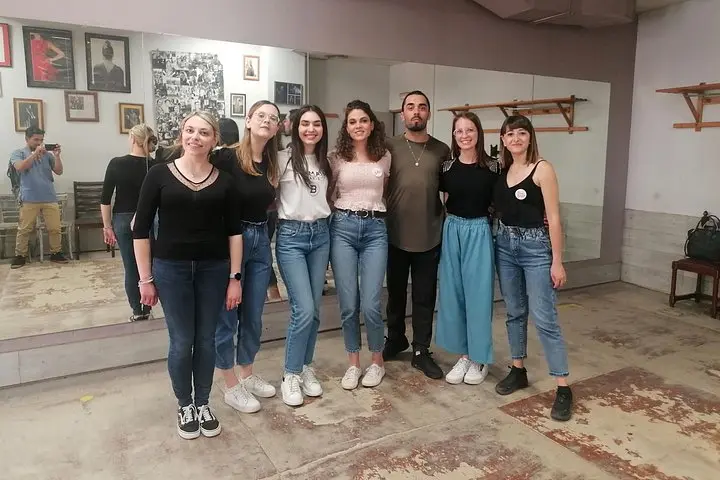
The studio door opens onto Calle de Santa Isabel and the first beat meets you in the doorway—brisk, syncopated, immediate. Students slip off the street into a warm room where hardwood scrapes softly under the rhythm; instructors count in Spanish and English, guiding feet into the pulse of salsa, bachata and merengue.
The studio door opens onto Calle de Santa Isabel and the first beat meets you in the doorway—brisk, syncopated, immediate. Students slip off the street into a warm room where hardwood scrapes softly under the rhythm; instructors count in Spanish and English, guiding feet into the pulse of salsa, bachata and merengue.
Salsa’s origins lie in Afro‑Caribbean communities—Cuba, Puerto Rico and the Dominican Republic—and Madrid has absorbed these currents for decades. The city’s immigrant neighborhoods, especially around Lavapiés and Embajadores, are where Latin rhythms became part of daily life, feeding small studios, bars and weekly social nights.
This one‑hour private class focuses on practical patterns: basic steps, lead/follow mechanics and musical timing. The room is simple—mirrors, a speaker, a teacher who breaks moves into clear counts—so the emphasis is on feel rather than choreography. Expect partner drills, solo footwork and brief history about the dances you try.
Practical guidance: arrive 10–15 minutes early, wear shoes with a smooth sole or dance shoes, and bring water. The meeting point is usually Calle de Santa Isabel 5 but confirm via WhatsApp; public transit stops nearby make access easy. Mobility limitations and cardiovascular concerns are noted by the operator—ask ahead if you have special needs.
For travelers, this class is an efficient cultural primer—a way to hear Madrid’s immigrant-driven music scene in motion while learning a social skill you can use at local salsa nights. It’s short, direct and leaves you ready to keep dancing through Madrid’s evening streets.