THE ADVENTURE COLLECTIVE® · Independent discovery and booking for outdoor travel

Glide through one of Sri Lanka’s widest estuaries on a two‑hour Madu River boat safari. Visit Cinnamon Island and a temple islet, spot monitor lizards and river birds, and try a natural fish spa while a local guide explains the river’s cultural and ecological role.
Glide through one of Sri Lanka’s widest estuaries on a two‑hour Madu River boat safari. Visit Cinnamon Island and a temple islet, spot monitor lizards and river birds, and try a natural fish spa while a local guide explains the river’s cultural and ecological role.
The boat slips away from a small wooden jetty and the river takes the lead—its current nudging you under a green ceiling of mangrove roots. Salty air mixes with the sweet, spicy scent of cinnamon as the guide eases the motor and points to a flash of blue from a kingfisher.
Verified experiences and guided adventures in the surrounding area.
Operated by Tony Tours · Balapitiya, Southern Province
The boat slips away from a small wooden jetty and the river takes the lead—its current nudging you under a green ceiling of mangrove roots. Salty air mixes with the sweet, spicy scent of cinnamon as the guide eases the motor and points to a flash of blue from a kingfisher.
Madu River (Madu Ganga) has long shaped local livelihoods: fishing channels, small islands where families cultivate cinnamon, and scattered temple islets that mark centuries of coastal culture. Geologically, the estuary is a shallow lagoon fed by coastal streams, where mangroves trap sediment and create a braided network of waterways. The human story here is close to the water—simple boat-building, spice processing, and temple rituals that still punctuate river life.
Expect two hours of slow cruising with stops: a cinnamon-island demo showing peeling and drying bark, a short walk among temple shrines, and a chance to try a fish spa. Wildlife is compact and conspicuous—monitor lizards basking on roots, troop-hopping monkeys, and a variety of river and shore birds; occasional reports of estuarine crocodiles mean the guide maintains distance.
Practical notes: tours typically run at 8:00 AM and 3:00 PM to avoid midday heat, and boats are stable but low—step carefully. Bring sun protection, a light rain layer in monsoon months, insect repellent, and a camera with a zoom. The route is easy on fitness but requires steady footing for short landings. If you’re staying in Bentota or Balapitiya, this two-hour safari is an efficient, sensory way to read the coastal ecology and culture in one outing.
Most operators offer hotel pick‑up in Bentota, Ahungalla, Kosgoda and nearby towns; confirm your exact pick‑up point when booking.
Fish spa treatments involve small garra fish nibbling dead skin—operators typically rinse feet before the treatment; avoid if you have open wounds or circulation issues.
Crocodiles are occasionally present in estuaries; sightings are uncommon and guides maintain safe distances and protocols if one is spotted.
Yes—this is a low‑effort cruise, but children and anyone with mobility limits should be assisted during low boat landings.
Tony Tours operates guided outdoor trips and adventures with an emphasis on safety, stewardship, and memorable experiences.
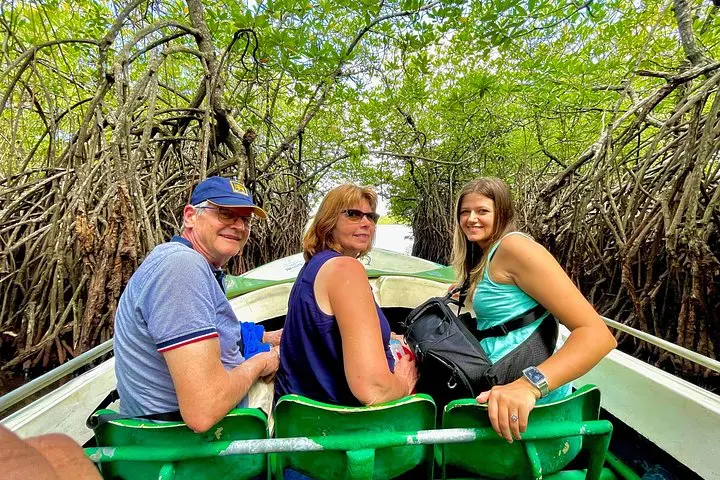
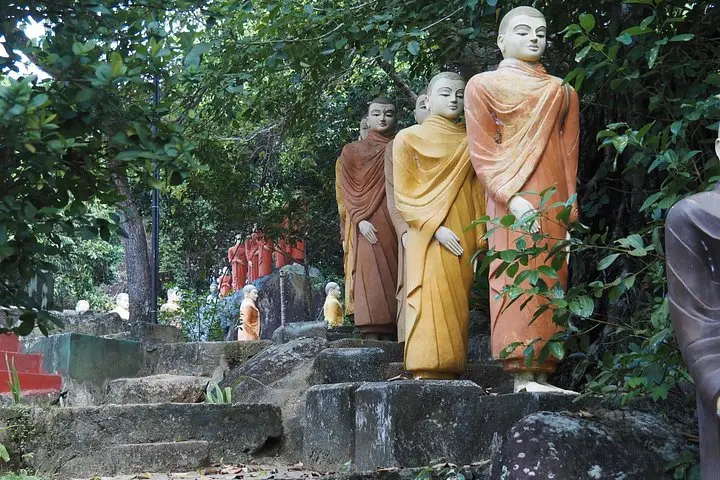
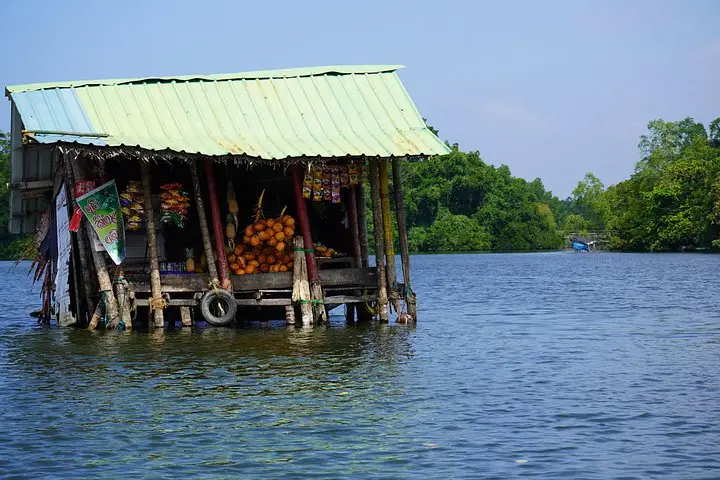
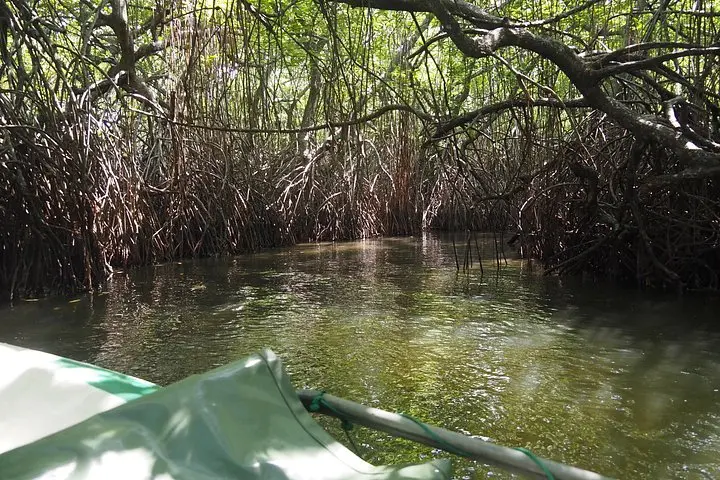
The boat slips away from a small wooden jetty and the river takes the lead—its current nudging you under a green ceiling of mangrove roots. Salty air mixes with the sweet, spicy scent of cinnamon as the guide eases the motor and points to a flash of blue from a kingfisher.
The boat slips away from a small wooden jetty and the river takes the lead—its current nudging you under a green ceiling of mangrove roots. Salty air mixes with the sweet, spicy scent of cinnamon as the guide eases the motor and points to a flash of blue from a kingfisher.
Madu River (Madu Ganga) has long shaped local livelihoods: fishing channels, small islands where families cultivate cinnamon, and scattered temple islets that mark centuries of coastal culture. Geologically, the estuary is a shallow lagoon fed by coastal streams, where mangroves trap sediment and create a braided network of waterways. The human story here is close to the water—simple boat-building, spice processing, and temple rituals that still punctuate river life.
Expect two hours of slow cruising with stops: a cinnamon-island demo showing peeling and drying bark, a short walk among temple shrines, and a chance to try a fish spa. Wildlife is compact and conspicuous—monitor lizards basking on roots, troop-hopping monkeys, and a variety of river and shore birds; occasional reports of estuarine crocodiles mean the guide maintains distance.
Practical notes: tours typically run at 8:00 AM and 3:00 PM to avoid midday heat, and boats are stable but low—step carefully. Bring sun protection, a light rain layer in monsoon months, insect repellent, and a camera with a zoom. The route is easy on fitness but requires steady footing for short landings. If you’re staying in Bentota or Balapitiya, this two-hour safari is an efficient, sensory way to read the coastal ecology and culture in one outing.