THE ADVENTURE COLLECTIVE® · Independent discovery and booking for outdoor travel

Escape Chiang Mai for a half-day into Mae Kampong: a tucked-away mountain village with year-round waterfall, natural hot springs where you can cook an egg, and village coffee served with views. This guided trip blends easy walking with cultural exchange and simple rural pleasures.
Escape Chiang Mai for a half-day into Mae Kampong: a tucked-away mountain village with year-round waterfall, natural hot springs where you can cook an egg, and village coffee served with views. This guided trip blends easy walking with cultural exchange and simple rural pleasures.
You step off the red tuk-tuk into a hollow of green — a small village cupped by ridgelines, coffee trees lining the single road, and the constant, distant drum of running water. Morning mist lifts from terraced gardens as your guide points out a wooden house with a steaming rock pool at its edge; villagers exchange warm smiles and a steaming cup of locally roasted coffee.
Verified experiences and guided adventures in the surrounding area.
Operated by Way to Bangkok · Mae Kampong, Chiang Mai Province
You step off the red tuk-tuk into a hollow of green — a small village cupped by ridgelines, coffee trees lining the single road, and the constant, distant drum of running water. Morning mist lifts from terraced gardens as your guide points out a wooden house with a steaming rock pool at its edge; villagers exchange warm smiles and a steaming cup of locally roasted coffee.
Mae Kampong sits in a volcanic-tinged highland bowl east of Chiang Mai. The geology channels year-round springs through shallow riverbeds, feeding perennial waterfalls and the hot pools used by locals for cooking and bathing. Culturally, the village is a working rural community — tea and coffee farming, home-grown cuisine, and simple wooden houses on stilts shaped by decades of mountain weather.
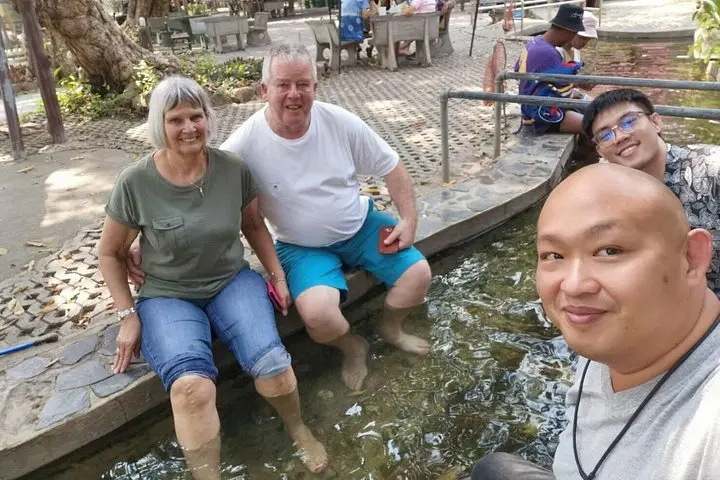
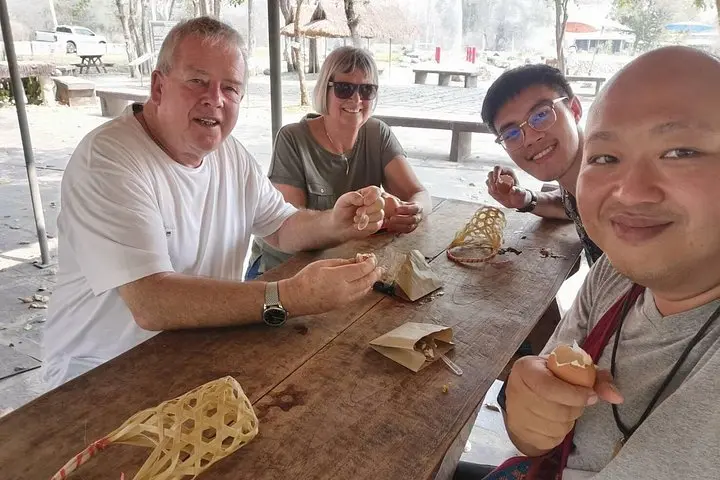
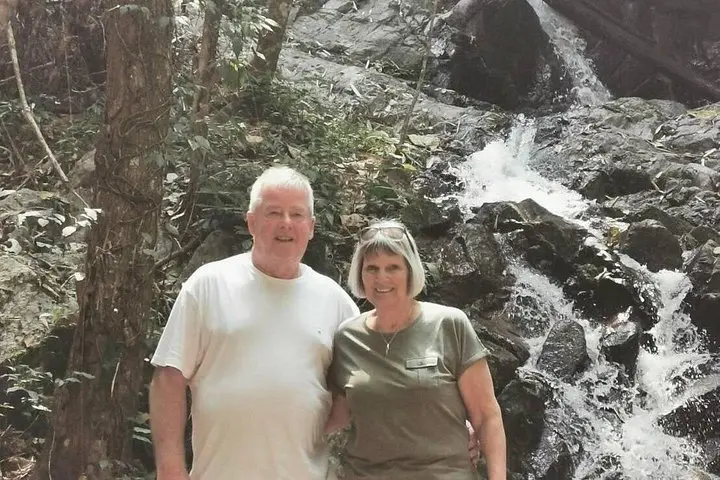
The guided half-day route moves at an easy pace: a short village walk, a 20–40 minute jungle trail to the waterfall, and time at a natural hot spring where you can gently cook an egg and soak tired feet. Expect uneven stone steps, muddy patches after rain, and close-up encounters with small birds and insects.
Practical pointers: wear sturdy, closed-toe shoes with good grip, bring water and small bills for village purchases, use biodegradable sunscreen and repellent, and time the visit early or late to avoid mid-day heat and to catch the best light at viewpoints. If you’re curious about coffee processing or traditional ways of life, ask your guide — locals welcome respectful questions and small purchases help the community sustain tourism that’s low-impact and locally run.
The tour runs about five hours with hotel pickup and drop-off in Chiang Mai included.
Yes — guides demonstrate boiling eggs in the hot spring; follow safety guidance and don’t submerge more than recommended.
Yes — the route is easy-paced, but there are uneven surfaces; inform the operator of mobility concerns so guides can assist.
Yes, bring small Thai baht bills for village purchases, tips, or additional snacks—card acceptance is limited.
Way to Bangkok operates guided outdoor trips and adventures with an emphasis on safety, stewardship, and memorable experiences.
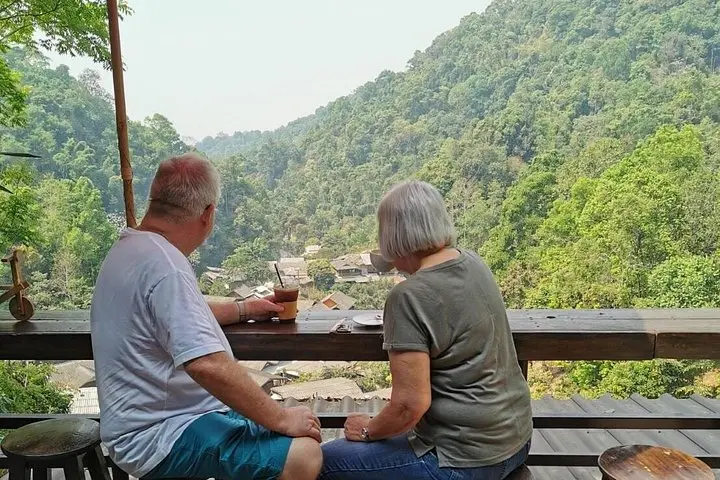
You step off the red tuk-tuk into a hollow of green — a small village cupped by ridgelines, coffee trees lining the single road, and the constant, distant drum of running water. Morning mist lifts from terraced gardens as your guide points out a wooden house with a steaming rock pool at its edge; villagers exchange warm smiles and a steaming cup of locally roasted coffee.
You step off the red tuk-tuk into a hollow of green — a small village cupped by ridgelines, coffee trees lining the single road, and the constant, distant drum of running water. Morning mist lifts from terraced gardens as your guide points out a wooden house with a steaming rock pool at its edge; villagers exchange warm smiles and a steaming cup of locally roasted coffee.
Mae Kampong sits in a volcanic-tinged highland bowl east of Chiang Mai. The geology channels year-round springs through shallow riverbeds, feeding perennial waterfalls and the hot pools used by locals for cooking and bathing. Culturally, the village is a working rural community — tea and coffee farming, home-grown cuisine, and simple wooden houses on stilts shaped by decades of mountain weather.
The guided half-day route moves at an easy pace: a short village walk, a 20–40 minute jungle trail to the waterfall, and time at a natural hot spring where you can gently cook an egg and soak tired feet. Expect uneven stone steps, muddy patches after rain, and close-up encounters with small birds and insects.
Practical pointers: wear sturdy, closed-toe shoes with good grip, bring water and small bills for village purchases, use biodegradable sunscreen and repellent, and time the visit early or late to avoid mid-day heat and to catch the best light at viewpoints. If you’re curious about coffee processing or traditional ways of life, ask your guide — locals welcome respectful questions and small purchases help the community sustain tourism that’s low-impact and locally run.