THE ADVENTURE COLLECTIVE® · Independent discovery and booking for outdoor travel

Walk Mafalala’s tight lanes with a local guide and encounter the neighborhood that shaped Mozambican nationalism. Expect markets, modest mosques, playing fields where champions began, and vivid living history on a 2½-hour cultural walk.
Walk Mafalala’s tight lanes with a local guide and encounter the neighborhood that shaped Mozambican nationalism. Expect markets, modest mosques, playing fields where champions began, and vivid living history on a 2½-hour cultural walk.
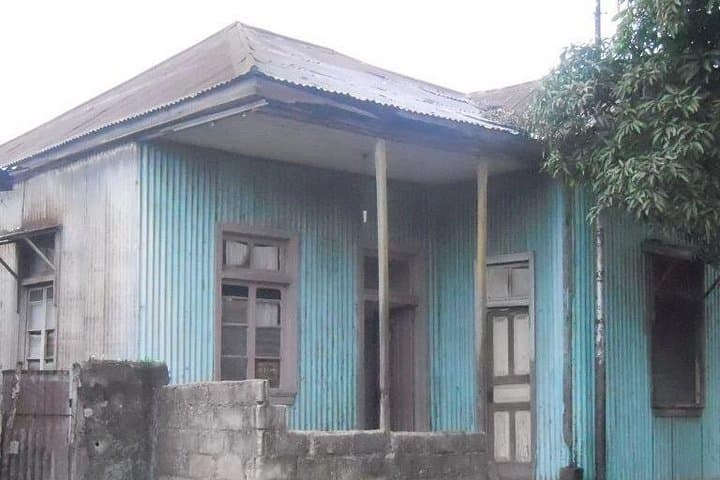
You step off the sun-warmed pavement and into Mafalala’s rhythm: narrow lanes that chatter with vendors, corrugated roofs catching late-afternoon light, and the occasional breeze that seems to carry a hundred conversations at once.
Verified experiences and guided adventures in the surrounding area.
Operated by Maputo City Walking Tours · Maputo, Maputo Province
You step off the sun-warmed pavement and into Mafalala’s rhythm: narrow lanes that chatter with vendors, corrugated roofs catching late-afternoon light, and the occasional breeze that seems to carry a hundred conversations at once.
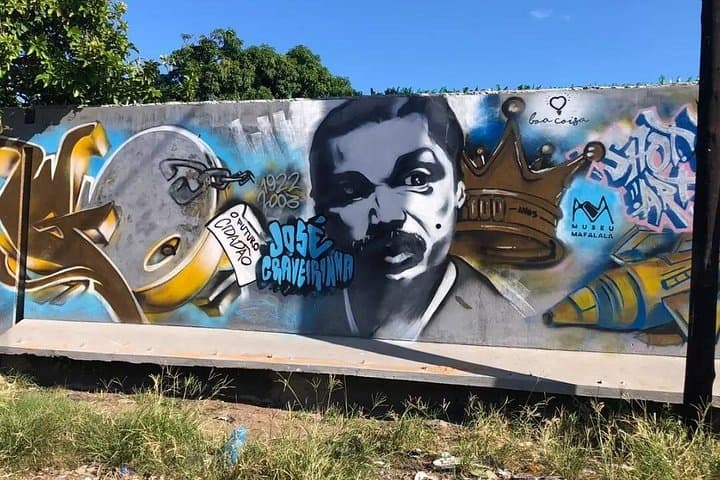
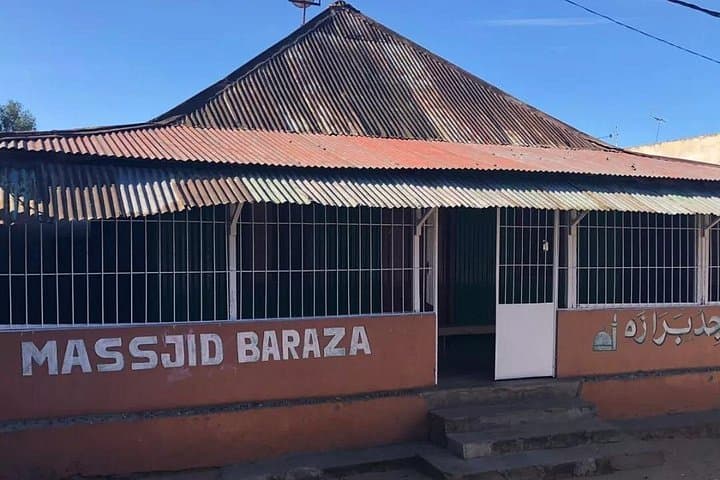
This compact neighborhood holds layers of 20th-century Mozambican history — a place where anti-colonial organizers met, athletes practiced on modest turf, and markets grew around everyday resilience. The walk threads through Masjid Baraza, the modest mosque whose wooden beams and iron sheeting are steady witnesses to community life; past Xicampanine, the small playing field where champions first learned to run; and into Xipamanine market, born in the 1920s to serve residents excluded from colonial commerce.
Geology and geography here are urban: reclaimed sand flats and coastal plains that shaped Maputo’s street grid, while the city’s coastal climate informs daily life — sudden tropical downpours and a long dry season. Cultural touchstones include the Ntsindya Cultural Center and traces of Lusophone and African influences in language, food, and music. History is present in conversation and façades rather than plaques.
Practical guidance: the tour runs about 2½ hours over mostly flat, uneven pavement—expect short stretches of dirt and loose gravel. Wear sturdy closed-toe shoes, bring a refillable water bottle, and carry small bills for market purchases. Mornings are cooler and best for photography; afternoons bring heat and occasional showers in summer.
Respect local norms at religious and cultural sites, keep noise low in residential lanes, and leave space for daily life to continue around you—this tour is as much about listening as it is about seeing.
The tour is approximately 150 minutes at a steady walking pace with stops; expect 2–3 hours total including short talks and market visits.
Yes if they have moderate mobility; the route is mostly flat but includes uneven sidewalks and brief dirt stretches—notify the operator of mobility concerns.
Most stops are public or viewed externally; there are no formal entrance fees, though donations or purchases at markets are your discretion.
Always ask permission before photographing people or interior spaces; some religious or private areas may restrict photography.
Maputo City Walking Tours operates guided outdoor trips and adventures with an emphasis on safety, stewardship, and memorable experiences.
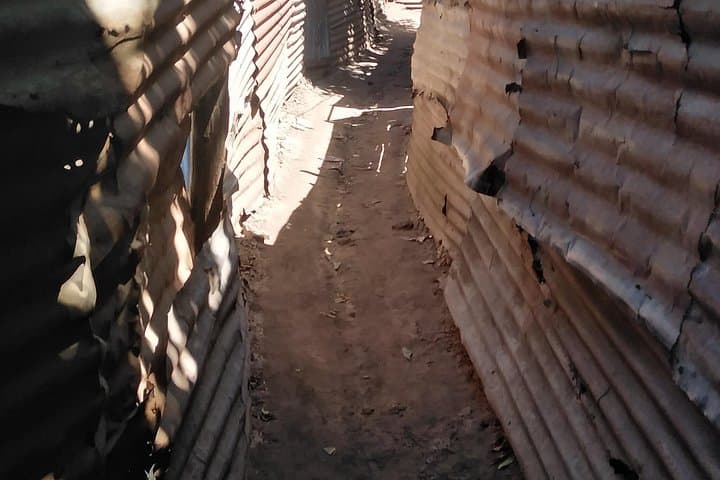
You step off the sun-warmed pavement and into Mafalala’s rhythm: narrow lanes that chatter with vendors, corrugated roofs catching late-afternoon light, and the occasional breeze that seems to carry a hundred conversations at once.
You step off the sun-warmed pavement and into Mafalala’s rhythm: narrow lanes that chatter with vendors, corrugated roofs catching late-afternoon light, and the occasional breeze that seems to carry a hundred conversations at once.
This compact neighborhood holds layers of 20th-century Mozambican history — a place where anti-colonial organizers met, athletes practiced on modest turf, and markets grew around everyday resilience. The walk threads through Masjid Baraza, the modest mosque whose wooden beams and iron sheeting are steady witnesses to community life; past Xicampanine, the small playing field where champions first learned to run; and into Xipamanine market, born in the 1920s to serve residents excluded from colonial commerce.
Geology and geography here are urban: reclaimed sand flats and coastal plains that shaped Maputo’s street grid, while the city’s coastal climate informs daily life — sudden tropical downpours and a long dry season. Cultural touchstones include the Ntsindya Cultural Center and traces of Lusophone and African influences in language, food, and music. History is present in conversation and façades rather than plaques.
Practical guidance: the tour runs about 2½ hours over mostly flat, uneven pavement—expect short stretches of dirt and loose gravel. Wear sturdy closed-toe shoes, bring a refillable water bottle, and carry small bills for market purchases. Mornings are cooler and best for photography; afternoons bring heat and occasional showers in summer.
Respect local norms at religious and cultural sites, keep noise low in residential lanes, and leave space for daily life to continue around you—this tour is as much about listening as it is about seeing.