THE ADVENTURE COLLECTIVE® · Independent discovery and booking for outdoor travel

Spend a half day moving from the wind-swept scrub of Magallanes National Reserve to the historic core of Punta Arenas. Expect a one-hour nature walk among subantarctic shrubs, sweeping strait views from Cerro de la Cruz, and a guided look at the city’s late-19th-century architecture.
Spend a half day moving from the wind-swept scrub of Magallanes National Reserve to the historic core of Punta Arenas. Expect a one-hour nature walk among subantarctic shrubs, sweeping strait views from Cerro de la Cruz, and a guided look at the city’s late-19th-century architecture.
A cold wind from the Strait of Magellan greets the van as it leaves Punta Arenas and climbs toward the forested rim of the Magallanes National Reserve. Pines and low subantarctic shrubs lean into the breeze; the guide points out clumps of calafate and romerillo that color the undergrowth in spring and tells stories of early settlers who mapped these shores.
Verified experiences and guided adventures in the surrounding area.
Operated by TOURS PUNTA ARENAS · Punta Arenas, Magallanes y la Antártica Chilena
A cold wind from the Strait of Magellan greets the van as it leaves Punta Arenas and climbs toward the forested rim of the Magallanes National Reserve. Pines and low subantarctic shrubs lean into the breeze; the guide points out clumps of calafate and romerillo that color the undergrowth in spring and tells stories of early settlers who mapped these shores.
The tour pairs natural and urban history. In the reserve, a one-hour walk moves across compacted earth and low scrub where roughly 200 plant species—michay, sarsaparilla among them—bloom in favorable months. Geologically, the coastline is shaped by glacially carved fjords and wind-polished hills; from Cerro de la Cruz in the city you can see the channel that opened global trade routes centuries ago. Back in Punta Arenas, Plaza Muñoz Gamero and the French-designed Sara Braun Palace recount the salt-and-wealth era of late 19th-century sheep barons.
Practicalities are straightforward: the shared tour runs about 4–5 hours with air-conditioned transport and a local guide. Walks are short but can be exposed—pack a windproof layer, sturdy shoes, water and a camera with spare batteries. Expect variable weather; plan for strong sun with wind protection. Mobility access is available for much of the route, but some reserve paths are uneven. Bring identification and required traveler details ahead of time for booking. The itinerary balances close-up natural observation with clear, panoramic city views—good for travelers who want both ecological context and cultural landmarks in a single half-day outing.
Reserve admission is typically not included in the tour price—confirm at booking; the tour covers transport, guide and city stops.
The tour lists wheelchair and stroller accessibility for transport and many city stops, but some reserve paths are uneven—contact the operator for specific access needs.
It’s a moderate, hour-long walk on natural trails with some short inclines and uneven footing; comfortable walking shoes and basic mobility are recommended.
Pack windproof layers, waterproof footwear, sun protection and a warm mid-layer; weather changes quickly near the Strait.
TOURS PUNTA ARENAS operates guided outdoor trips and adventures with an emphasis on safety, stewardship, and memorable experiences.
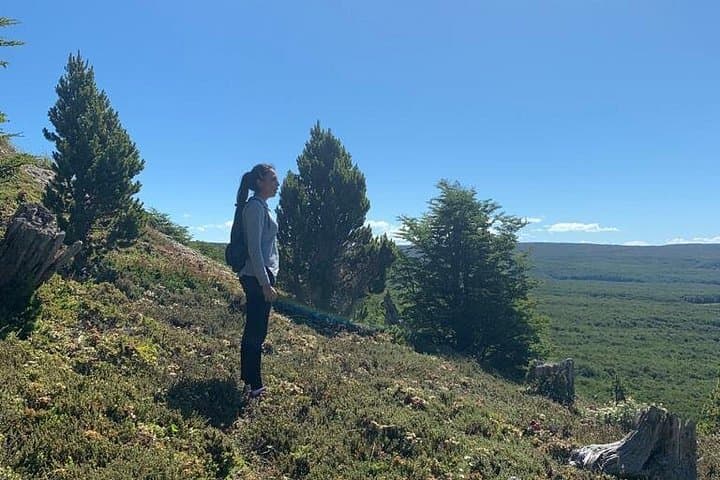
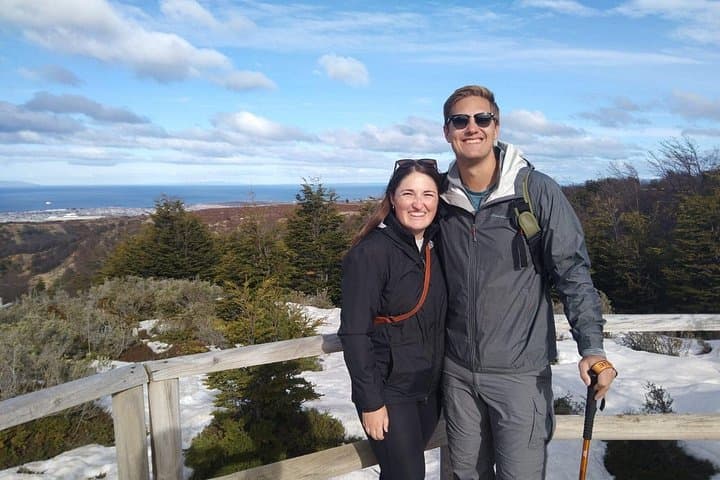
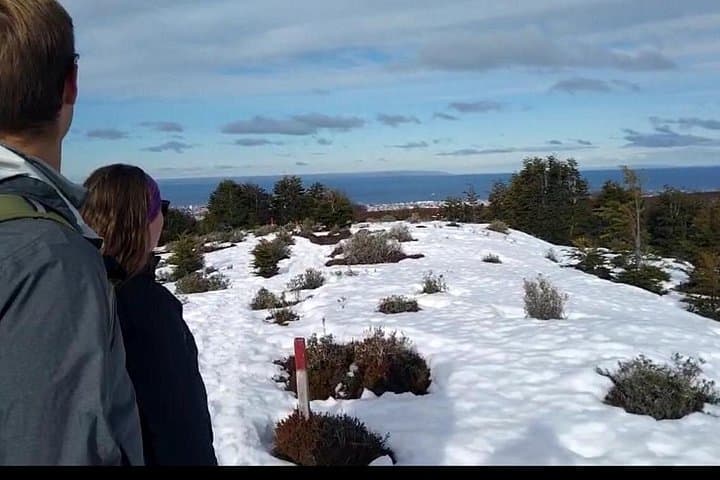
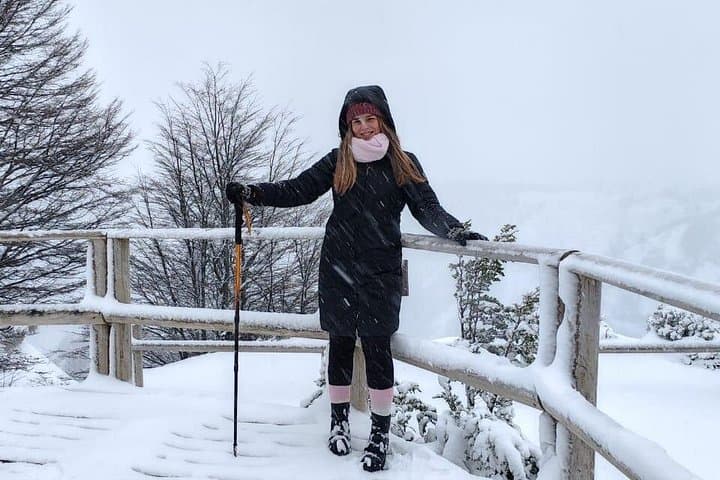
A cold wind from the Strait of Magellan greets the van as it leaves Punta Arenas and climbs toward the forested rim of the Magallanes National Reserve. Pines and low subantarctic shrubs lean into the breeze; the guide points out clumps of calafate and romerillo that color the undergrowth in spring and tells stories of early settlers who mapped these shores.
A cold wind from the Strait of Magellan greets the van as it leaves Punta Arenas and climbs toward the forested rim of the Magallanes National Reserve. Pines and low subantarctic shrubs lean into the breeze; the guide points out clumps of calafate and romerillo that color the undergrowth in spring and tells stories of early settlers who mapped these shores.
The tour pairs natural and urban history. In the reserve, a one-hour walk moves across compacted earth and low scrub where roughly 200 plant species—michay, sarsaparilla among them—bloom in favorable months. Geologically, the coastline is shaped by glacially carved fjords and wind-polished hills; from Cerro de la Cruz in the city you can see the channel that opened global trade routes centuries ago. Back in Punta Arenas, Plaza Muñoz Gamero and the French-designed Sara Braun Palace recount the salt-and-wealth era of late 19th-century sheep barons.
Practicalities are straightforward: the shared tour runs about 4–5 hours with air-conditioned transport and a local guide. Walks are short but can be exposed—pack a windproof layer, sturdy shoes, water and a camera with spare batteries. Expect variable weather; plan for strong sun with wind protection. Mobility access is available for much of the route, but some reserve paths are uneven. Bring identification and required traveler details ahead of time for booking. The itinerary balances close-up natural observation with clear, panoramic city views—good for travelers who want both ecological context and cultural landmarks in a single half-day outing.