THE ADVENTURE COLLECTIVE® · Independent discovery and booking for outdoor travel

Set off from Puerto Chale into Bahía Magdalena for a focused two-hour panga trip to meet gray whales in their breeding lagoons. Guided by a marine biologist, these small-group outings prioritize safe, up-close wildlife viewing and education.
Set off from Puerto Chale into Bahía Magdalena for a focused two-hour panga trip to meet gray whales in their breeding lagoons. Guided by a marine biologist, these small-group outings prioritize safe, up-close wildlife viewing and education.
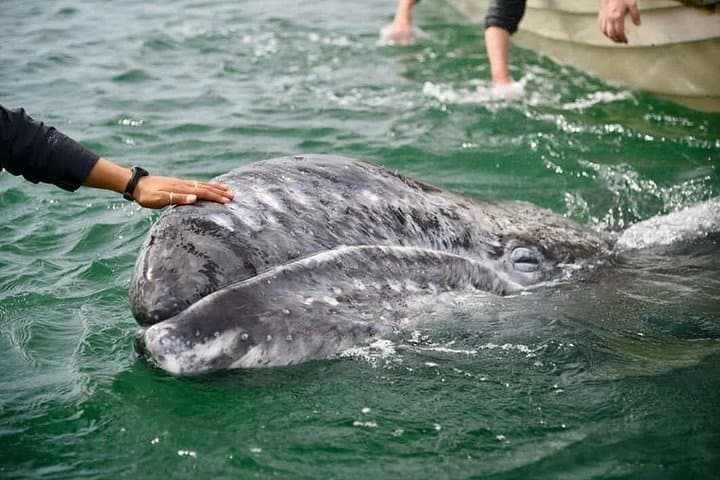
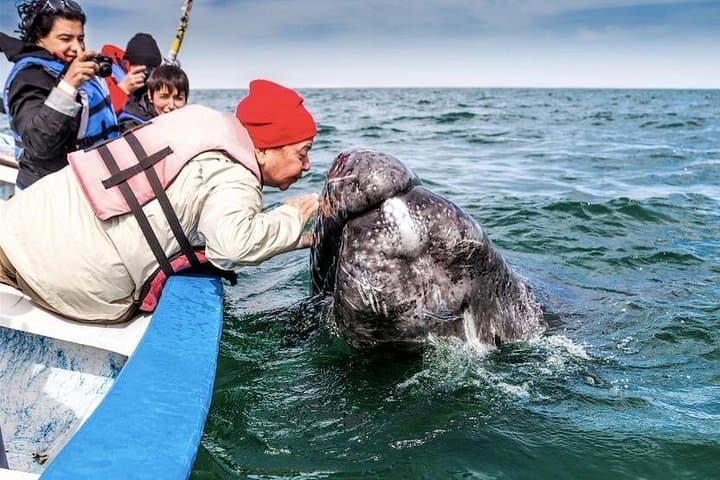
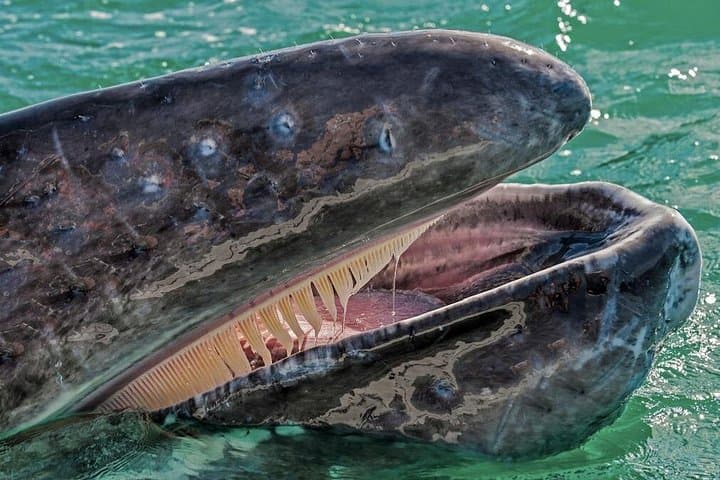
The air smells of salt and sun as a small panga slips away from Puerto Chale, engines muffled against the hush of the lagoon. Water opens around you and, minutes later, a gray flank breaks the surface—curious, slow, and improbably close. The bay’s shallow, warm waters give the animals a sheltered nursery where mothers and calves move deliberately, sometimes approaching the boat as if to inspect visitors.
Verified experiences and guided adventures in the surrounding area.
Operated by Mexico Travel Adventure · Puerto Chale, Baja California Sur
The air smells of salt and sun as a small panga slips away from Puerto Chale, engines muffled against the hush of the lagoon. Water opens around you and, minutes later, a gray flank breaks the surface—curious, slow, and improbably close. The bay’s shallow, warm waters give the animals a sheltered nursery where mothers and calves move deliberately, sometimes approaching the boat as if to inspect visitors.
Bahía Magdalena is shaped by Pleistocene tectonics and shifting sand bars; the lagoons formed behind wide coastal dunes where mangrove fingers thread into protected estuaries. Indigenous and fishing communities have used these coves for generations, and in the 20th century the lagoons became internationally known as key breeding grounds for eastern North Pacific gray whales.
On a guided two-hour outing with a marine biologist aboard a panga, expect focused wildlife interpretation alongside patient searching. Beyond the whales you’ll spot dolphin pods and seabird roosts around mangrove edges; guides choose locations based on tides, whale movement, and local knowledge to maximize sightings while minimizing disturbance.
Practical notes: trips run January–March when whales are present; small-group pangas are exposed to wind and spray, so dress in layers and expect a bumpier ride than large-boat tours. Carry sunscreen, water, and a camera with a fast lens. Follow the guide’s safety brief—approach distances and behavior rules are in place to protect animals and people.
This is a short, high-impact wildlife outing that rewards patience, good timing, and respect for the shore-born rhythms of Magdalena Bay.
January through March is the prime season; most guided trips operate within this window when whales are breeding and nursing in the lagoons.
Whales in these lagoons are known to approach small boats; guides follow local regulations and best practices to allow close, non-invasive encounters when whales choose to approach.
Yes—trips are family-friendly but infants must sit on an adult’s lap and all passengers should follow safety briefings; consider motion-sickness prevention for young children.
Expect common sightings of dolphins, shore and seabirds around mangroves, and occasionally other marine mammals depending on conditions.
Mexico Travel Adventure operates guided outdoor trips and adventures with an emphasis on safety, stewardship, and memorable experiences.

The air smells of salt and sun as a small panga slips away from Puerto Chale, engines muffled against the hush of the lagoon. Water opens around you and, minutes later, a gray flank breaks the surface—curious, slow, and improbably close. The bay’s shallow, warm waters give the animals a sheltered nursery where mothers and calves move deliberately, sometimes approaching the boat as if to inspect visitors.
The air smells of salt and sun as a small panga slips away from Puerto Chale, engines muffled against the hush of the lagoon. Water opens around you and, minutes later, a gray flank breaks the surface—curious, slow, and improbably close. The bay’s shallow, warm waters give the animals a sheltered nursery where mothers and calves move deliberately, sometimes approaching the boat as if to inspect visitors.
Bahía Magdalena is shaped by Pleistocene tectonics and shifting sand bars; the lagoons formed behind wide coastal dunes where mangrove fingers thread into protected estuaries. Indigenous and fishing communities have used these coves for generations, and in the 20th century the lagoons became internationally known as key breeding grounds for eastern North Pacific gray whales.
On a guided two-hour outing with a marine biologist aboard a panga, expect focused wildlife interpretation alongside patient searching. Beyond the whales you’ll spot dolphin pods and seabird roosts around mangrove edges; guides choose locations based on tides, whale movement, and local knowledge to maximize sightings while minimizing disturbance.
Practical notes: trips run January–March when whales are present; small-group pangas are exposed to wind and spray, so dress in layers and expect a bumpier ride than large-boat tours. Carry sunscreen, water, and a camera with a fast lens. Follow the guide’s safety brief—approach distances and behavior rules are in place to protect animals and people.
This is a short, high-impact wildlife outing that rewards patience, good timing, and respect for the shore-born rhythms of Magdalena Bay.