THE ADVENTURE COLLECTIVE® · Independent discovery and booking for outdoor travel

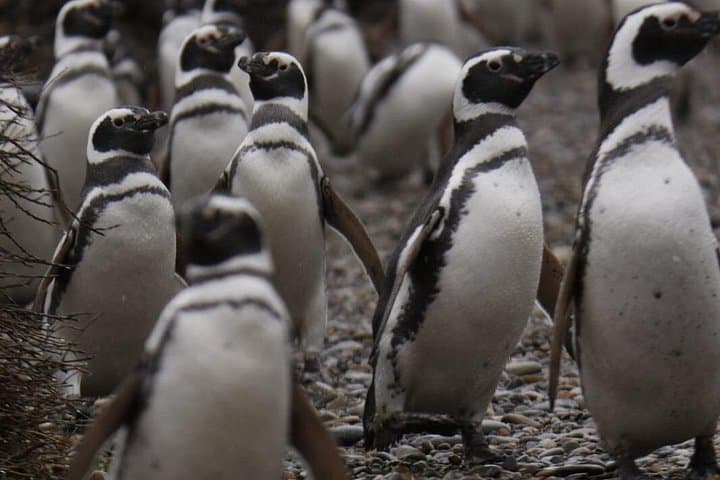
Cross the border from Punta Arenas for a long-day journey to Cabo Vírgenes, where hundreds of thousands of Magellanic penguins return to shore. Expect gravel roads, Atlantic wind, and close-up wildlife viewing with brief city stops in Río Gallegos.
Cross the border from Punta Arenas for a long-day journey to Cabo Vírgenes, where hundreds of thousands of Magellanic penguins return to shore. Expect gravel roads, Atlantic wind, and close-up wildlife viewing with brief city stops in Río Gallegos.
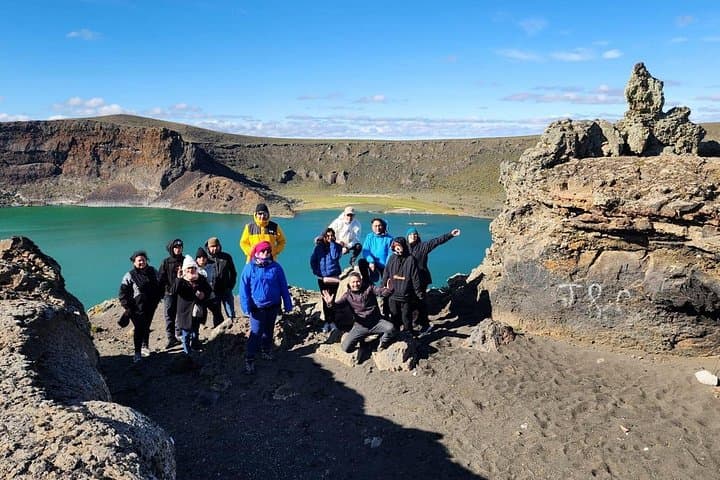
Before sunrise the minibus eases out of Punta Arenas and the Patagonian steppe stretches open—flat, wind-swept, and honest. The road drives you across the Chile–Argentina border, past the low, wind-carved cones of the Pali Aike volcanic field to Laguna Azul, a bright crater pool that feels like an inland sea daring the horizon.
Verified experiences and guided adventures in the surrounding area.
Operated by Turismo Paisaje Austral · Punta Arenas, Magallanes y la Antártica Chilena
Before sunrise the minibus eases out of Punta Arenas and the Patagonian steppe stretches open—flat, wind-swept, and honest. The road drives you across the Chile–Argentina border, past the low, wind-carved cones of the Pali Aike volcanic field to Laguna Azul, a bright crater pool that feels like an inland sea daring the horizon.
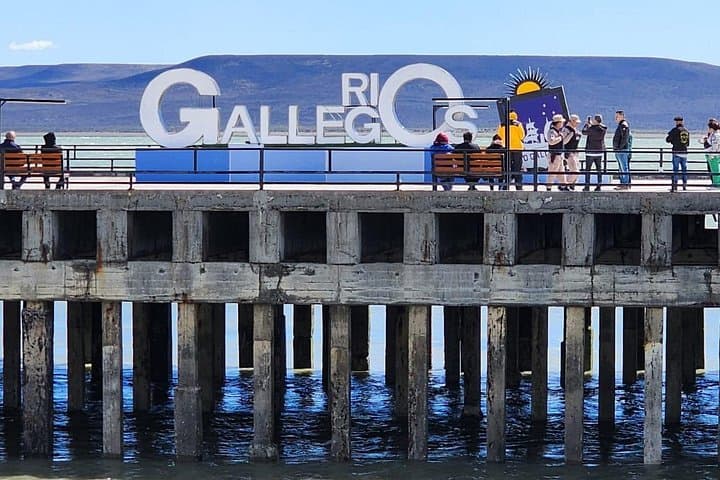
History here is compact and visible: sheep runs, frontier towns, and the lighthouse at Cabo Vírgenes marking where land gives way to the South Atlantic. Geology is older—basalt flows and scoria rings that formed the plateau you cross. Culture arrives in small doses at Río Gallegos, a working port city where gaucho influence and coastal fisheries meet over a lunch stop before the final leg.
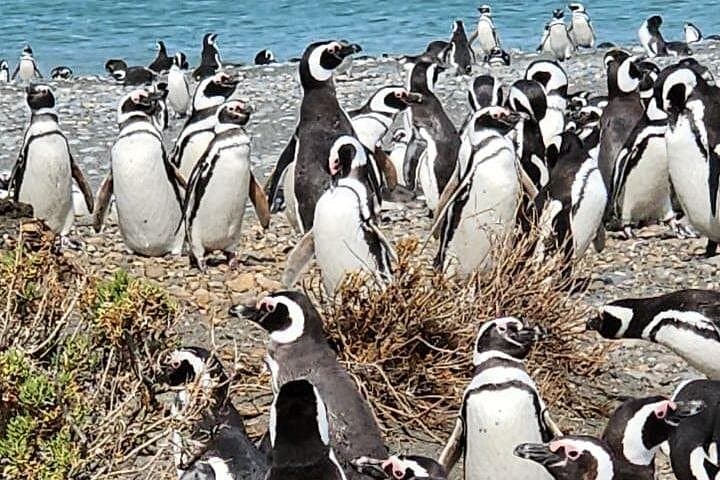
The destination is unmistakable: Cabo Vírgenes, where colonies of Magellanic penguins return to earthen burrows and rocky shores. The reserve sits a long gravel drive from Río Gallegos (roughly 130 km) and offers boardwalks and observation points—easy walking, powerful viewing. Expect raw winds, salt-scented air, and the steady shuffle of penguins tending nests.
Practical guide: this is a full-day, cross-border excursion (about 18 hours total). Bring your passport for the formalities, layers for abrupt wind and sun, sturdy shoes for uneven ground, and binoculars for distant viewing. Facilities at the site are minimal; pack water, sun protection, and patience—the wildlife sets the schedule. The trip suits travelers wanting wildlife viewing without long hikes, but be prepared for lengthy drives on gravel roads and variable weather.
Visa requirements depend on your nationality; bring your passport and check entry rules for Argentina in advance—tour operators cannot alter immigration rules.
The full tour includes about 18 hours of travel and visits—roughly 260 km to Río Gallegos and another 130 km to Cabo Vírgenes, with significant time on gravel roads.
Facilities at Cabo Vírgenes are limited; the tour includes a lunch stop in Río Gallegos, but bring water and snacks for the reserve visit.
Magellanic penguins nest in large colonies; boardwalks and observation points allow good views, but exact proximity varies and wildlife behavior is unpredictable.
Turismo Paisaje Austral operates guided outdoor trips and adventures with an emphasis on safety, stewardship, and memorable experiences.
Before sunrise the minibus eases out of Punta Arenas and the Patagonian steppe stretches open—flat, wind-swept, and honest. The road drives you across the Chile–Argentina border, past the low, wind-carved cones of the Pali Aike volcanic field to Laguna Azul, a bright crater pool that feels like an inland sea daring the horizon.
Before sunrise the minibus eases out of Punta Arenas and the Patagonian steppe stretches open—flat, wind-swept, and honest. The road drives you across the Chile–Argentina border, past the low, wind-carved cones of the Pali Aike volcanic field to Laguna Azul, a bright crater pool that feels like an inland sea daring the horizon.
History here is compact and visible: sheep runs, frontier towns, and the lighthouse at Cabo Vírgenes marking where land gives way to the South Atlantic. Geology is older—basalt flows and scoria rings that formed the plateau you cross. Culture arrives in small doses at Río Gallegos, a working port city where gaucho influence and coastal fisheries meet over a lunch stop before the final leg.
The destination is unmistakable: Cabo Vírgenes, where colonies of Magellanic penguins return to earthen burrows and rocky shores. The reserve sits a long gravel drive from Río Gallegos (roughly 130 km) and offers boardwalks and observation points—easy walking, powerful viewing. Expect raw winds, salt-scented air, and the steady shuffle of penguins tending nests.
Practical guide: this is a full-day, cross-border excursion (about 18 hours total). Bring your passport for the formalities, layers for abrupt wind and sun, sturdy shoes for uneven ground, and binoculars for distant viewing. Facilities at the site are minimal; pack water, sun protection, and patience—the wildlife sets the schedule. The trip suits travelers wanting wildlife viewing without long hikes, but be prepared for lengthy drives on gravel roads and variable weather.