THE ADVENTURE COLLECTIVE® · Independent discovery and booking for outdoor travel

A nearly perfect crescent of white sand and calm turquoise water, Magen's Bay on St. Thomas is an ideal half-day escape for swimmers and snorkelers. Read on for what to expect, how to plan your visit, and practical tips to make the most of this protected Caribbean bay.
A nearly perfect crescent of white sand and calm turquoise water, Magen's Bay on St. Thomas is an ideal half-day escape for swimmers and snorkelers. Read on for what to expect, how to plan your visit, and practical tips to make the most of this protected Caribbean bay.
By the time the ferry slips into the bay, the water has already started to write its own invitation: a ribbon of pale turquoise pushing gently toward the sugar-white sand. At Magen's Bay—the wide, protected curve on St. Thomas’s north shore—visitors trade the island’s rugged cliffs for an expanse of calm water hemmed by the low shoulders of Peterborg peninsula and Tropaco Point. It’s a beach that asks for nothing more complicated than a towel, a snorkel, and a willingness to untie the tempo of the day.
Verified experiences and guided adventures in the surrounding area.
Operated by Great Exploration Tours · Magens Bay, U.S. Virgin Islands
By the time the ferry slips into the bay, the water has already started to write its own invitation: a ribbon of pale turquoise pushing gently toward the sugar-white sand. At Magen's Bay—the wide, protected curve on St. Thomas’s north shore—visitors trade the island’s rugged cliffs for an expanse of calm water hemmed by the low shoulders of Peterborg peninsula and Tropaco Point. It’s a beach that asks for nothing more complicated than a towel, a snorkel, and a willingness to untie the tempo of the day.
The bay’s shallow arc stretches roughly 0.4 km and has long been a favorite for both locals and cruise passengers. Geologically, the shoreline is a product of volcanic uplift and sediment settling that created a natural bowl where waves lose their teeth; the result is safe swimming and clear visibility that makes snorkeling rewarding even for beginners. The adjacent arboretum and mangrove fringe tell a quieter story: introduced and native species, some cultivated decades ago, that now shade the trail and host small flocks of birds and the occasional green iguana.
Culturally, Magen's Bay operates like a public beach park—managed access, modest facilities, and local vendors who rent chairs and umbrellas or sell casual lunches. Cruise-ship rhythms shape one part of the day; early mornings are quieter, late mornings through early afternoons are busiest. The managers’ decisions to protect the shoreline and control development mean this remains one of the most photographed and visited beaches on the island, but also one of the best preserved.
For planning: expect a roughly three- to four-hour visit when booked through a standard beach tour. Most operators include transport from major hotels and cruise terminals; confirm pickup details at least 24–72 hours ahead depending on arrival mode. Bring reef-safe sunscreen, a refillable water bottle, a lightweight sun shelter if you prefer shade, and modest cash for entry fees, rentals, and snacks. Footwear with grip is handy for the arboretum trail, which can be rooty and shaded.
Timing changes everything here: sunrise and early morning give a quiet, glassy bay perfect for wide-angle photos and first swims; late afternoon softens the light and drops the heat. Respect the mangroves and the posted rules—no feeding wildlife, and keep trash stowed. With practical preparation, Magen's Bay becomes more than a postcard stop: it’s a full, slow day where the sea dares a swimmer and the trees offer a cool, deliberate counterpoint to island sun.
Yes—Magen's Bay is managed as a beach park and charges a modest entrance fee; have small cash available as policies and exact amounts can change.
Basic facilities like restrooms, outdoor showers, and casual snack vendors are available, plus chair and umbrella rentals from local vendors.
Absolutely—this protected bay offers calm water and decent visibility close to shore, suitable for beginners; bring a mask or rent one locally.
Yes—shallow water and a gradual shoreline make it a safe choice for families with children, though supervision and sun protection are still essential.
Meeting instructions are provided by the operator—common pickup points include the shopping areas at cruise terminals; allow extra time for disembarkation.
Lifeguard presence can vary by season and park staffing—check current conditions before swimming and stay within the designated swimming areas.
Great Exploration Tours operates guided outdoor trips and adventures with an emphasis on safety, stewardship, and memorable experiences.
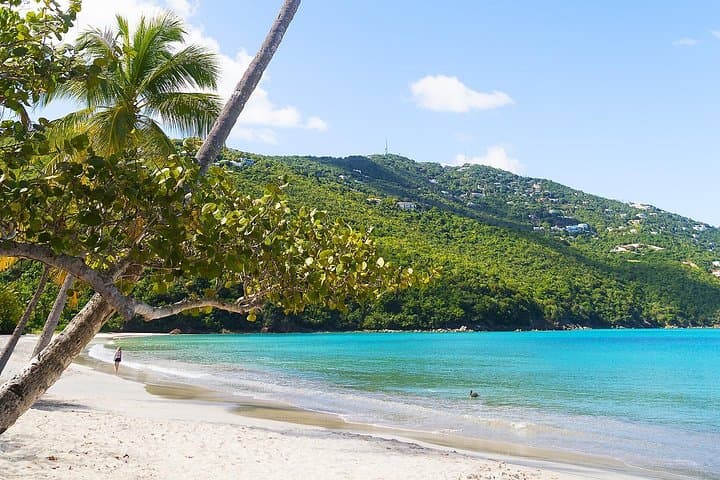
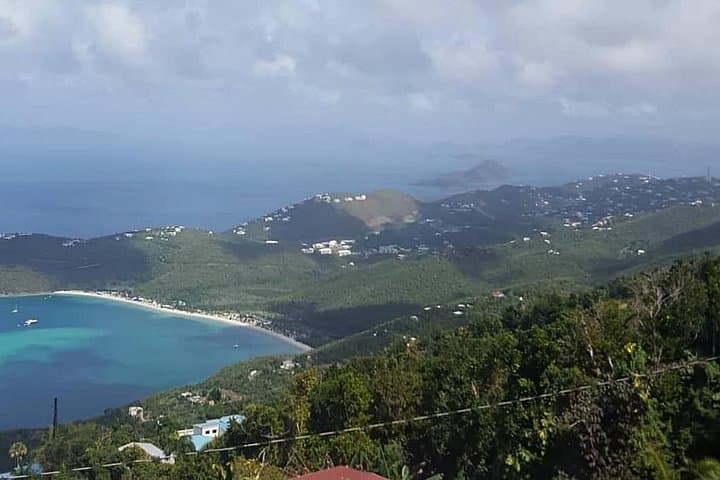
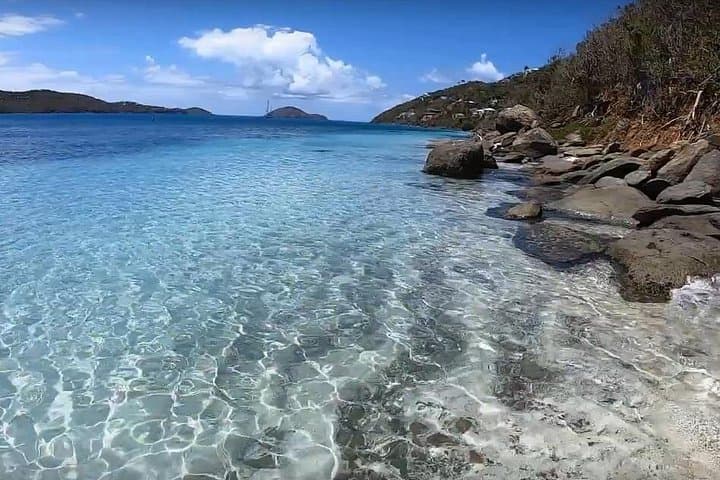
By the time the ferry slips into the bay, the water has already started to write its own invitation: a ribbon of pale turquoise pushing gently toward the sugar-white sand. At Magen's Bay—the wide, protected curve on St. Thomas’s north shore—visitors trade the island’s rugged cliffs for an expanse of calm water hemmed by the low shoulders of Peterborg peninsula and Tropaco Point. It’s a beach that asks for nothing more complicated than a towel, a snorkel, and a willingness to untie the tempo of the day.
By the time the ferry slips into the bay, the water has already started to write its own invitation: a ribbon of pale turquoise pushing gently toward the sugar-white sand. At Magen's Bay—the wide, protected curve on St. Thomas’s north shore—visitors trade the island’s rugged cliffs for an expanse of calm water hemmed by the low shoulders of Peterborg peninsula and Tropaco Point. It’s a beach that asks for nothing more complicated than a towel, a snorkel, and a willingness to untie the tempo of the day.
The bay’s shallow arc stretches roughly 0.4 km and has long been a favorite for both locals and cruise passengers. Geologically, the shoreline is a product of volcanic uplift and sediment settling that created a natural bowl where waves lose their teeth; the result is safe swimming and clear visibility that makes snorkeling rewarding even for beginners. The adjacent arboretum and mangrove fringe tell a quieter story: introduced and native species, some cultivated decades ago, that now shade the trail and host small flocks of birds and the occasional green iguana.
Culturally, Magen's Bay operates like a public beach park—managed access, modest facilities, and local vendors who rent chairs and umbrellas or sell casual lunches. Cruise-ship rhythms shape one part of the day; early mornings are quieter, late mornings through early afternoons are busiest. The managers’ decisions to protect the shoreline and control development mean this remains one of the most photographed and visited beaches on the island, but also one of the best preserved.
For planning: expect a roughly three- to four-hour visit when booked through a standard beach tour. Most operators include transport from major hotels and cruise terminals; confirm pickup details at least 24–72 hours ahead depending on arrival mode. Bring reef-safe sunscreen, a refillable water bottle, a lightweight sun shelter if you prefer shade, and modest cash for entry fees, rentals, and snacks. Footwear with grip is handy for the arboretum trail, which can be rooty and shaded.
Timing changes everything here: sunrise and early morning give a quiet, glassy bay perfect for wide-angle photos and first swims; late afternoon softens the light and drops the heat. Respect the mangroves and the posted rules—no feeding wildlife, and keep trash stowed. With practical preparation, Magen's Bay becomes more than a postcard stop: it’s a full, slow day where the sea dares a swimmer and the trees offer a cool, deliberate counterpoint to island sun.