THE ADVENTURE COLLECTIVE® · Independent discovery and booking for outdoor travel

Spend a day moving from the jewel-toned terraces of Pena Palace to wind-buffeted cliffs at Cabo da Roca, with stops for mysterious wells and seaside Cascais. This small-group tour pairs history, dramatic geology and practical logistics for a tight, rewarding itinerary from Lisbon.
Spend a day moving from the jewel-toned terraces of Pena Palace to wind-buffeted cliffs at Cabo da Roca, with stops for mysterious wells and seaside Cascais. This small-group tour pairs history, dramatic geology and practical logistics for a tight, rewarding itinerary from Lisbon.
A chill Atlantic wind pushes through the pines above Sintra as a low, coral palace peeks through the fog—its domes and crenellations wearing color like armor. On a good day the light slants across tile and painted stone, and the hill opens up to reveal terraces, exotic gardens and the sense that someone once designed this place to be extraordinary. This full-day run from Lisbon stitches together that high-romantic pleasure with the raw edge of Portugal’s western coast: Pena Palace, the underground wells of Quinta da Regaleira, the cliff drama at Cabo da Roca, and the easy, salty calm of Cascais.
Verified experiences and guided adventures in the surrounding area.
Operated by The Grand Lisbon Tour · Sintra, Lisbon
A chill Atlantic wind pushes through the pines above Sintra as a low, coral palace peeks through the fog—its domes and crenellations wearing color like armor. On a good day the light slants across tile and painted stone, and the hill opens up to reveal terraces, exotic gardens and the sense that someone once designed this place to be extraordinary. This full-day run from Lisbon stitches together that high-romantic pleasure with the raw edge of Portugal’s western coast: Pena Palace, the underground wells of Quinta da Regaleira, the cliff drama at Cabo da Roca, and the easy, salty calm of Cascais.
Sintra sits on ancient granite that resisted the Atlantic’s pull, rising into rounded hills ringed by forest. In the 19th century it caught the imagination of Portuguese royalty and foreign romantics who grafted Gothic towers, Moorish arches and Moorish-inspired tiles onto medieval remains. The region’s geology—the same hard stone that formed the Sintra Massif—gives the coast its abrupt cliffs and pebble beaches, where waves scrape the shore and seabirds wheel.
Cultural threads run tight here: Portuguese pastry shops still sell queijadas and travesseiros the way they did for generations, and Quinta da Regaleira’s Initiation Well hints at secret societies and esoteric architecture, an eccentric counterpoint to the pomp of Pena. Cabo da Roca, the continent’s westernmost point, is blunt and public—signs, windswept grasses and the Atlantic daring you to stand closer to the edge.
Practical planning keeps the day smooth. Expect a 7–8 hour outing with moderate walking—stone steps at Pena and narrow paths at Regaleira—so wear grippy shoes and layers against coastal wind. The tour includes private transport and bottled water; bring a small daypack for camera, sunscreen and a light rain shell. Typical pacing allows 60–90 minutes at the major palaces and a lunch break in Sintra’s historic center; entry fees are usually not included, so pre-book Pena Palace if you want guaranteed skip-the-line access.
Timing matters: morning light softens Pena’s colors and late afternoon flattens the crowds at Cascais. For photographers, the palace terraces, Regaleira’s spirals and the cliff edge at Cabo da Roca are the day’s visual anchors. Respect the landscape: stay on paths, carry out waste, and keep voices low in the gardens so the place’s strange, layered history stays intact for the next traveler.
This route is ideal for curious travelers who want a single-day immersion into Portugal’s dramatic contrasts—architectural whimsy in a forested hill, then salt and surf where Europe gives way to the ocean.
Entrance fees are typically not included—check your booking details and book Pena Palace tickets in advance if you want skip-the-line access.
Expect moderate walking: short uphill climbs, many steps at Pena and Regaleira, and brief walks along coastal viewpoints; nothing technical but some uneven terrain.
The tour is family-friendly but many palace gardens and wells have stairs and narrow paths; strollers are not practical inside the monuments.
Meet-up details are given by the operator—usually at a designated point near a train station in Lisbon; the tour returns via Cascais where you can catch a train back to Lisbon.
The itinerary includes a lunch break in Sintra; you can buy regional pastries or eat at local cafés—bring cash or card depending on the restaurant.
The operator may cancel for severe weather to ensure safety; mild rain usually won’t stop the tour but expect wind at coastal stops.
The Grand Lisbon Tour operates guided outdoor trips and adventures with an emphasis on safety, stewardship, and memorable experiences.
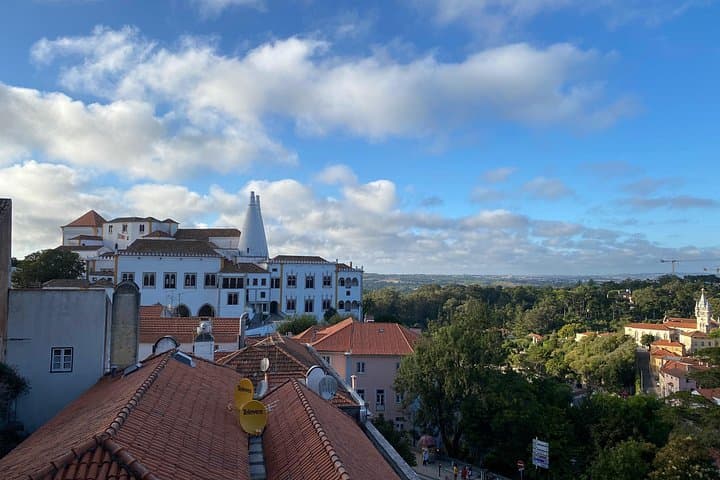
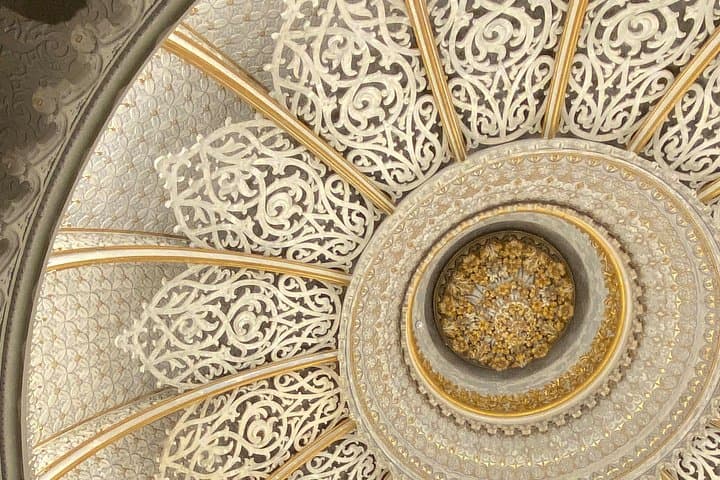
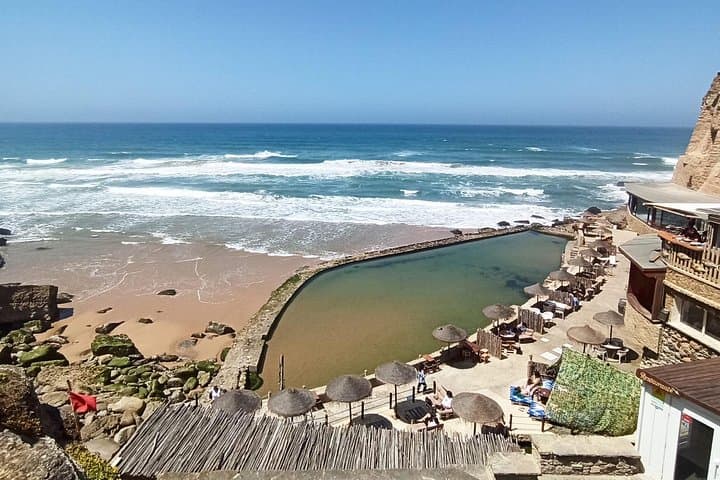
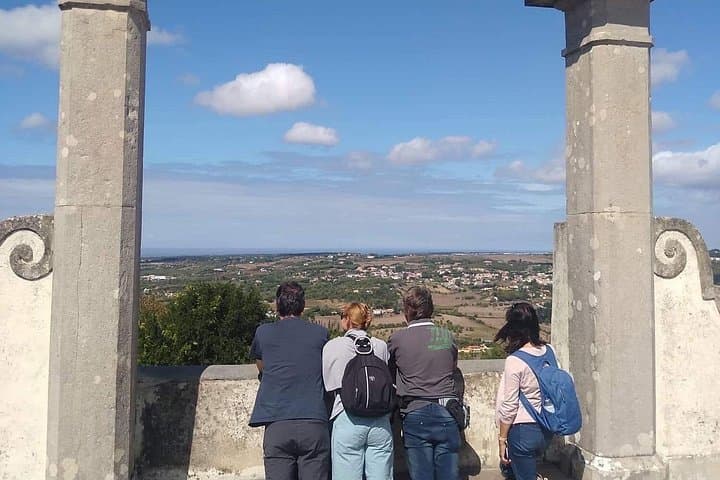
A chill Atlantic wind pushes through the pines above Sintra as a low, coral palace peeks through the fog—its domes and crenellations wearing color like armor. On a good day the light slants across tile and painted stone, and the hill opens up to reveal terraces, exotic gardens and the sense that someone once designed this place to be extraordinary. This full-day run from Lisbon stitches together that high-romantic pleasure with the raw edge of Portugal’s western coast: Pena Palace, the underground wells of Quinta da Regaleira, the cliff drama at Cabo da Roca, and the easy, salty calm of Cascais.
A chill Atlantic wind pushes through the pines above Sintra as a low, coral palace peeks through the fog—its domes and crenellations wearing color like armor. On a good day the light slants across tile and painted stone, and the hill opens up to reveal terraces, exotic gardens and the sense that someone once designed this place to be extraordinary. This full-day run from Lisbon stitches together that high-romantic pleasure with the raw edge of Portugal’s western coast: Pena Palace, the underground wells of Quinta da Regaleira, the cliff drama at Cabo da Roca, and the easy, salty calm of Cascais.
Sintra sits on ancient granite that resisted the Atlantic’s pull, rising into rounded hills ringed by forest. In the 19th century it caught the imagination of Portuguese royalty and foreign romantics who grafted Gothic towers, Moorish arches and Moorish-inspired tiles onto medieval remains. The region’s geology—the same hard stone that formed the Sintra Massif—gives the coast its abrupt cliffs and pebble beaches, where waves scrape the shore and seabirds wheel.
Cultural threads run tight here: Portuguese pastry shops still sell queijadas and travesseiros the way they did for generations, and Quinta da Regaleira’s Initiation Well hints at secret societies and esoteric architecture, an eccentric counterpoint to the pomp of Pena. Cabo da Roca, the continent’s westernmost point, is blunt and public—signs, windswept grasses and the Atlantic daring you to stand closer to the edge.
Practical planning keeps the day smooth. Expect a 7–8 hour outing with moderate walking—stone steps at Pena and narrow paths at Regaleira—so wear grippy shoes and layers against coastal wind. The tour includes private transport and bottled water; bring a small daypack for camera, sunscreen and a light rain shell. Typical pacing allows 60–90 minutes at the major palaces and a lunch break in Sintra’s historic center; entry fees are usually not included, so pre-book Pena Palace if you want guaranteed skip-the-line access.
Timing matters: morning light softens Pena’s colors and late afternoon flattens the crowds at Cascais. For photographers, the palace terraces, Regaleira’s spirals and the cliff edge at Cabo da Roca are the day’s visual anchors. Respect the landscape: stay on paths, carry out waste, and keep voices low in the gardens so the place’s strange, layered history stays intact for the next traveler.
This route is ideal for curious travelers who want a single-day immersion into Portugal’s dramatic contrasts—architectural whimsy in a forested hill, then salt and surf where Europe gives way to the ocean.