THE ADVENTURE COLLECTIVE® · Independent discovery and booking for outdoor travel

A calm, culture-rich shore excursion from Kuşadası that pairs the under-visited ruins of Magnesia with the Çamlık Steam Train Museum and an optional traditional Turkish bath—perfect for history lovers who want relaxed pacing and local flavor.
A calm, culture-rich shore excursion from Kuşadası that pairs the under-visited ruins of Magnesia with the Çamlık Steam Train Museum and an optional traditional Turkish bath—perfect for history lovers who want relaxed pacing and local flavor.
You step off the tender and the Aegean breeze pushes inland toward olive-scrub hills; within an hour the road winds away from the port and the past starts to appear in stone. The ruined colonnades and broad stadium at Magnesia unfold across a low plain, their reliefs catching light like pages from an old atlas. Later, iron and steam line up in the quiet yards of Çamlık Train Museum, where locomotives sit as artifacts of Türkiye’s 19th-century industrial pulse. Finish with a ritual: the steam, the kese scrub and the foam of a traditional hammam to loosen travel dust and salt.
Verified experiences and guided adventures in the surrounding area.
Operated by SeaDrop Travel · Kuşadası, Aydın
You step off the tender and the Aegean breeze pushes inland toward olive-scrub hills; within an hour the road winds away from the port and the past starts to appear in stone. The ruined colonnades and broad stadium at Magnesia unfold across a low plain, their reliefs catching light like pages from an old atlas. Later, iron and steam line up in the quiet yards of Çamlık Train Museum, where locomotives sit as artifacts of Türkiye’s 19th-century industrial pulse. Finish with a ritual: the steam, the kese scrub and the foam of a traditional hammam to loosen travel dust and salt.
Magnesia on the Maeander was founded by Magnetes from Thessaly and thrived under Greek and Roman rule; its stadium and agora speak to athletic contests and civic life. Geologically this stretch of Aydın province is a sedimentary plain carved by the Maeander River system, which helped shape trade routes and settlement patterns. Local crafts and a cooperative lunch offer a concrete cultural connection—textiles, ceramics and regional cuisine that reflect Aegean flavors.
Practical guide: expect mostly flat walking on packed earth and broken stone; comfortable shoes and a sun hat matter more than technical gear. The tour runs about seven hours with guided exploration, a museum visit, lunch and optional hammam time. Mobility access is generally good on the vehicle and many stops accommodate limited mobility, but ruins have uneven surfaces. Bring a water bottle, small cash for markets, and a camera with extra battery—the lighting on the stadium is best mid-afternoon. For cruise passengers this itinerary balances archaeology, local history and a tactile end-of-day unwind—manageable, instructive and quietly atmospheric.
Pickup from the cruise port is roughly 30–40 minutes by private vehicle to Magnesia, depending on traffic.
The hammam is optional—selected treatments may be an extra charge paid locally or arranged in advance through the operator.
Admission to Magnesia is included in the guided visit; the Çamlık Train Museum is typically visited but check the operator for current entry arrangements.
Yes—pacing is relaxed, and the tour is advertised as accessible to all fitness levels, though ruins have uneven ground that may challenge some mobility issues.
SeaDrop Travel operates guided outdoor trips and adventures with an emphasis on safety, stewardship, and memorable experiences.
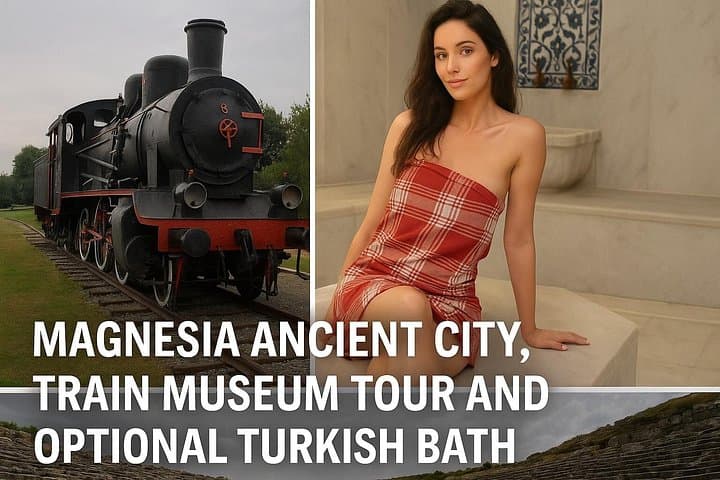
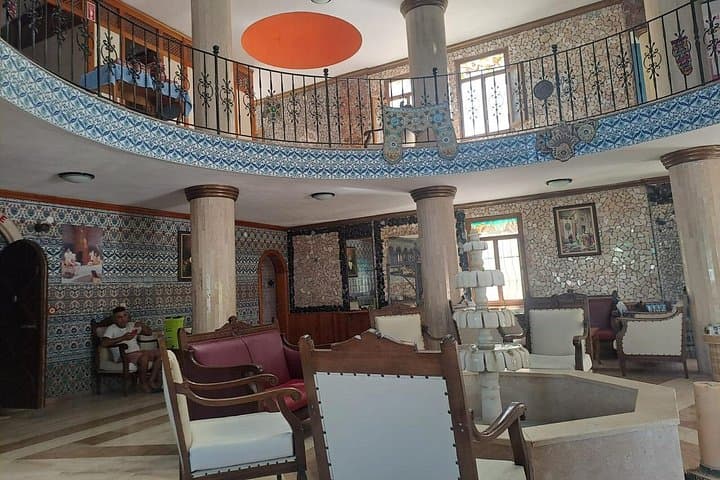
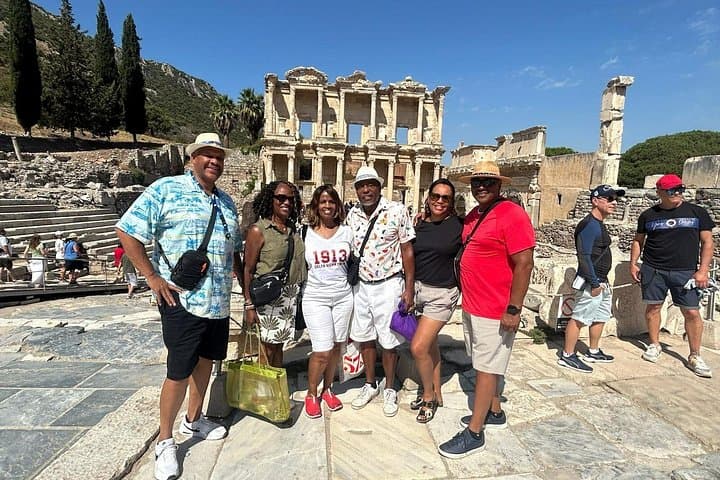
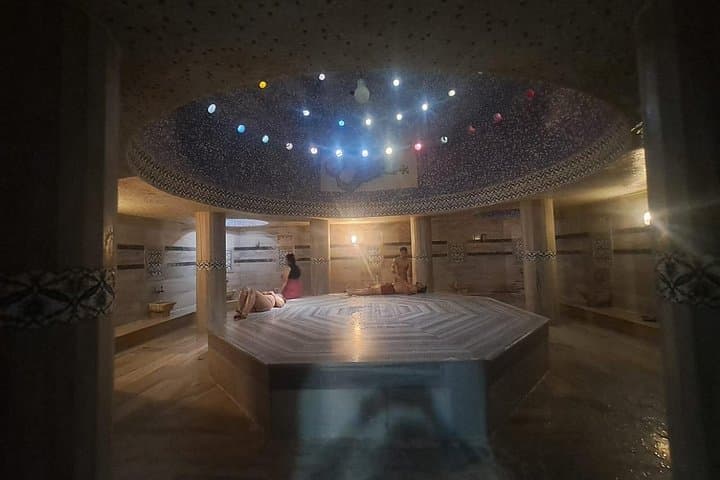
You step off the tender and the Aegean breeze pushes inland toward olive-scrub hills; within an hour the road winds away from the port and the past starts to appear in stone. The ruined colonnades and broad stadium at Magnesia unfold across a low plain, their reliefs catching light like pages from an old atlas. Later, iron and steam line up in the quiet yards of Çamlık Train Museum, where locomotives sit as artifacts of Türkiye’s 19th-century industrial pulse. Finish with a ritual: the steam, the kese scrub and the foam of a traditional hammam to loosen travel dust and salt.
You step off the tender and the Aegean breeze pushes inland toward olive-scrub hills; within an hour the road winds away from the port and the past starts to appear in stone. The ruined colonnades and broad stadium at Magnesia unfold across a low plain, their reliefs catching light like pages from an old atlas. Later, iron and steam line up in the quiet yards of Çamlık Train Museum, where locomotives sit as artifacts of Türkiye’s 19th-century industrial pulse. Finish with a ritual: the steam, the kese scrub and the foam of a traditional hammam to loosen travel dust and salt.
Magnesia on the Maeander was founded by Magnetes from Thessaly and thrived under Greek and Roman rule; its stadium and agora speak to athletic contests and civic life. Geologically this stretch of Aydın province is a sedimentary plain carved by the Maeander River system, which helped shape trade routes and settlement patterns. Local crafts and a cooperative lunch offer a concrete cultural connection—textiles, ceramics and regional cuisine that reflect Aegean flavors.
Practical guide: expect mostly flat walking on packed earth and broken stone; comfortable shoes and a sun hat matter more than technical gear. The tour runs about seven hours with guided exploration, a museum visit, lunch and optional hammam time. Mobility access is generally good on the vehicle and many stops accommodate limited mobility, but ruins have uneven surfaces. Bring a water bottle, small cash for markets, and a camera with extra battery—the lighting on the stadium is best mid-afternoon. For cruise passengers this itinerary balances archaeology, local history and a tactile end-of-day unwind—manageable, instructive and quietly atmospheric.