THE ADVENTURE COLLECTIVE® · Independent discovery and booking for outdoor travel

Walk an atmospheric 7.8 km of the historic Nakasendō between Magome and Tsumago on a full‑day guided trip from Nagoya. Expect forested trail, stone steps, local Hoba Miso lunch, and preserved Edo‑period post towns.
Walk an atmospheric 7.8 km of the historic Nakasendō between Magome and Tsumago on a full‑day guided trip from Nagoya. Expect forested trail, stone steps, local Hoba Miso lunch, and preserved Edo‑period post towns.
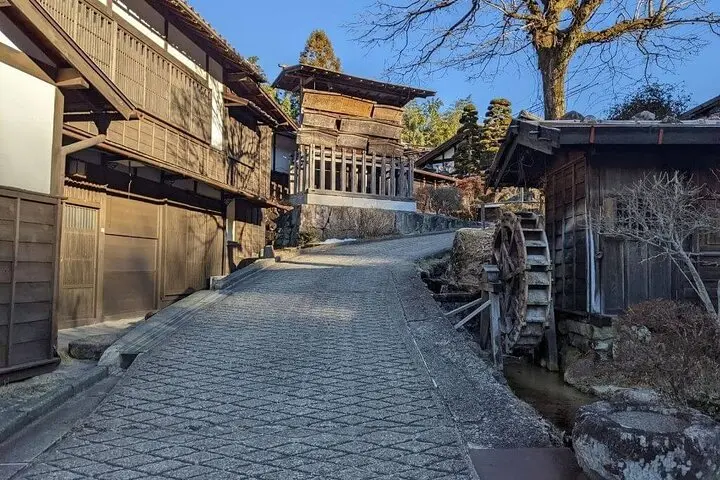
You step off the morning train and the modern hum of Nagoya fades as the valley air fills your lungs. Cobblestone lanes rise and fall; the trail threads through cedar shade and past old stone steps, carrying you between two living Edo‑period post towns. The sound of distant water and a soft breeze through bamboo plants set the pace.
Verified experiences and guided adventures in the surrounding area.
Operated by Nagoya is not boring · Nakatsugawa, Gifu Prefecture
You step off the morning train and the modern hum of Nagoya fades as the valley air fills your lungs. Cobblestone lanes rise and fall; the trail threads through cedar shade and past old stone steps, carrying you between two living Edo‑period post towns. The sound of distant water and a soft breeze through bamboo plants set the pace.
The route follows the historic Nakasendō, the inland corridor that linked Edo (Tokyo) and Kyoto in the Edo period. Magome and Tsumago survived modernization by preserving wooden merchant houses and strict local rules that keep vehicular traffic out of the cores. The geology here is folded, weathered hilly terrain—granite and metamorphic outcrops that feed clear mountain streams and support dense mixed forest.
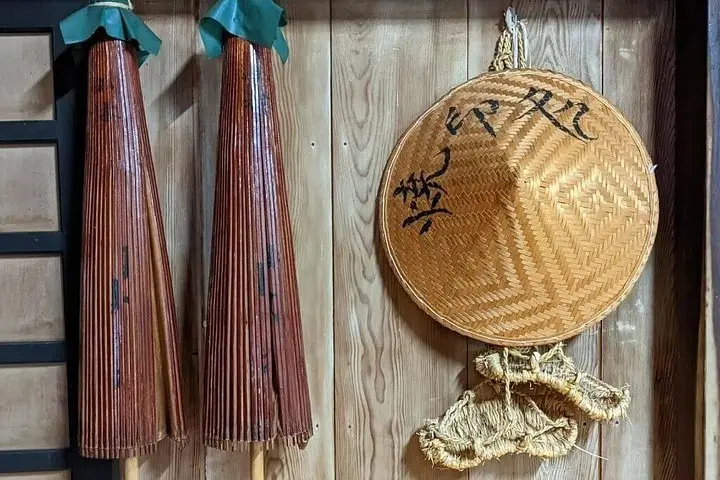
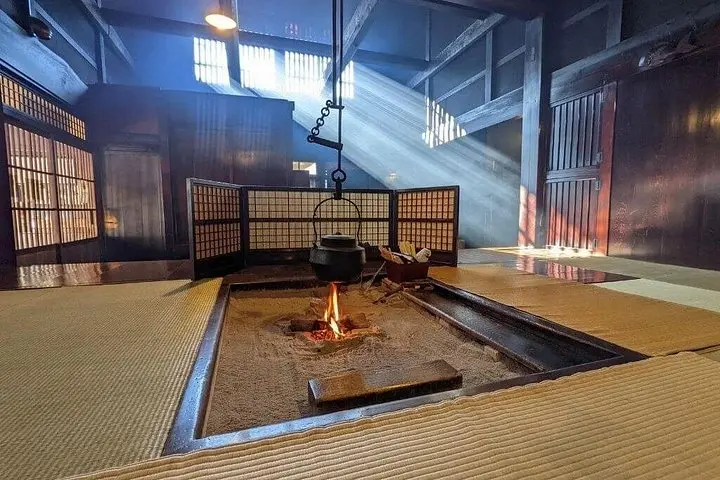
Culturally the day is part walk, part living‑museum: inns (ryokan) offering Hoba Miso, small merchant shops, and the Wakihonjin museum in Tsumago which explains the lodging systems of old. Locals balance tourism with preservation; small‑scale eateries and craft shops line the approach to each town.
Practical guidance: the trail between Magome and Tsumago is about 7.8 km with intermittent climbs and stone stair sections—plan 2–3 hours for the hike, longer with stops. Wear grippy shoes, carry water and cash for snacks, and time your return train from Nagiso or plan the guided transfer back to Nagoya. Peak seasons bring crowds on weekends; early starts earn quieter paths and clearer views.
This is a moderate, heritage‑rich day hike that rewards simple preparation with crisp mountain air, regional flavors, and a tangible sense of Japan’s travel history.
The trail is approximately 7.8 km and typically takes 2–3 hours at a steady pace; allow additional time for stops, lunch and museum visits.
This tour begins and ends at Nagoya Station and includes the guided transfers described in the itinerary—confirm meeting point and train times with your operator.
Yes—this tour includes a Hoba Miso lunch at a ryokan and a wagashi snack set; notify your guide in advance for dietary restrictions.
The route has uneven surfaces and stone stairs so it’s best for those with moderate mobility; it is not recommended for wheelchairs or people with significant spinal or cardiovascular conditions.
Nagoya is not boring operates guided outdoor trips and adventures with an emphasis on safety, stewardship, and memorable experiences.
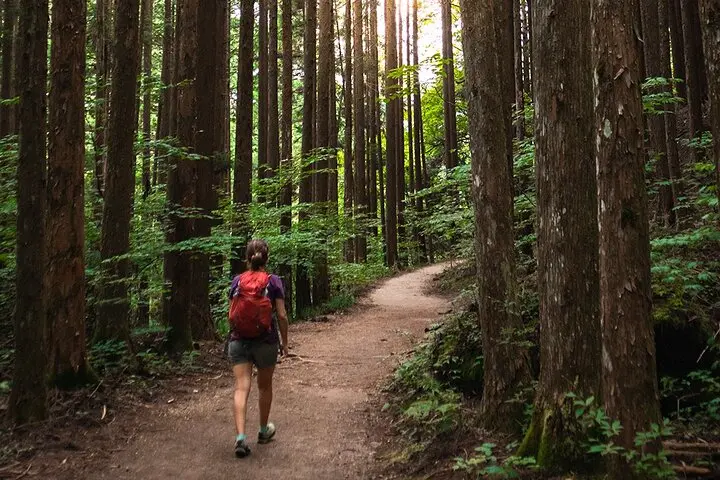
You step off the morning train and the modern hum of Nagoya fades as the valley air fills your lungs. Cobblestone lanes rise and fall; the trail threads through cedar shade and past old stone steps, carrying you between two living Edo‑period post towns. The sound of distant water and a soft breeze through bamboo plants set the pace.
You step off the morning train and the modern hum of Nagoya fades as the valley air fills your lungs. Cobblestone lanes rise and fall; the trail threads through cedar shade and past old stone steps, carrying you between two living Edo‑period post towns. The sound of distant water and a soft breeze through bamboo plants set the pace.
The route follows the historic Nakasendō, the inland corridor that linked Edo (Tokyo) and Kyoto in the Edo period. Magome and Tsumago survived modernization by preserving wooden merchant houses and strict local rules that keep vehicular traffic out of the cores. The geology here is folded, weathered hilly terrain—granite and metamorphic outcrops that feed clear mountain streams and support dense mixed forest.
Culturally the day is part walk, part living‑museum: inns (ryokan) offering Hoba Miso, small merchant shops, and the Wakihonjin museum in Tsumago which explains the lodging systems of old. Locals balance tourism with preservation; small‑scale eateries and craft shops line the approach to each town.
Practical guidance: the trail between Magome and Tsumago is about 7.8 km with intermittent climbs and stone stair sections—plan 2–3 hours for the hike, longer with stops. Wear grippy shoes, carry water and cash for snacks, and time your return train from Nagiso or plan the guided transfer back to Nagoya. Peak seasons bring crowds on weekends; early starts earn quieter paths and clearer views.
This is a moderate, heritage‑rich day hike that rewards simple preparation with crisp mountain air, regional flavors, and a tangible sense of Japan’s travel history.