THE ADVENTURE COLLECTIVE® · Independent discovery and booking for outdoor travel

Drive from Chennai to two of Tamil Nadu’s great cultural landscapes in one day: Kanchipuram’s ancient Shiva temples and Mahabalipuram’s Pallava shore monuments. Expect guided temple walks, coastal views, and a chance to see traditional silk weaving up close.
Drive from Chennai to two of Tamil Nadu’s great cultural landscapes in one day: Kanchipuram’s ancient Shiva temples and Mahabalipuram’s Pallava shore monuments. Expect guided temple walks, coastal views, and a chance to see traditional silk weaving up close.
By mid-morning the coastal highway unfurls between Chennai and the Bay of Bengal: salt-laced air, palms flicking in a hot breeze, and the driver pointing out low, white temples on the horizon. The day trip moves with a steady, practical rhythm—short drives between sites, guided walks beneath carved stone, and the occasional market stop where silk hangs heavy and luminous.
Verified experiences and guided adventures in the surrounding area.
Operated by Wonder tours · Mahabalipuram, Tamil Nadu
By mid-morning the coastal highway unfurls between Chennai and the Bay of Bengal: salt-laced air, palms flicking in a hot breeze, and the driver pointing out low, white temples on the horizon. The day trip moves with a steady, practical rhythm—short drives between sites, guided walks beneath carved stone, and the occasional market stop where silk hangs heavy and luminous.
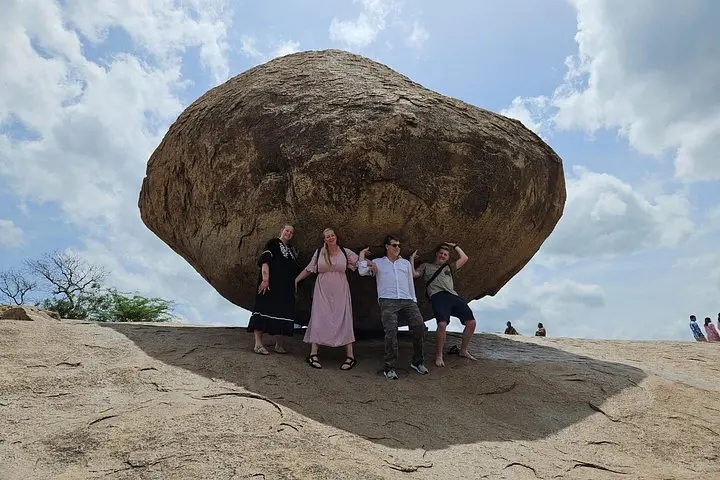
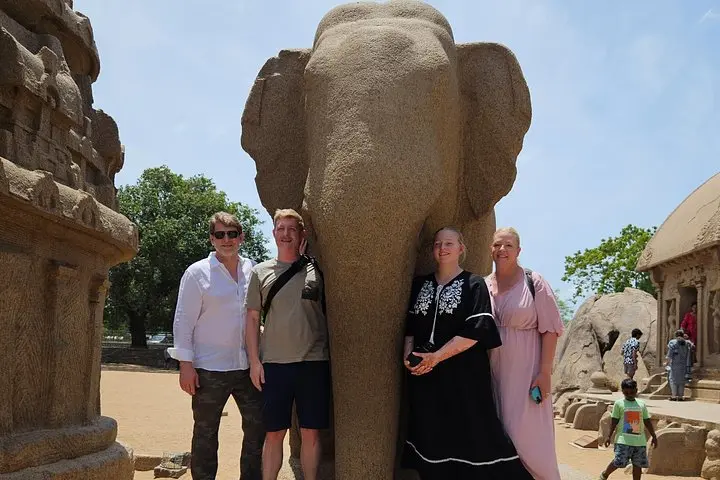
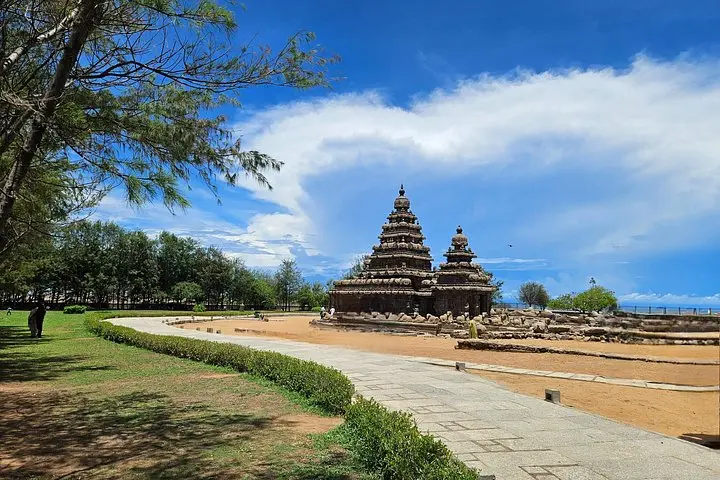
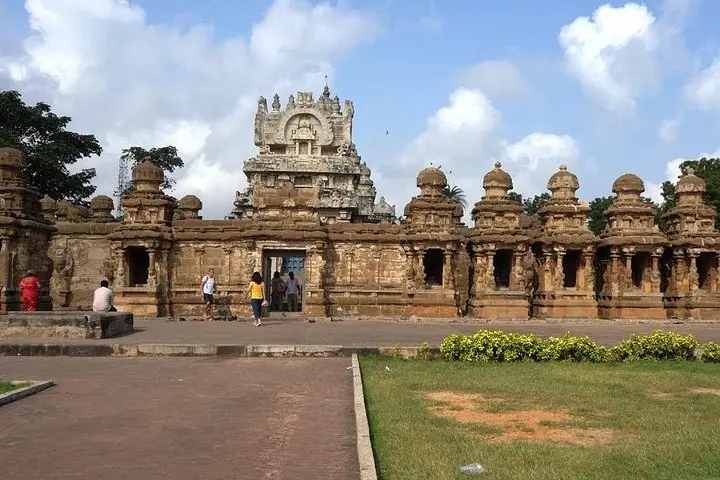
Kanchipuram opens the morning with towering gopurams and pillared halls. Kailasanathar’s early medieval sandstone and Ekambareswarar’s legendary mango tree anchor a city that served as a Pallava and later Chola seat of power; the temples are living places of worship as much as architectural records. After a coastal drive, Mamallapuram (Mahabalipuram) presents its shoreline monuments—Pancha Rathas, the enormous Arjuna’s Penance bas-relief, Krishna’s Butterball and the two-towered Shore Temple carved by Pallava artisans in the 7th–8th centuries.
Geology matters here: the monuments are monolithic or shore-facing stone vulnerable to erosion and salt air, which gives reliefs their softened edges. Culturally, Kanchipuram’s handloom workshops still weave silk by tradition; bargaining here requires patience and an eye for weave and zari work.
Practical guidance: plan a full day (roughly 12 hours), wear sun-protective, breathable clothing that’s temple-appropriate (shoulders covered, shoes removable), and bring water and cash for small purchases and tips. Mornings are cooler and lighting is best for carvings; afternoons can be hot and humid. Respect restricted areas, follow your guide’s instructions, and leave extra time if you want to shop for silk directly from a weaver.
This tour includes entry to the specified monuments in Kanchipuram and Mahabalipuram; confirm details at booking and carry ID for temple records.
Tours typically depart from Chennai with pickup options; confirm your pickup point when booking and allow time for traffic.
Yes—it's low-impact walking, but some temple areas have steps and uneven stone; inform the operator about mobility needs.
Yes—there are authentic handloom workshops and shops; look for hallmarks of weave quality and agree price before purchase.
Wonder tours operates guided outdoor trips and adventures with an emphasis on safety, stewardship, and memorable experiences.
By mid-morning the coastal highway unfurls between Chennai and the Bay of Bengal: salt-laced air, palms flicking in a hot breeze, and the driver pointing out low, white temples on the horizon. The day trip moves with a steady, practical rhythm—short drives between sites, guided walks beneath carved stone, and the occasional market stop where silk hangs heavy and luminous.
By mid-morning the coastal highway unfurls between Chennai and the Bay of Bengal: salt-laced air, palms flicking in a hot breeze, and the driver pointing out low, white temples on the horizon. The day trip moves with a steady, practical rhythm—short drives between sites, guided walks beneath carved stone, and the occasional market stop where silk hangs heavy and luminous.
Kanchipuram opens the morning with towering gopurams and pillared halls. Kailasanathar’s early medieval sandstone and Ekambareswarar’s legendary mango tree anchor a city that served as a Pallava and later Chola seat of power; the temples are living places of worship as much as architectural records. After a coastal drive, Mamallapuram (Mahabalipuram) presents its shoreline monuments—Pancha Rathas, the enormous Arjuna’s Penance bas-relief, Krishna’s Butterball and the two-towered Shore Temple carved by Pallava artisans in the 7th–8th centuries.
Geology matters here: the monuments are monolithic or shore-facing stone vulnerable to erosion and salt air, which gives reliefs their softened edges. Culturally, Kanchipuram’s handloom workshops still weave silk by tradition; bargaining here requires patience and an eye for weave and zari work.
Practical guidance: plan a full day (roughly 12 hours), wear sun-protective, breathable clothing that’s temple-appropriate (shoulders covered, shoes removable), and bring water and cash for small purchases and tips. Mornings are cooler and lighting is best for carvings; afternoons can be hot and humid. Respect restricted areas, follow your guide’s instructions, and leave extra time if you want to shop for silk directly from a weaver.