THE ADVENTURE COLLECTIVE® · Independent discovery and booking for outdoor travel

Watch mangrove and coastal species from low boardwalks and shorelines on a five-hour birding tour around Mahahual and Costa Maya. Early mornings deliver the most activity; local guides combine boat and foot access to maximize sightings and photography opportunities.
Watch mangrove and coastal species from low boardwalks and shorelines on a five-hour birding tour around Mahahual and Costa Maya. Early mornings deliver the most activity; local guides combine boat and foot access to maximize sightings and photography opportunities.
Dawn in Mahahual arrives with soft heat and the staccato calls of shorebirds; mangrove roots braid into the water while a kingfisher darts like punctuation between branches. On a five-hour birdwatching loop through coastal mangroves, low jungle and grassy edges you track species that use both sea breeze and forest shade, and guides point out birds by silhouette as much as color.
Verified experiences and guided adventures in the surrounding area.
Operated by Mahahual Ecotours · Mahahual, Quintana Roo
Dawn in Mahahual arrives with soft heat and the staccato calls of shorebirds; mangrove roots braid into the water while a kingfisher darts like punctuation between branches. On a five-hour birdwatching loop through coastal mangroves, low jungle and grassy edges you track species that use both sea breeze and forest shade, and guides point out birds by silhouette as much as color.
The southern Costa Maya sits on Yucatán’s limestone shelf — shallow soils, karst sinkholes and broad mangrove flats shape habitat for resident and migratory birds. The region’s modern identity grew from Mayan trade routes and small fishing communities; today Mahahual balances a laid-back village culture with growing eco-tourism focused on protecting reef and mangrove corridors.
Expect a mix of flat walking on wooden boardwalks and soft, sandy trails through scrub and palms; much of the birding happens from shorelines and low observation points. Guides often launch from town, blending boat and foot access to reach mangrove fringes where boat-tolerant species roost and secretive warblers slip through leaf litter.
Practical edge: mornings are best — light and bird activity peak in the first three hours after sunrise. Bring a compact binocular, sun protection and a quiet camera with a telephoto lens if you want clean shots; avoid intrusive flash near nests. The tour is suitable for moderately fit travelers and accessible options are frequently available, but expect uneven surfaces in natural areas. Respect nesting zones, follow guide instructions, and you’ll leave knowing the birds’ calls as well as the shoreline’s pulse.
Early morning is best — the first three hours after sunrise typically have the highest bird activity and softer light for photography.
Yes — the operator notes stroller and wheelchair-accessible options and the tour offers accessible transportation, though some natural areas have uneven surfaces.
Expect coastal and mangrove species such as mangrove cuckoo, shorebirds, herons, and coastal raptors; migratory songbirds may be present seasonally.
Tours generally include purified water and lunch, but bring personal snacks or specialty dietary items and extra water if you need more than provided.
Mahahual Ecotours operates guided outdoor trips and adventures with an emphasis on safety, stewardship, and memorable experiences.
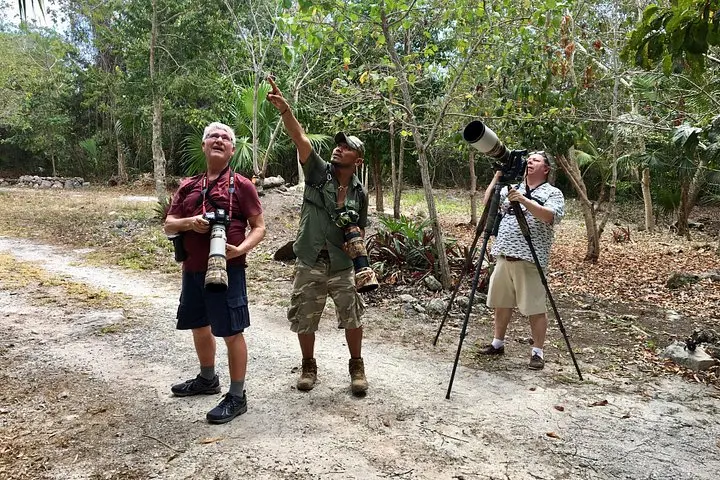
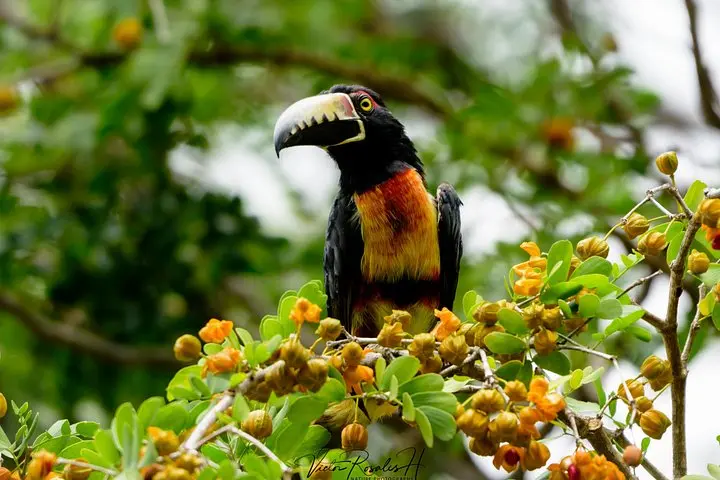
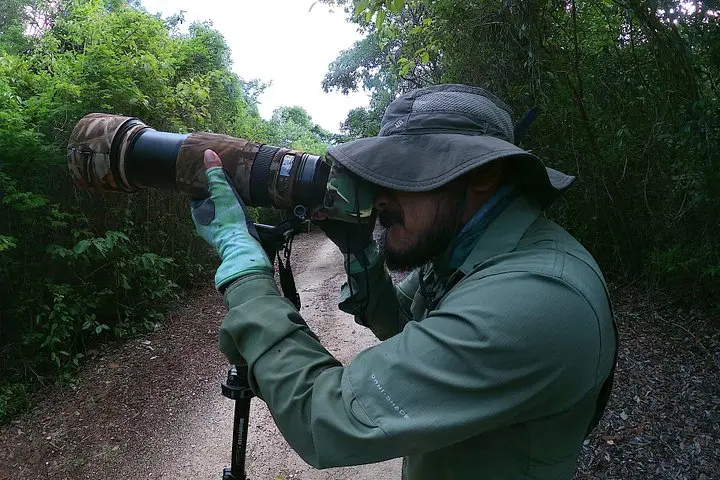
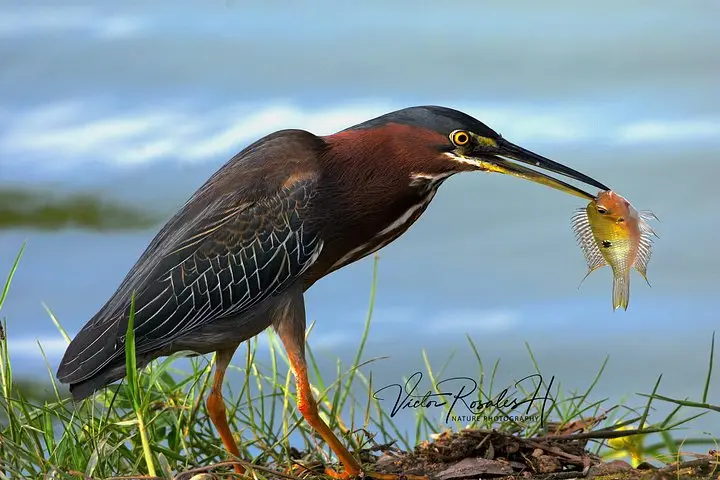
Dawn in Mahahual arrives with soft heat and the staccato calls of shorebirds; mangrove roots braid into the water while a kingfisher darts like punctuation between branches. On a five-hour birdwatching loop through coastal mangroves, low jungle and grassy edges you track species that use both sea breeze and forest shade, and guides point out birds by silhouette as much as color.
Dawn in Mahahual arrives with soft heat and the staccato calls of shorebirds; mangrove roots braid into the water while a kingfisher darts like punctuation between branches. On a five-hour birdwatching loop through coastal mangroves, low jungle and grassy edges you track species that use both sea breeze and forest shade, and guides point out birds by silhouette as much as color.
The southern Costa Maya sits on Yucatán’s limestone shelf — shallow soils, karst sinkholes and broad mangrove flats shape habitat for resident and migratory birds. The region’s modern identity grew from Mayan trade routes and small fishing communities; today Mahahual balances a laid-back village culture with growing eco-tourism focused on protecting reef and mangrove corridors.
Expect a mix of flat walking on wooden boardwalks and soft, sandy trails through scrub and palms; much of the birding happens from shorelines and low observation points. Guides often launch from town, blending boat and foot access to reach mangrove fringes where boat-tolerant species roost and secretive warblers slip through leaf litter.
Practical edge: mornings are best — light and bird activity peak in the first three hours after sunrise. Bring a compact binocular, sun protection and a quiet camera with a telephoto lens if you want clean shots; avoid intrusive flash near nests. The tour is suitable for moderately fit travelers and accessible options are frequently available, but expect uneven surfaces in natural areas. Respect nesting zones, follow guide instructions, and you’ll leave knowing the birds’ calls as well as the shoreline’s pulse.