THE ADVENTURE COLLECTIVE® · Independent discovery and booking for outdoor travel

Spend three hands-on hours in Windhoek learning how to make mahangu pap, Namibia’s drought-hardy millet porridge. This class combines cooking technique, farm-to-table stories, and a communal braai—vegetarian options available.
Spend three hands-on hours in Windhoek learning how to make mahangu pap, Namibia’s drought-hardy millet porridge. This class combines cooking technique, farm-to-table stories, and a communal braai—vegetarian options available.
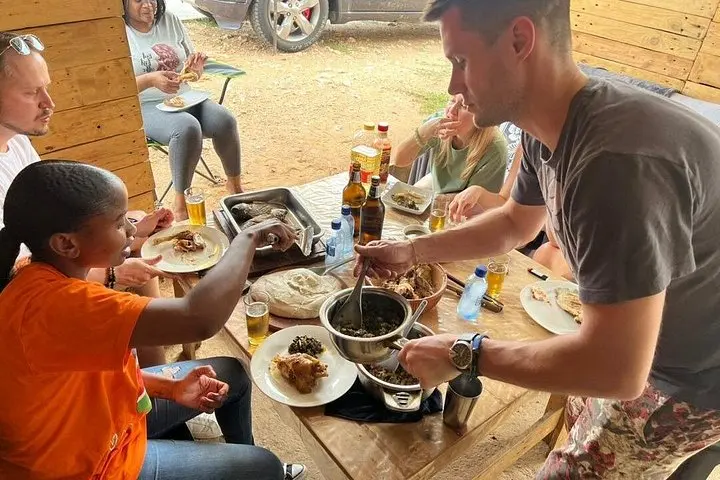
You step into a Windhoek yard where heat from the sun and the ember glow of a braai both command attention. Grain sacks and a low-fire pot set the scene: today you learn mahangu pap, the dense millet porridge that carries generations across Namibia’s dry seasons.
Verified experiences and guided adventures in the surrounding area.
Operated by Anchor Adventures Namibia · Windhoek, Khomas Region
You step into a Windhoek yard where heat from the sun and the ember glow of a braai both command attention. Grain sacks and a low-fire pot set the scene: today you learn mahangu pap, the dense millet porridge that carries generations across Namibia’s dry seasons.
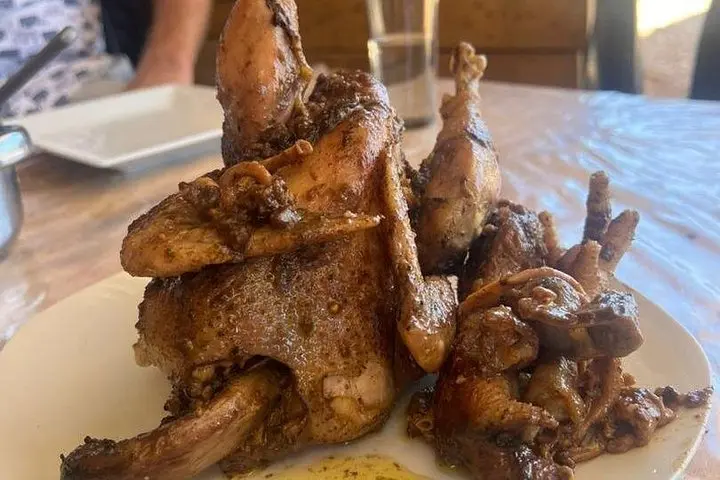
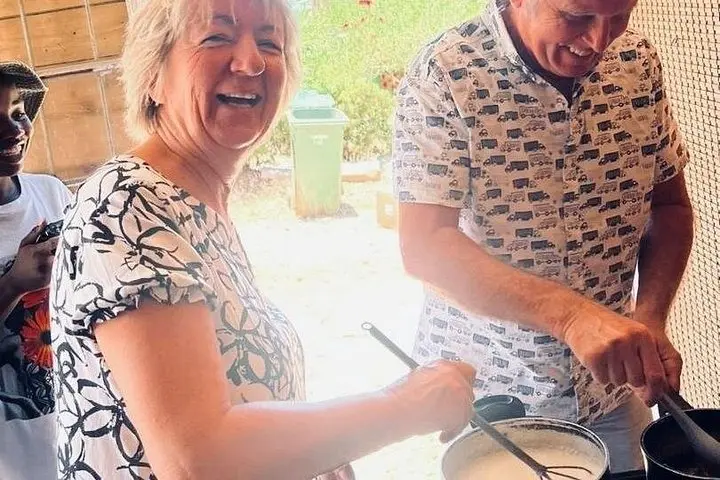
The class threads culture and ecology. Mahangu (pearl millet) is a drought-tolerant crop grown across Namibia’s central plains; its storage and preparation reflect centuries of food security in a semi-arid landscape whose ancient basement rock and wind-sculpted soils shape what farmers can grow. Hosts explain farming and storage methods, then guide you through stirring, pounding and shaping pap while sharing stories of family meals and the braai culture that centers social life. Expect to see classic Kapana paired with pap, and—if you’re adventurous—samples like mopane worms or marula fruit preserves.
Practically, the experience is hands-on and social: it runs about three hours, includes private transport, bottled water, snacks and lunch, and is suitable for children. Vegetarian adaptations (local spinach, marula fruit) are available; communicate dietary needs when booking. Wear comfortable clothes you don’t mind getting a bit dusty, bring a camera for candid moments, and arrive ready to listen — much of the learning happens through conversation around the food.
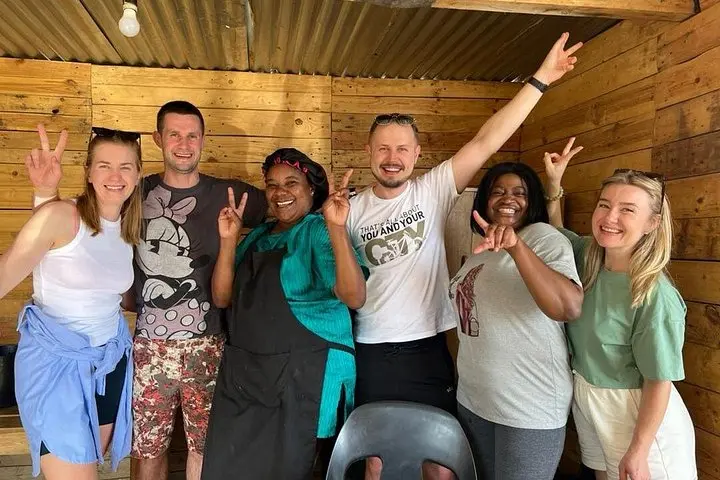
This class is as much about people as technique: you leave with a recipe in hand, a fuller sense of Namibia’s foodways, and the memory of a communal meal that turns simple ingredients into a practical, sustaining tradition.
Yes—hosts can prepare vegetarian versions using local spinach and marula fruit; notify dietary needs when you book.
Private transportation is listed as included with the activity; confirm pickup details at booking.
Children are welcome, but infants must sit on a lap; the class is family-friendly and hands-on.
The experience lasts about three hours and typically includes mahangu pap, Kapana (grilled meat), snacks, bottled water and a light lunch; adventurous local items may be offered.
Anchor Adventures Namibia operates guided outdoor trips and adventures with an emphasis on safety, stewardship, and memorable experiences.
You step into a Windhoek yard where heat from the sun and the ember glow of a braai both command attention. Grain sacks and a low-fire pot set the scene: today you learn mahangu pap, the dense millet porridge that carries generations across Namibia’s dry seasons.
You step into a Windhoek yard where heat from the sun and the ember glow of a braai both command attention. Grain sacks and a low-fire pot set the scene: today you learn mahangu pap, the dense millet porridge that carries generations across Namibia’s dry seasons.
The class threads culture and ecology. Mahangu (pearl millet) is a drought-tolerant crop grown across Namibia’s central plains; its storage and preparation reflect centuries of food security in a semi-arid landscape whose ancient basement rock and wind-sculpted soils shape what farmers can grow. Hosts explain farming and storage methods, then guide you through stirring, pounding and shaping pap while sharing stories of family meals and the braai culture that centers social life. Expect to see classic Kapana paired with pap, and—if you’re adventurous—samples like mopane worms or marula fruit preserves.
Practically, the experience is hands-on and social: it runs about three hours, includes private transport, bottled water, snacks and lunch, and is suitable for children. Vegetarian adaptations (local spinach, marula fruit) are available; communicate dietary needs when booking. Wear comfortable clothes you don’t mind getting a bit dusty, bring a camera for candid moments, and arrive ready to listen — much of the learning happens through conversation around the food.
This class is as much about people as technique: you leave with a recipe in hand, a fuller sense of Namibia’s foodways, and the memory of a communal meal that turns simple ingredients into a practical, sustaining tradition.