THE ADVENTURE COLLECTIVE® · Independent discovery and booking for outdoor travel

Escape Hanoi for two days of bicycle lanes, rice terraces and an overnight homestay in Mai Chau Valley. Pedal past stilt houses, trek through terraced fields and experience Thai highland hospitality on this accessible cultural adventure.
Escape Hanoi for two days of bicycle lanes, rice terraces and an overnight homestay in Mai Chau Valley. Pedal past stilt houses, trek through terraced fields and experience Thai highland hospitality on this accessible cultural adventure.
You step off the van where the road thins and a bowl of green opens below—streaks of rice paddies, slatted stilt houses and a ribbon of mountain road that climbed you here. The air has the cool, iron-scented bite of highland morning; a woman in a black brocade skirt lifts her head from the field and nods, and everything slows.
Verified experiences and guided adventures in the surrounding area.
Operated by Asia Group Tour · Mai Chau, Hoa Binh Province
You step off the van where the road thins and a bowl of green opens below—streaks of rice paddies, slatted stilt houses and a ribbon of mountain road that climbed you here. The air has the cool, iron-scented bite of highland morning; a woman in a black brocade skirt lifts her head from the field and nods, and everything slows.
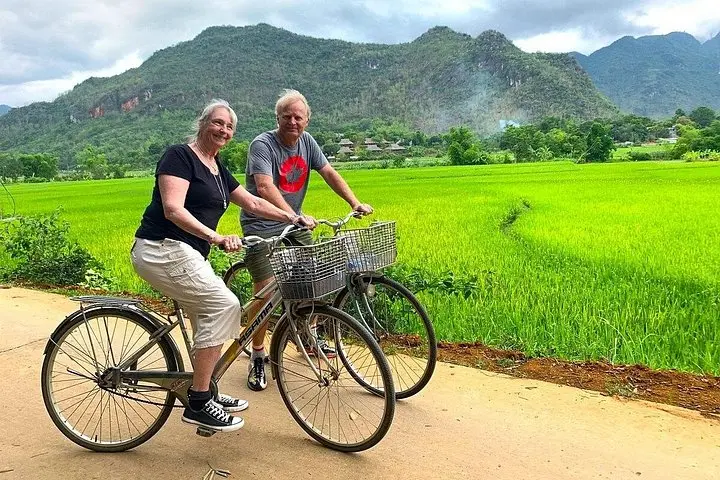
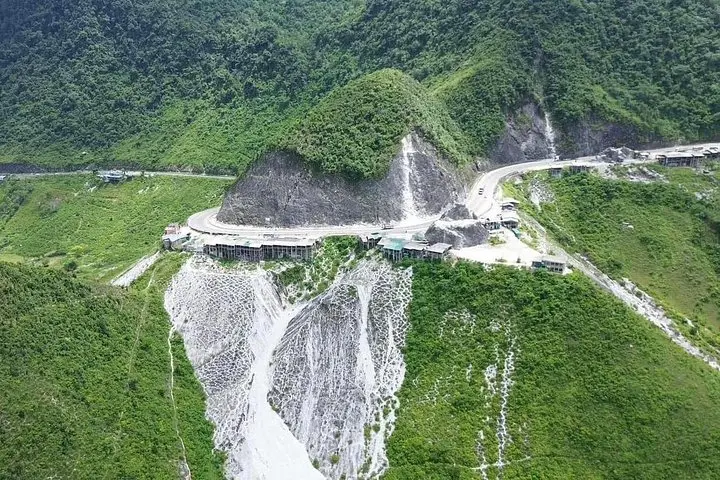
This two-day escape from Hanoi compresses northern Vietnam’s hard-edge geography and soft rural life into an overnight experience in Mai Chau Valley. The first day is mostly transit—about a four-hour drive through limestone ridges with a halfway stop at Thung Khe Pass, where the valley spreads like a map written in terraces and patchwork fields. You’ll trade the van for bicycles and pedal roughly 10 km on flat rural lanes, passing Thai and Muong villages where woven textiles hang from wooden balconies and buffaloes crop the margins of rice plots.
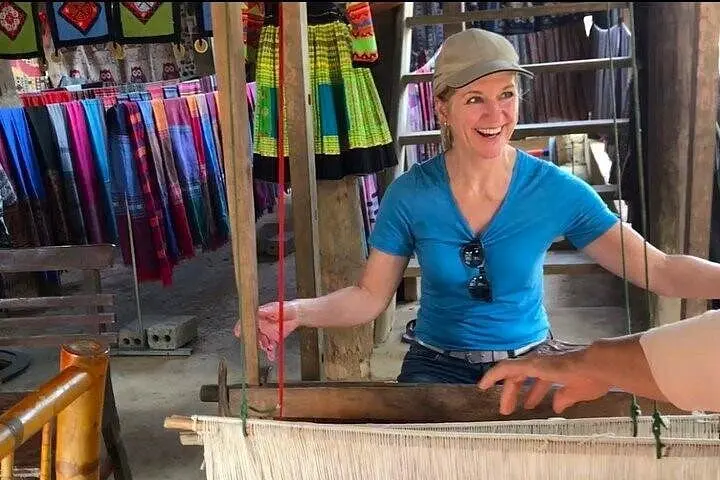
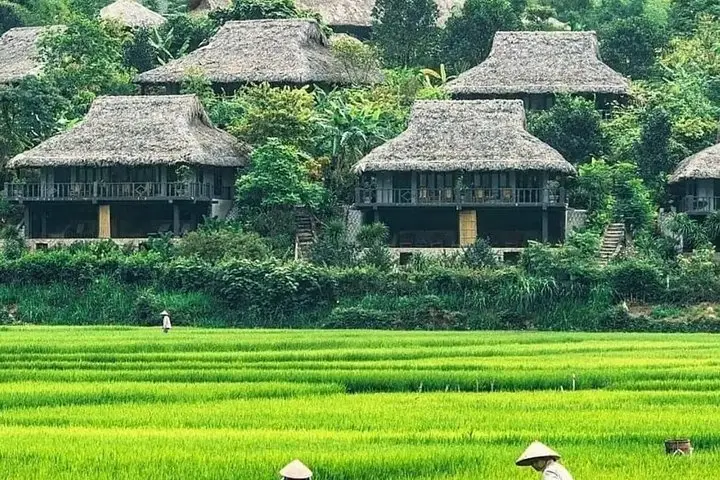
Mai Chau’s geology is classic karst: limestone folded, weathered and cut into steep hills that force agriculture onto terraces and small pockets of flatland. The valley is populated mainly by the White Thai people; longhouses on stilts and communal family spaces reflect a culture organized around rice, weaving and seasonal festivals. In the evening, homestay hosts serve regional dishes—sticky rice, grilled river fish, vegetable braises—and, when groups are large enough, a traditional Thai dance and a glass of ruou can, the local rice wine.
On day two, the program tightens: a short 2 km cycle to trailheads and a trek of about 6 km through Na Meo and Xam Pa, descending lanes and terraces to Cum and Sam Khoe villages. Trails are well defined but can be muddy after rain; elevation changes are modest (hundreds of meters overall) but steady enough to get your legs awake before the return drive to Hanoi, arriving early evening.
Practical edge: come with broken-in shoes and layers, carry cash (some shops don’t accept cards), and a small gift or polite curiosity—villagers are hospitable but private. Weather shifts quickly in the karst; morning fog clears into strong sun by midday. Respect homestay rules: remove shoes, ask before photographing people, and flag dietary needs ahead of booking. This is a short trip, but it’s enough—two days that move you from Hanoi’s bustle into a valley where time is measured by irrigation channels, not clocks.
Expect about 3.5–4 hours each way by air-conditioned van with a short stop at Thung Khe Pass.
Yes — the tour provides bikes for village rides; helmets availability varies so request one when booking if you need a properly fitted helmet.
Yes — the 6 km trek is on defined lanes and terraces with modest elevation change; a reasonable level of mobility is sufficient.
Overnight accommodation is a local stilt house with basic but clean rooms, shared facilities and home-cooked meals showcasing Thai highland cuisine.
Yes — vegetarian, vegan and gluten-free options are available if noted at booking.
Bring Vietnamese dong in cash for small purchases and tips; credit cards are rarely accepted in villages.
Asia Group Tour operates guided outdoor trips and adventures with an emphasis on safety, stewardship, and memorable experiences.
You step off the van where the road thins and a bowl of green opens below—streaks of rice paddies, slatted stilt houses and a ribbon of mountain road that climbed you here. The air has the cool, iron-scented bite of highland morning; a woman in a black brocade skirt lifts her head from the field and nods, and everything slows.
You step off the van where the road thins and a bowl of green opens below—streaks of rice paddies, slatted stilt houses and a ribbon of mountain road that climbed you here. The air has the cool, iron-scented bite of highland morning; a woman in a black brocade skirt lifts her head from the field and nods, and everything slows.
This two-day escape from Hanoi compresses northern Vietnam’s hard-edge geography and soft rural life into an overnight experience in Mai Chau Valley. The first day is mostly transit—about a four-hour drive through limestone ridges with a halfway stop at Thung Khe Pass, where the valley spreads like a map written in terraces and patchwork fields. You’ll trade the van for bicycles and pedal roughly 10 km on flat rural lanes, passing Thai and Muong villages where woven textiles hang from wooden balconies and buffaloes crop the margins of rice plots.
Mai Chau’s geology is classic karst: limestone folded, weathered and cut into steep hills that force agriculture onto terraces and small pockets of flatland. The valley is populated mainly by the White Thai people; longhouses on stilts and communal family spaces reflect a culture organized around rice, weaving and seasonal festivals. In the evening, homestay hosts serve regional dishes—sticky rice, grilled river fish, vegetable braises—and, when groups are large enough, a traditional Thai dance and a glass of ruou can, the local rice wine.
On day two, the program tightens: a short 2 km cycle to trailheads and a trek of about 6 km through Na Meo and Xam Pa, descending lanes and terraces to Cum and Sam Khoe villages. Trails are well defined but can be muddy after rain; elevation changes are modest (hundreds of meters overall) but steady enough to get your legs awake before the return drive to Hanoi, arriving early evening.
Practical edge: come with broken-in shoes and layers, carry cash (some shops don’t accept cards), and a small gift or polite curiosity—villagers are hospitable but private. Weather shifts quickly in the karst; morning fog clears into strong sun by midday. Respect homestay rules: remove shoes, ask before photographing people, and flag dietary needs ahead of booking. This is a short trip, but it’s enough—two days that move you from Hanoi’s bustle into a valley where time is measured by irrigation channels, not clocks.