THE ADVENTURE COLLECTIVE® · Independent discovery and booking for outdoor travel

A short drive from Hanoi, Mai Châu opens into a quiet valley of stilt houses, rice paddies and limestone ridges. This easy 3‑day itinerary pairs gentle village treks with two authentic Thai homestays—ideal for travelers who want cultural immersion without strenuous climbing.
A short drive from Hanoi, Mai Châu opens into a quiet valley of stilt houses, rice paddies and limestone ridges. This easy 3‑day itinerary pairs gentle village treks with two authentic Thai homestays—ideal for travelers who want cultural immersion without strenuous climbing.
The first light arrives over the rice paddies and the valley exhales: thin mist lifts off the flooded terraces, and stilt houses reveal themselves like old wooden notes on a green score. You step out of a private minivan and the air changes—cooler, damp, threaded with wood smoke and the faint sweetness of ripening rice. This is Mai Châu: a broad, calm bowl of fields and low limestone ridges about 3–4 hours west of Hanoi where two days of walking thread between Thai villages, and two nights are spent under a family roof.
Verified experiences and guided adventures in the surrounding area.
Operated by Authentic MAI CHAU · Mai Chau, Hoa Binh
The first light arrives over the rice paddies and the valley exhales: thin mist lifts off the flooded terraces, and stilt houses reveal themselves like old wooden notes on a green score. You step out of a private minivan and the air changes—cooler, damp, threaded with wood smoke and the faint sweetness of ripening rice. This is Mai Châu: a broad, calm bowl of fields and low limestone ridges about 3–4 hours west of Hanoi where two days of walking thread between Thai villages, and two nights are spent under a family roof.
Mai Châu sits on the eastern edge of Vietnam’s Hoà Bình limestone massif. Geologically modest—rounded karst outcrops and alluvial valley—its landscape has shaped life here for centuries: stilt houses built to keep livestock dry, low terraces irrigated by simple dikes, and footpaths that follow old herd and market routes rather than paved roads. The Thai people in Mai Châu cultivated the valley long before it became a day-trip stop; their houses, brocade patterns and communal songs are cultural markers that travelers see firsthand during homestays in Xo and Van villages.
The tour is deliberately gentle: day one includes a 4-hour transfer from Hanoi followed by a short 3–5 km village walk to stretch legs and learn homestay rituals. Day two is the longest walk—expect 8–12 km over dirt tracks and small ascents (roughly 200–350 m cumulative gain) as you move from Xo through Buoc to Van village, pausing at rice paddies and roadside tea stops. Terrain is mostly packed earth, occasional slippery clay after rain, and stoned village paths; good footwear and steady balance matter more than alpine skills.
Practical guide: plan arrival in Hanoi the night before and budget the morning to avoid traffic leaving the city. Bring cash in small denominations for village purchases and tips (local ATMs are limited). Pack a lightweight rain shell, quick-dry layers for cool mornings and hot afternoons, and a headlamp for homestay bathrooms and early wake-ups. Hydrate on the trail; carry at least 1.5 liters and use water purification tablets if you refill from village taps.
Cultural note: homestays are reciprocal—show curiosity, remove shoes at thresholds, and ask before photographing individuals. The experience rewards slow attention: watch children weave between buffalo, listen to elders repair a thatched roof, and let the valley’s measured rhythm reset your pace. If you want a short, immersive slice of northern Vietnam that trades postcard views for human-scale encounters, this three-day route delivers without forcing a hard climb or rushed schedule.
Expect about 3.5–4 hours of private transfer each way depending on traffic; the route runs through rolling farmland and small towns.
You’ll stay in traditional Thai stilt houses with simple mattresses and shared facilities—clean and authentic, but not luxurious.
Yes—this itinerary is rated easy and suitable for most ages; let the operator know mobility concerns so they can adapt pickup points or walking distances.
Short day one walks (3–5 km) and longer day two sections around 8–12 km over gentle elevation; tailor to your group’s pace.
No special vaccines are required beyond routine immunizations; bring basic travel meds and any personal prescriptions.
Yes—hosts and guides can usually adapt meals for common diets; declare restrictions when booking.
Authentic MAI CHAU operates guided outdoor trips and adventures with an emphasis on safety, stewardship, and memorable experiences.


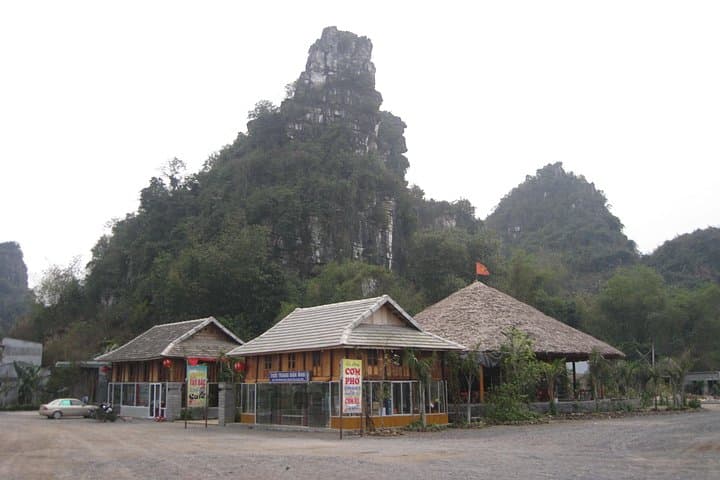

The first light arrives over the rice paddies and the valley exhales: thin mist lifts off the flooded terraces, and stilt houses reveal themselves like old wooden notes on a green score. You step out of a private minivan and the air changes—cooler, damp, threaded with wood smoke and the faint sweetness of ripening rice. This is Mai Châu: a broad, calm bowl of fields and low limestone ridges about 3–4 hours west of Hanoi where two days of walking thread between Thai villages, and two nights are spent under a family roof.
The first light arrives over the rice paddies and the valley exhales: thin mist lifts off the flooded terraces, and stilt houses reveal themselves like old wooden notes on a green score. You step out of a private minivan and the air changes—cooler, damp, threaded with wood smoke and the faint sweetness of ripening rice. This is Mai Châu: a broad, calm bowl of fields and low limestone ridges about 3–4 hours west of Hanoi where two days of walking thread between Thai villages, and two nights are spent under a family roof.
Mai Châu sits on the eastern edge of Vietnam’s Hoà Bình limestone massif. Geologically modest—rounded karst outcrops and alluvial valley—its landscape has shaped life here for centuries: stilt houses built to keep livestock dry, low terraces irrigated by simple dikes, and footpaths that follow old herd and market routes rather than paved roads. The Thai people in Mai Châu cultivated the valley long before it became a day-trip stop; their houses, brocade patterns and communal songs are cultural markers that travelers see firsthand during homestays in Xo and Van villages.
The tour is deliberately gentle: day one includes a 4-hour transfer from Hanoi followed by a short 3–5 km village walk to stretch legs and learn homestay rituals. Day two is the longest walk—expect 8–12 km over dirt tracks and small ascents (roughly 200–350 m cumulative gain) as you move from Xo through Buoc to Van village, pausing at rice paddies and roadside tea stops. Terrain is mostly packed earth, occasional slippery clay after rain, and stoned village paths; good footwear and steady balance matter more than alpine skills.
Practical guide: plan arrival in Hanoi the night before and budget the morning to avoid traffic leaving the city. Bring cash in small denominations for village purchases and tips (local ATMs are limited). Pack a lightweight rain shell, quick-dry layers for cool mornings and hot afternoons, and a headlamp for homestay bathrooms and early wake-ups. Hydrate on the trail; carry at least 1.5 liters and use water purification tablets if you refill from village taps.
Cultural note: homestays are reciprocal—show curiosity, remove shoes at thresholds, and ask before photographing individuals. The experience rewards slow attention: watch children weave between buffalo, listen to elders repair a thatched roof, and let the valley’s measured rhythm reset your pace. If you want a short, immersive slice of northern Vietnam that trades postcard views for human-scale encounters, this three-day route delivers without forcing a hard climb or rushed schedule.