THE ADVENTURE COLLECTIVE® · Independent discovery and booking for outdoor travel

Leave Hanoi for a day of quiet lanes, rice paddies and hands-on weaving with White Thai artisans. This one-day Mai Chau trip mixes scenic cycling with a natural-dye workshop and a home-cooked lunch—ideal for travelers who want cultural depth without overnight logistics.
Leave Hanoi for a day of quiet lanes, rice paddies and hands-on weaving with White Thai artisans. This one-day Mai Chau trip mixes scenic cycling with a natural-dye workshop and a home-cooked lunch—ideal for travelers who want cultural depth without overnight logistics.
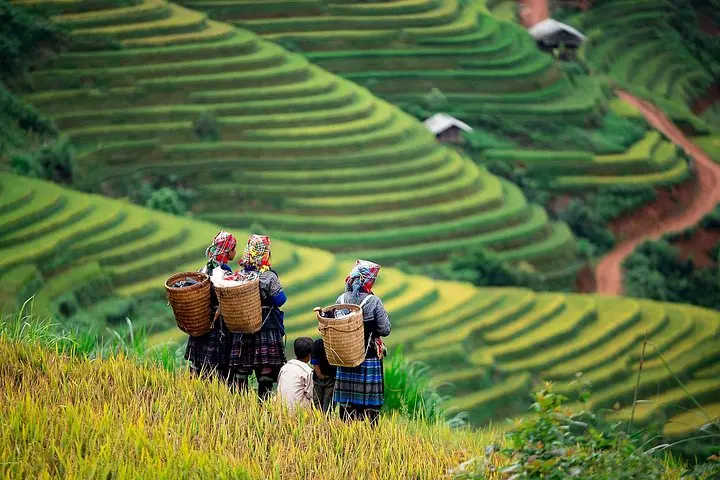
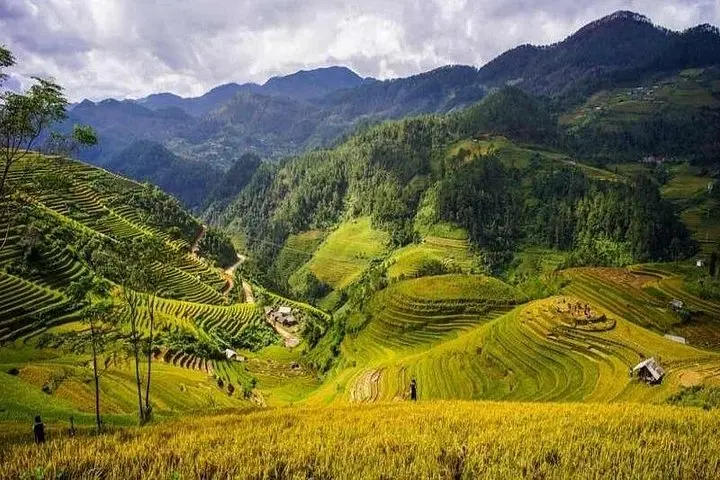
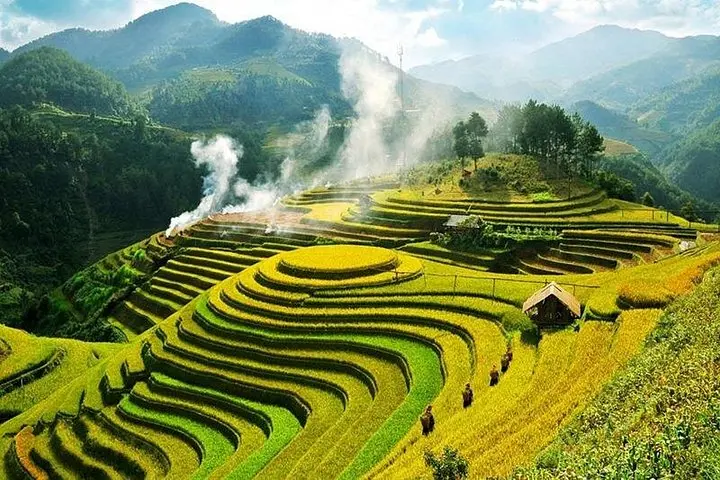
The bus peels away from Hanoi before sunrise and the city’s noise thins into a rhythm of engine hum and morning light. By the time the road tops the ridge at nearly 800 meters, limestone outcrops puncture the horizon and the descent into Mai Chau feels like dropping into another pace of life: flat rice fields, low stilt houses, and a sky that seems to lean in to watch. Cyclists unload, adjust saddles and forks, and set off along narrow lanes where water channels dare you to look down and count the reflections.
Verified experiences and guided adventures in the surrounding area.
Operated by Dragon Tourist - Vina Cruise · Mai Chau, Hoa Binh
The bus peels away from Hanoi before sunrise and the city’s noise thins into a rhythm of engine hum and morning light. By the time the road tops the ridge at nearly 800 meters, limestone outcrops puncture the horizon and the descent into Mai Chau feels like dropping into another pace of life: flat rice fields, low stilt houses, and a sky that seems to lean in to watch. Cyclists unload, adjust saddles and forks, and set off along narrow lanes where water channels dare you to look down and count the reflections.
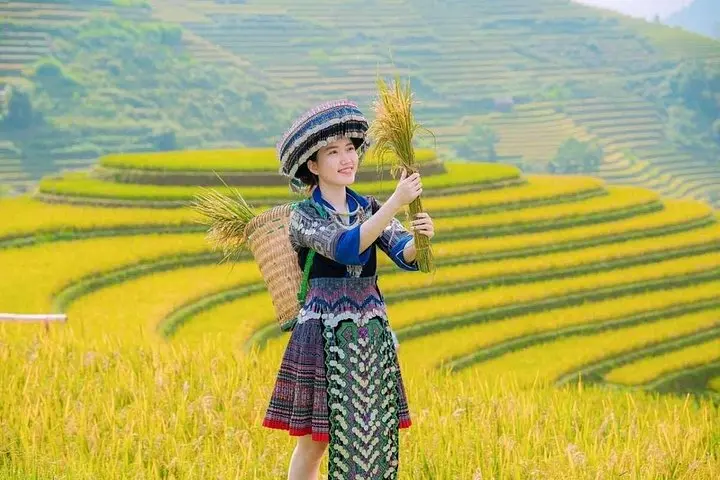
Mai Chau is the domain of the White Thai people, an ethnic group whose customs and craft have shaped this valley for centuries. Geologically, the region sits on folded limestone and karst, which creates the dramatic ridgelines and pockets of fertile alluvial soil where rice thrives. Culturally, villages like Na Phon maintain hand-weaving and natural-dyeing practices passed between generations; the Hoa Ban Social Protecting Center, founded in 2008, channels tourism income into local women’s cooperatives while preserving traditional techniques.
The day follows a clear arc: a 7:30 departure from Hanoi, a high pass and a 10:30 arrival in Mai Chau, then a guided cycle through rice paddies to a weaving workshop where guests learn indigo dyeing and embroidery firsthand. Lunch is a home-cooked set of valley specialties in a Thai host family’s house; the afternoon opens to more cycling options—quiet backroads, village visits and tea on a homestay veranda—before a 4:00 PM farewell and the return drive to Hanoi.
Practically, this is a full but accessible day: expect 10–12 hours total, light to moderate pedaling on mostly flat valley lanes with short upticks if you explore side routes. The operator provides bicycles, snacks, lunch and transfers in an air-conditioned vehicle, but a few preparations make the day smoother: bring a refillable water bottle, wear grippy closed-toe shoes, and carry a light rain shell—Vietnam’s weather can flip even on a summer afternoon. Respect is part of the itinerary: ask before photographing people at work, and accept invitations to step into a home—Thai hospitality here is deliberate and warm.
For photographers, the early light on the paddies and the intimate frames inside the weaving workshop are unbeatable. For travelers who want to stretch the experience, ask about extended homestays or stay overnight in Mai Chau to explore longer loops and catch market days in nearby communes.
This is a trip that pairs movement with meaning: the valley moves under your wheels while hands at the loom keep an ancient craft alive. It’s not merely a ride—it’s a direct line into the rhythms that sustain this community.
Yes—bicycles and basic safety gear are provided as part of the tour; you may bring your own helmet if preferred.
The valley rides are mostly flat and suitable for moderate fitness; the tour requires steady pedaling but no technical off-road skills.
Yes—pickup is arranged from multiple Hanoi hotels; meeting is also possible at the corner of Cau Go and Hoan Kiem streets.
Inform the operator at booking; the homestay can typically adapt dishes for common dietary needs with advance notice.
Families with older children who are comfortable cycling can join, but infants must sit on an adult's lap during transfer and the operator sets age-related rules.
Guides usually speak English and basic Vietnamese; local hosts may have limited English but hospitality and translation by guides bridge conversations.
Dragon Tourist - Vina Cruise operates guided outdoor trips and adventures with an emphasis on safety, stewardship, and memorable experiences.
The bus peels away from Hanoi before sunrise and the city’s noise thins into a rhythm of engine hum and morning light. By the time the road tops the ridge at nearly 800 meters, limestone outcrops puncture the horizon and the descent into Mai Chau feels like dropping into another pace of life: flat rice fields, low stilt houses, and a sky that seems to lean in to watch. Cyclists unload, adjust saddles and forks, and set off along narrow lanes where water channels dare you to look down and count the reflections.
The bus peels away from Hanoi before sunrise and the city’s noise thins into a rhythm of engine hum and morning light. By the time the road tops the ridge at nearly 800 meters, limestone outcrops puncture the horizon and the descent into Mai Chau feels like dropping into another pace of life: flat rice fields, low stilt houses, and a sky that seems to lean in to watch. Cyclists unload, adjust saddles and forks, and set off along narrow lanes where water channels dare you to look down and count the reflections.
Mai Chau is the domain of the White Thai people, an ethnic group whose customs and craft have shaped this valley for centuries. Geologically, the region sits on folded limestone and karst, which creates the dramatic ridgelines and pockets of fertile alluvial soil where rice thrives. Culturally, villages like Na Phon maintain hand-weaving and natural-dyeing practices passed between generations; the Hoa Ban Social Protecting Center, founded in 2008, channels tourism income into local women’s cooperatives while preserving traditional techniques.
The day follows a clear arc: a 7:30 departure from Hanoi, a high pass and a 10:30 arrival in Mai Chau, then a guided cycle through rice paddies to a weaving workshop where guests learn indigo dyeing and embroidery firsthand. Lunch is a home-cooked set of valley specialties in a Thai host family’s house; the afternoon opens to more cycling options—quiet backroads, village visits and tea on a homestay veranda—before a 4:00 PM farewell and the return drive to Hanoi.
Practically, this is a full but accessible day: expect 10–12 hours total, light to moderate pedaling on mostly flat valley lanes with short upticks if you explore side routes. The operator provides bicycles, snacks, lunch and transfers in an air-conditioned vehicle, but a few preparations make the day smoother: bring a refillable water bottle, wear grippy closed-toe shoes, and carry a light rain shell—Vietnam’s weather can flip even on a summer afternoon. Respect is part of the itinerary: ask before photographing people at work, and accept invitations to step into a home—Thai hospitality here is deliberate and warm.
For photographers, the early light on the paddies and the intimate frames inside the weaving workshop are unbeatable. For travelers who want to stretch the experience, ask about extended homestays or stay overnight in Mai Chau to explore longer loops and catch market days in nearby communes.
This is a trip that pairs movement with meaning: the valley moves under your wheels while hands at the loom keep an ancient craft alive. It’s not merely a ride—it’s a direct line into the rhythms that sustain this community.