THE ADVENTURE COLLECTIVE® · Independent discovery and booking for outdoor travel

A three-day loop from Hanoi into Mai Châu and Pu Luông that mixes farm-to-table homestays, single-track trekking through rice terraces, motorbike rides to hidden waterfalls and a hands-on weaving workshop. Ideal for travelers who want culture with a side of active exploration.
A three-day loop from Hanoi into Mai Châu and Pu Luông that mixes farm-to-table homestays, single-track trekking through rice terraces, motorbike rides to hidden waterfalls and a hands-on weaving workshop. Ideal for travelers who want culture with a side of active exploration.
You step off the minibus and the city dissolves into a palette of green: stepped rice paddies fan out below limestone ridges, and a narrow lane disappears between stilt houses where smoke threads rise from cooking fires. Morning mist clings to the low hills; a child drives a lone water buffalo along the trail as your guide checks the route. This is Mai Chau and the ramp into Pu Luong — a compact, rural landscape that rewards attention with sudden waterfalls, quiet streams and handshake hospitality.
Verified experiences and guided adventures in the surrounding area.
Operated by DCT Responsible Travel · Mai Châu, Hòa Bình
You step off the minibus and the city dissolves into a palette of green: stepped rice paddies fan out below limestone ridges, and a narrow lane disappears between stilt houses where smoke threads rise from cooking fires. Morning mist clings to the low hills; a child drives a lone water buffalo along the trail as your guide checks the route. This is Mai Chau and the ramp into Pu Luong — a compact, rural landscape that rewards attention with sudden waterfalls, quiet streams and handshake hospitality.
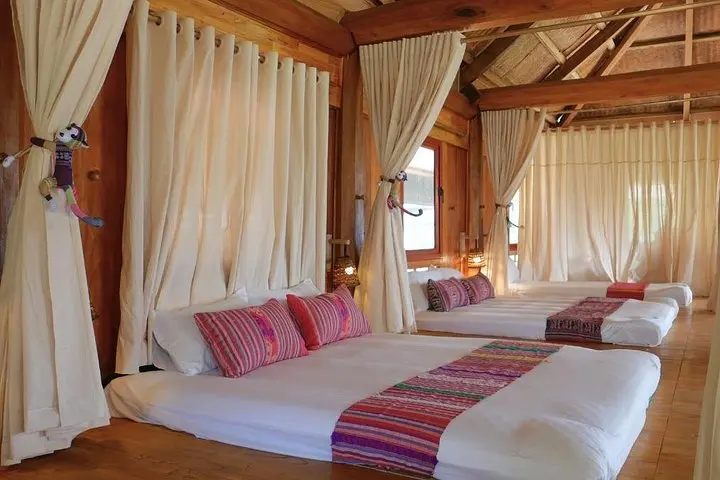
The route between Hanoi, Mai Chau and Pu Luong runs through folded karst country carved from limestone and shaded by evergreen and secondary forest. That geology creates caves, plunging streams and narrow terraces where Thai minority communities have farmed wet rice for generations. Cultural exchange is baked into the trip: you’ll sit in a White Thai weaving workshop learning natural dyeing techniques, sleep in a house-on-stilts homestay overlooking Na Phon rice fields, and taste meals prepared with local ingredients — sticky rice, grilled river fish, and herb-rich salads.
Days balance active and restorative moments. Day one includes a 3-hour transfer from Hanoi into the Mai Chau valley, then a guided cycle through Na Phon’s lanes to a weaving demo and hands-on dyeing. Day two drives east toward Pu Luong, with a stop at a bamboo chopstick workshop, a cave visit at Kho Muong, and a 1.5-hour trek through terraces to Bang village followed by a cool dip in Cham Stream. The third day turns motorbike-backroad adventurous: a 30–60 minute ride to the hidden Tat Nang waterfall and then to Phu Mau hot springs for wild soaking before the return to Hanoi.
Terrain is a mix: paved and dirt roads for cycling, single-track trails across terraces for short treks, and uneven rock at waterfall access points. Expect frequent short climbs rather than sustained high gains — most walking sections are under 2 hours, but trails can be slippery after rain.
Practical guidance: pack light layers and a good pair of grippy trail shoes or sturdy sandals for swimming stops. Bring a refillable water bottle, sun protection and a small dry bag for electronics during river swims. If you plan to ride pillion on local motorbikes, wear long pants and closed shoes; helmets are provided but consider your own for comfort. Weather varies with season — spring and autumn are ideal for walking and photography; summer brings heavy afternoon showers but lush terraces; winter mornings can be misty and cool.
This itinerary is well-suited to travelers seeking culture plus active nature without technical climbing or long backpacking days. Homestay nights and local guides mean the trip supports village incomes and offers close contact with Thai community life — arrive curious, travel respectfully, and you’ll leave with both hand-dyed souvenirs and the kind of conversations that last beyond the road home.
The trip starts at the DCT Responsible Travel office at 17 Cau Go in Hanoi Old Quarter—most central hotels are a short taxi ride away.
Daily activity includes short hikes (about 1–2 hours) and cycling on flat to rolling lanes; nothing technical, but be prepared for uneven surfaces.
Homes-on-stilts are basic but clean and include home-cooked meals; rooms are communal and reflect local living standards.
Yes—vegetarian, vegan and gluten-free options can be arranged if noted at booking.
The itinerary is family-friendly but not recommended for those with mobility limitations; infants must sit on laps during transit.
Long pants, closed shoes and a light jacket are recommended; helmets are usually provided but bring your own if you prefer.
DCT Responsible Travel operates guided outdoor trips and adventures with an emphasis on safety, stewardship, and memorable experiences.
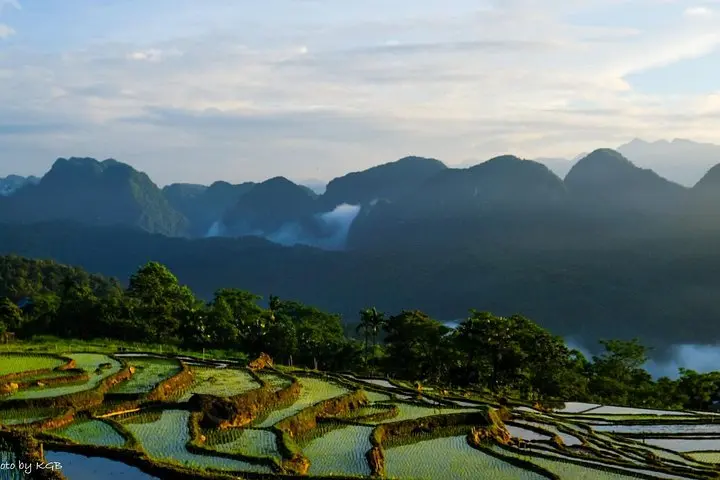
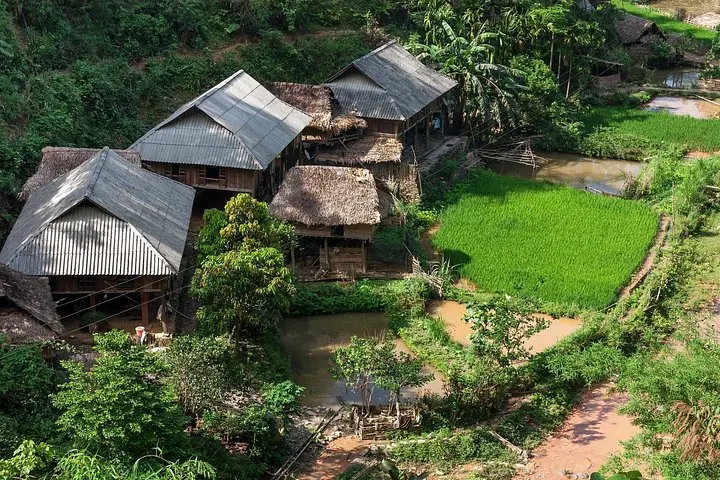
You step off the minibus and the city dissolves into a palette of green: stepped rice paddies fan out below limestone ridges, and a narrow lane disappears between stilt houses where smoke threads rise from cooking fires. Morning mist clings to the low hills; a child drives a lone water buffalo along the trail as your guide checks the route. This is Mai Chau and the ramp into Pu Luong — a compact, rural landscape that rewards attention with sudden waterfalls, quiet streams and handshake hospitality.
You step off the minibus and the city dissolves into a palette of green: stepped rice paddies fan out below limestone ridges, and a narrow lane disappears between stilt houses where smoke threads rise from cooking fires. Morning mist clings to the low hills; a child drives a lone water buffalo along the trail as your guide checks the route. This is Mai Chau and the ramp into Pu Luong — a compact, rural landscape that rewards attention with sudden waterfalls, quiet streams and handshake hospitality.
The route between Hanoi, Mai Chau and Pu Luong runs through folded karst country carved from limestone and shaded by evergreen and secondary forest. That geology creates caves, plunging streams and narrow terraces where Thai minority communities have farmed wet rice for generations. Cultural exchange is baked into the trip: you’ll sit in a White Thai weaving workshop learning natural dyeing techniques, sleep in a house-on-stilts homestay overlooking Na Phon rice fields, and taste meals prepared with local ingredients — sticky rice, grilled river fish, and herb-rich salads.
Days balance active and restorative moments. Day one includes a 3-hour transfer from Hanoi into the Mai Chau valley, then a guided cycle through Na Phon’s lanes to a weaving demo and hands-on dyeing. Day two drives east toward Pu Luong, with a stop at a bamboo chopstick workshop, a cave visit at Kho Muong, and a 1.5-hour trek through terraces to Bang village followed by a cool dip in Cham Stream. The third day turns motorbike-backroad adventurous: a 30–60 minute ride to the hidden Tat Nang waterfall and then to Phu Mau hot springs for wild soaking before the return to Hanoi.
Terrain is a mix: paved and dirt roads for cycling, single-track trails across terraces for short treks, and uneven rock at waterfall access points. Expect frequent short climbs rather than sustained high gains — most walking sections are under 2 hours, but trails can be slippery after rain.
Practical guidance: pack light layers and a good pair of grippy trail shoes or sturdy sandals for swimming stops. Bring a refillable water bottle, sun protection and a small dry bag for electronics during river swims. If you plan to ride pillion on local motorbikes, wear long pants and closed shoes; helmets are provided but consider your own for comfort. Weather varies with season — spring and autumn are ideal for walking and photography; summer brings heavy afternoon showers but lush terraces; winter mornings can be misty and cool.
This itinerary is well-suited to travelers seeking culture plus active nature without technical climbing or long backpacking days. Homestay nights and local guides mean the trip supports village incomes and offers close contact with Thai community life — arrive curious, travel respectfully, and you’ll leave with both hand-dyed souvenirs and the kind of conversations that last beyond the road home.