THE ADVENTURE COLLECTIVE® · Independent discovery and booking for outdoor travel

In two days this guided loop moves from Hanoi’s edge into the terraces and limestone passes of Mai Chau and Pu Luong. Expect a mix of 4–6 km treks, village cycling, market stops and an overnight in a private room—compact, scenic, and culturally rich.
In two days this guided loop moves from Hanoi’s edge into the terraces and limestone passes of Mai Chau and Pu Luong. Expect a mix of 4–6 km treks, village cycling, market stops and an overnight in a private room—compact, scenic, and culturally rich.
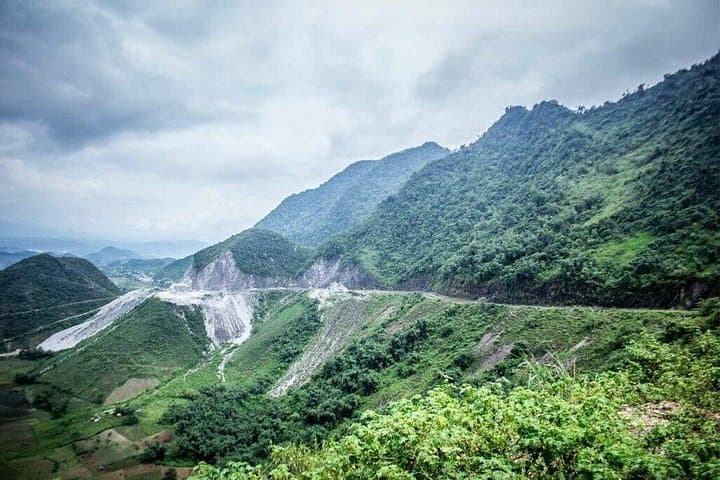
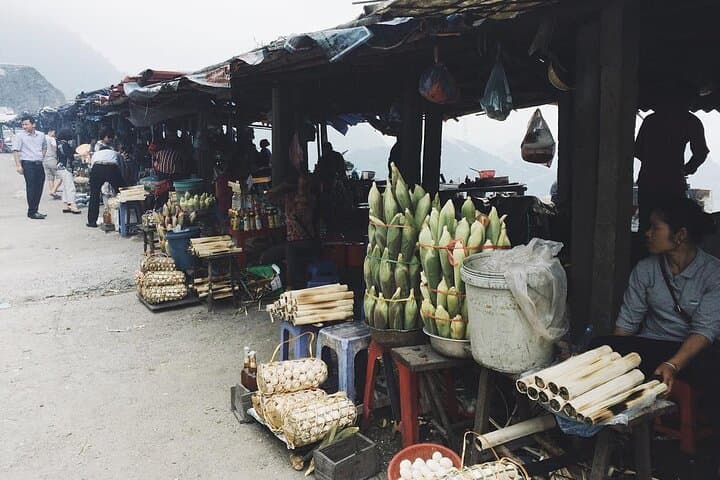
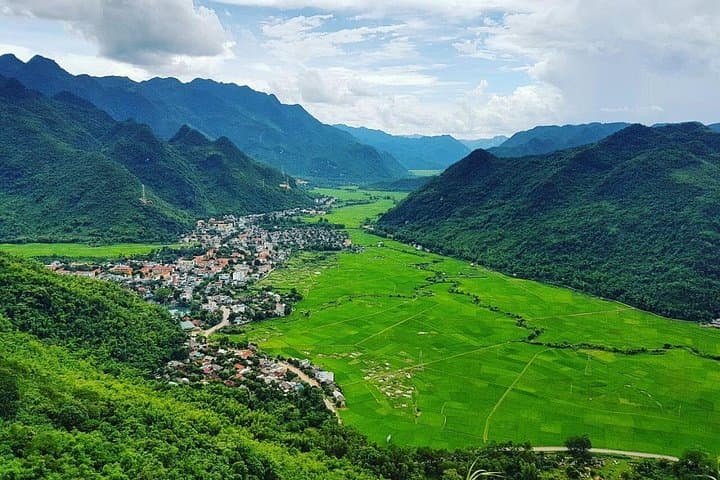
Dawn in the Red River Delta is a civil whisper; by midmorning the bus peels out of Hanoi and the city’s hum thins to the rattle of tires and the slow sweep of mountains appearing on the horizon. The first day of this two-day loop—Mai Chau to Pu Luong—unspools like a rural film: a stop at Thung Khe Pass where limestone ridges cut the sky, a market of Muong and Thai faces selling craft and produce, then a low-gear bicycle roll past paddies and stilted wooden houses.
Verified experiences and guided adventures in the surrounding area.
Operated by Authentic NINH BINH · Mai Chau, Hoa Binh
Dawn in the Red River Delta is a civil whisper; by midmorning the bus peels out of Hanoi and the city’s hum thins to the rattle of tires and the slow sweep of mountains appearing on the horizon. The first day of this two-day loop—Mai Chau to Pu Luong—unspools like a rural film: a stop at Thung Khe Pass where limestone ridges cut the sky, a market of Muong and Thai faces selling craft and produce, then a low-gear bicycle roll past paddies and stilted wooden houses.
The region is geologically young and restless. Towering limestone karsts and folded sandstone were shaped over eons and then scoured by monsoon seasons into steep ridgelines and deep valleys. The terraces that dominate Pu Luong are human edits onto that landscape—generations of rice farmers carving benches of green into steep slopes. Culturally, this is Thai and Muong country; villages still use traditional looms and communal houses, and local cuisine favors sticky rice, river fish and a sharp chili that keeps mornings honest.
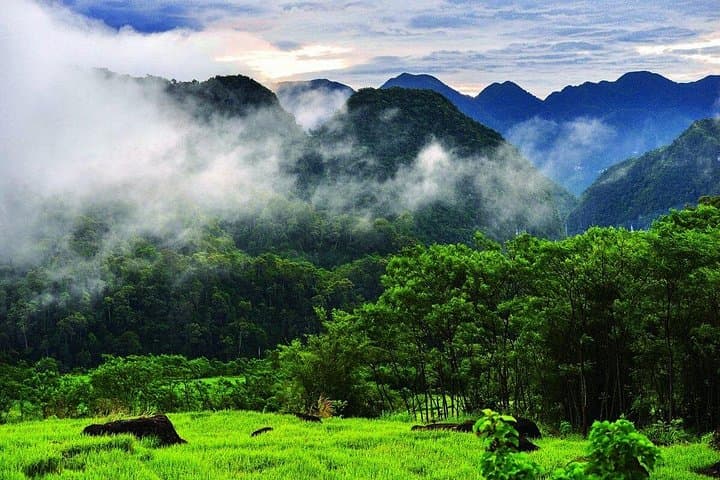
On day two the tour treads into Pu Luong Reserve, a protected patch of forest that bridges the provinces of Hoa Binh and Thanh Hoa. Expect a guided trek of 4–6 km through mixed forest and stepped rice terraces with roughly 200–400 m of cumulative elevation gain depending on the route chosen. Streams will cross the trail and the terraces will dare you to stop for photos; the landscape moves—cloud banks pushing over ridgelines, bamboo stands sighing in the wind.
Practicalities are straightforward: departures are from Hanoi’s Old Quarter with a roughly four-hour transfer to Mai Chau. Accommodation is a private standard or deluxe room with bathroom; meals include two lunches, dinner and breakfast with local dishes. The tour combines moderate cycling (flat-to-rolling roads) and hiking on uneven, sometimes muddy trails—fitness at a moderate level is required.
Timing matters. Visit during late spring or early autumn for stable weather and emerald terraces; monsoon months make trails slick and increase river crossings. Bring sturdy trekking shoes, a light waterproof, and insect protection. Hydrate on the move—water is available but treat purification options as a backup.
The appeal here is earnest: a compact two-day immersion that balances motion and pause—riding past fields, learning from village life, and climbing into a reserve where the terraces and forest still feel like a place that works to survive rather than perform for visitors. If you want a short, tactile window into northern Vietnam’s uplands—this route opens it.
Transfer time is about four hours each way from Hanoi Old Quarter to Mai Chau, with stops including Thung Khe Pass.
Overnight lodging is in a private standard or deluxe room with a bathroom inside; basic comforts are provided.
Yes—two lunches, one dinner and one breakfast featuring Vietnamese traditional dishes are included.
Cycling covers mostly flat to rolling country roads through villages and paddies; basic cycling ability is sufficient.
Infants must sit on an adult’s lap; the tour advises a moderate fitness level and may not be suitable for very young children.
The tour operates in most weather; heavy rain can make trails slippery—follow guide instructions and expect route adjustments.
Authentic NINH BINH operates guided outdoor trips and adventures with an emphasis on safety, stewardship, and memorable experiences.
Dawn in the Red River Delta is a civil whisper; by midmorning the bus peels out of Hanoi and the city’s hum thins to the rattle of tires and the slow sweep of mountains appearing on the horizon. The first day of this two-day loop—Mai Chau to Pu Luong—unspools like a rural film: a stop at Thung Khe Pass where limestone ridges cut the sky, a market of Muong and Thai faces selling craft and produce, then a low-gear bicycle roll past paddies and stilted wooden houses.
Dawn in the Red River Delta is a civil whisper; by midmorning the bus peels out of Hanoi and the city’s hum thins to the rattle of tires and the slow sweep of mountains appearing on the horizon. The first day of this two-day loop—Mai Chau to Pu Luong—unspools like a rural film: a stop at Thung Khe Pass where limestone ridges cut the sky, a market of Muong and Thai faces selling craft and produce, then a low-gear bicycle roll past paddies and stilted wooden houses.
The region is geologically young and restless. Towering limestone karsts and folded sandstone were shaped over eons and then scoured by monsoon seasons into steep ridgelines and deep valleys. The terraces that dominate Pu Luong are human edits onto that landscape—generations of rice farmers carving benches of green into steep slopes. Culturally, this is Thai and Muong country; villages still use traditional looms and communal houses, and local cuisine favors sticky rice, river fish and a sharp chili that keeps mornings honest.
On day two the tour treads into Pu Luong Reserve, a protected patch of forest that bridges the provinces of Hoa Binh and Thanh Hoa. Expect a guided trek of 4–6 km through mixed forest and stepped rice terraces with roughly 200–400 m of cumulative elevation gain depending on the route chosen. Streams will cross the trail and the terraces will dare you to stop for photos; the landscape moves—cloud banks pushing over ridgelines, bamboo stands sighing in the wind.
Practicalities are straightforward: departures are from Hanoi’s Old Quarter with a roughly four-hour transfer to Mai Chau. Accommodation is a private standard or deluxe room with bathroom; meals include two lunches, dinner and breakfast with local dishes. The tour combines moderate cycling (flat-to-rolling roads) and hiking on uneven, sometimes muddy trails—fitness at a moderate level is required.
Timing matters. Visit during late spring or early autumn for stable weather and emerald terraces; monsoon months make trails slick and increase river crossings. Bring sturdy trekking shoes, a light waterproof, and insect protection. Hydrate on the move—water is available but treat purification options as a backup.
The appeal here is earnest: a compact two-day immersion that balances motion and pause—riding past fields, learning from village life, and climbing into a reserve where the terraces and forest still feel like a place that works to survive rather than perform for visitors. If you want a short, tactile window into northern Vietnam’s uplands—this route opens it.