THE ADVENTURE COLLECTIVE® · Independent discovery and booking for outdoor travel

Trade Bangkok’s bustle for rice-paddy lanes and stilt-house hospitality on a 2-day Mai Chau loop from Hanoi. Expect leisurely cycling through the valley, a short trek to remote Thai villages, a homestay dinner and a market of handwoven brocade.
Trade Bangkok’s bustle for rice-paddy lanes and stilt-house hospitality on a 2-day Mai Chau loop from Hanoi. Expect leisurely cycling through the valley, a short trek to remote Thai villages, a homestay dinner and a market of handwoven brocade.
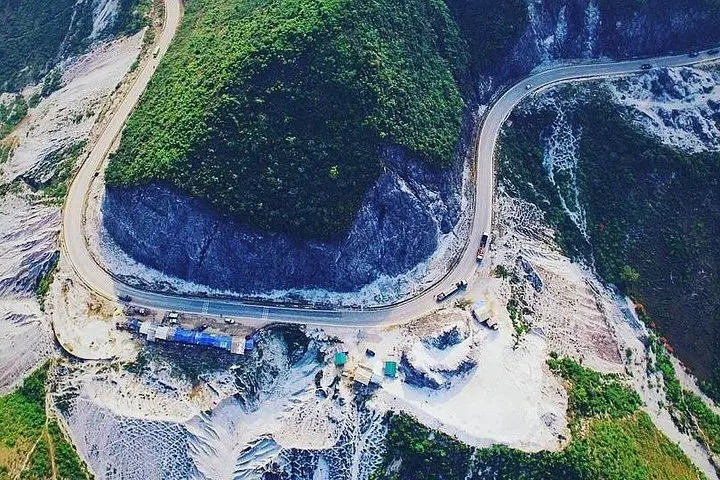
You descend from Hanoi into a different rhythm: the bus spits you out at a mountain pass where wind and clouds argue with terraced slopes below. Thung Khe Pass opens like a page of rural Vietnam — low wooden houses, patchwork rice paddies and women in indigo brocade threading the day with loom work. Over two days, this shared tour threads modern comfort with local life: a homestay on stilts, a gentle cycle through valley lanes, a short trek to remote Thai villages and a market where Muong crafts change hands.
Verified experiences and guided adventures in the surrounding area.
Operated by Charm Tourist · Mai Chau, Hoa Binh
You descend from Hanoi into a different rhythm: the bus spits you out at a mountain pass where wind and clouds argue with terraced slopes below. Thung Khe Pass opens like a page of rural Vietnam — low wooden houses, patchwork rice paddies and women in indigo brocade threading the day with loom work. Over two days, this shared tour threads modern comfort with local life: a homestay on stilts, a gentle cycle through valley lanes, a short trek to remote Thai villages and a market where Muong crafts change hands.
Geology and history show in the slopes. Mai Chau sits on folded limestone foothills that slope into a broad fluvial valley; soils here feed rice paddies that have been tended by Thai and Muong communities for generations. The landscape imposes modest uphill walks — think 200–350 meters of elevation gain on the longer walking sections — but most paths are low-gradient, alternating between compacted dirt tracks, paved village lanes and narrow footpaths beside terraces.
Culture is the terrain’s human layer. Homestays are traditional stilt houses where hosts serve regional staples: sticky rice, mountain greens and savory stews. Local brocade and hand-loomed textiles are woven into identity; visiting workshops or the hilltop temporary market at Thung Khe reveals how cloth is both art and livelihood. Guides are bilingual; expect storytelling about customs and explanations of rice cultivation and terrace irrigation.
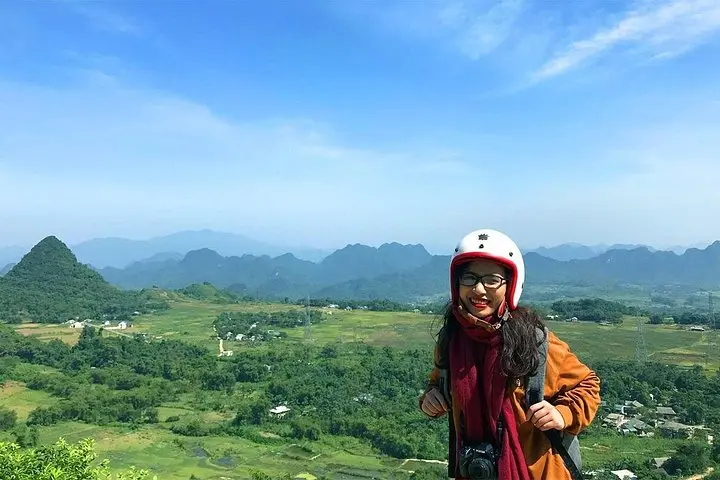
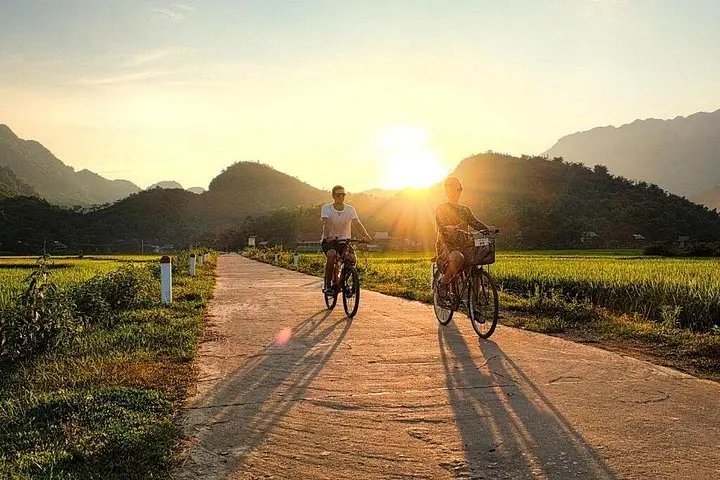
Practical guide: pack for gentle activity. The cycling leg typically covers 8–15 km at a relaxed pace on flat-to-rolling valley roads; bring a helmet and expect some loose gravel. The morning trek on day two is a series of short ascents across 4–6 km of mixed terrain and will take a few hours with stops. Temperatures vary — early mornings can be cool, afternoons warm and brief rains common in wet season — so layer for comfort.
Stay respectful: ask before photographing people, remove shoes at house entrances, and carry small-denomination notes for local purchases. Hydrate on the bus; bring a refillable bottle — potable water is available but limited in villages. If you prefer a quieter pace, choose a small-group departure or request early pickup information in advance.
Logistics: the tour runs as an overnight homestay with three meals included on day one and breakfast/lunch on day two; round-trip transport to Hanoi is provided. Fitness requirements are low, but travelers with severe mobility or cardiovascular conditions should plan alternatives. For photographers, sunrise over the valley and the late-afternoon pass offer the strongest light. With modest effort, this two-day loop delivers cultural immersion, manageable hiking and a clear, immediate sense of northern Vietnam’s rural life.
Pickup is arranged from Mai Chau Valley View Hotel and nearby accommodations; confirm your pickup point when booking.
The cycling is leisurely on flat-to-rolling roads (8–15 km); trekking sections are short with modest elevation gains (4–6 km total), suitable for most fitness levels.
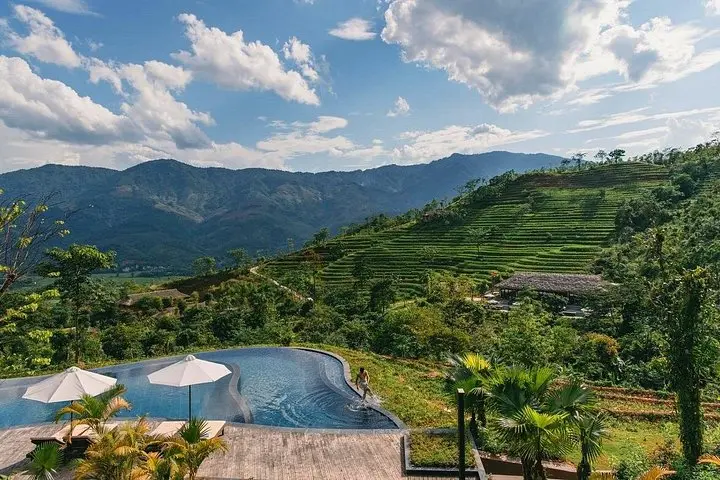
Overnight is in a local stilt-house homestay run by Thai hosts with shared rooms and traditional meals included.
Yes: lunch and dinner on day one and breakfast and lunch on day two; vegetarian options are available if requested.
Children can join, but infants must sit on laps and parents should consider rural conditions and simple facilities in homestays.
The tour is sold as all sales final; confirm departure details before booking and check weather-related cancellation contingencies.
Charm Tourist operates guided outdoor trips and adventures with an emphasis on safety, stewardship, and memorable experiences.
You descend from Hanoi into a different rhythm: the bus spits you out at a mountain pass where wind and clouds argue with terraced slopes below. Thung Khe Pass opens like a page of rural Vietnam — low wooden houses, patchwork rice paddies and women in indigo brocade threading the day with loom work. Over two days, this shared tour threads modern comfort with local life: a homestay on stilts, a gentle cycle through valley lanes, a short trek to remote Thai villages and a market where Muong crafts change hands.
You descend from Hanoi into a different rhythm: the bus spits you out at a mountain pass where wind and clouds argue with terraced slopes below. Thung Khe Pass opens like a page of rural Vietnam — low wooden houses, patchwork rice paddies and women in indigo brocade threading the day with loom work. Over two days, this shared tour threads modern comfort with local life: a homestay on stilts, a gentle cycle through valley lanes, a short trek to remote Thai villages and a market where Muong crafts change hands.
Geology and history show in the slopes. Mai Chau sits on folded limestone foothills that slope into a broad fluvial valley; soils here feed rice paddies that have been tended by Thai and Muong communities for generations. The landscape imposes modest uphill walks — think 200–350 meters of elevation gain on the longer walking sections — but most paths are low-gradient, alternating between compacted dirt tracks, paved village lanes and narrow footpaths beside terraces.
Culture is the terrain’s human layer. Homestays are traditional stilt houses where hosts serve regional staples: sticky rice, mountain greens and savory stews. Local brocade and hand-loomed textiles are woven into identity; visiting workshops or the hilltop temporary market at Thung Khe reveals how cloth is both art and livelihood. Guides are bilingual; expect storytelling about customs and explanations of rice cultivation and terrace irrigation.
Practical guide: pack for gentle activity. The cycling leg typically covers 8–15 km at a relaxed pace on flat-to-rolling valley roads; bring a helmet and expect some loose gravel. The morning trek on day two is a series of short ascents across 4–6 km of mixed terrain and will take a few hours with stops. Temperatures vary — early mornings can be cool, afternoons warm and brief rains common in wet season — so layer for comfort.
Stay respectful: ask before photographing people, remove shoes at house entrances, and carry small-denomination notes for local purchases. Hydrate on the bus; bring a refillable bottle — potable water is available but limited in villages. If you prefer a quieter pace, choose a small-group departure or request early pickup information in advance.
Logistics: the tour runs as an overnight homestay with three meals included on day one and breakfast/lunch on day two; round-trip transport to Hanoi is provided. Fitness requirements are low, but travelers with severe mobility or cardiovascular conditions should plan alternatives. For photographers, sunrise over the valley and the late-afternoon pass offer the strongest light. With modest effort, this two-day loop delivers cultural immersion, manageable hiking and a clear, immediate sense of northern Vietnam’s rural life.