THE ADVENTURE COLLECTIVE® · Independent discovery and booking for outdoor travel

Experience an intimate Maiko dance and Kyoto cuisine on a historic Noh stage. This two-hour program pairs a meal, lecture, photo time, and traditional ozashiki games for a close-up look at Kyoto’s living performing arts.
Experience an intimate Maiko dance and Kyoto cuisine on a historic Noh stage. This two-hour program pairs a meal, lecture, photo time, and traditional ozashiki games for a close-up look at Kyoto’s living performing arts.
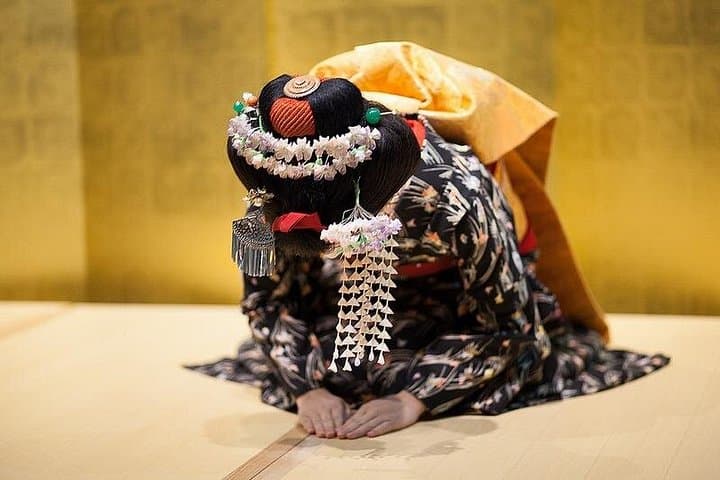
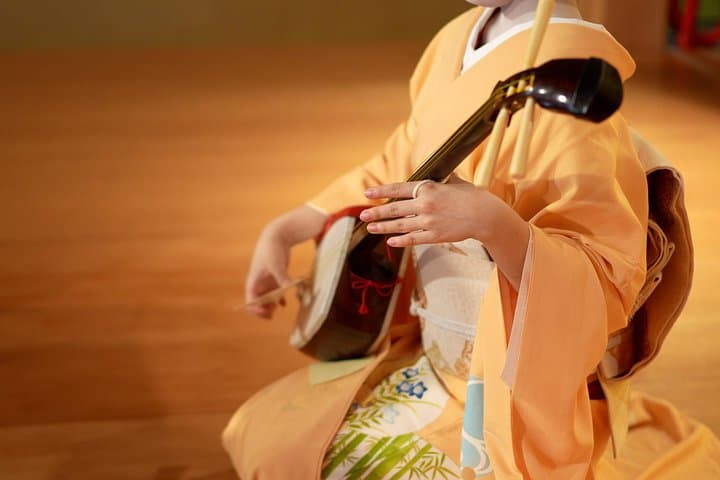
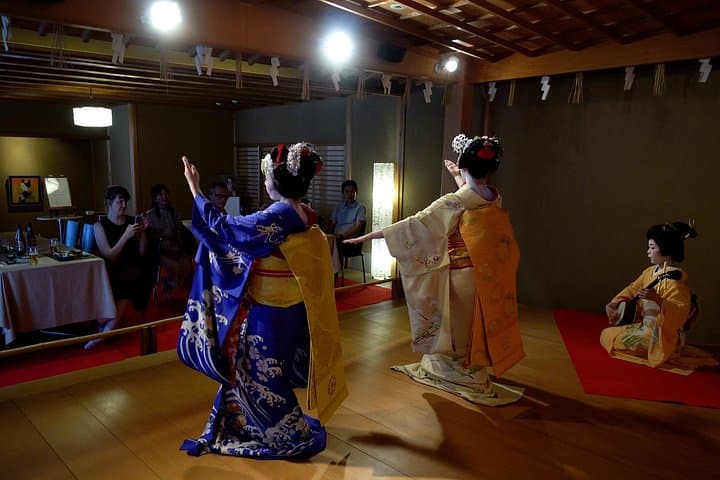
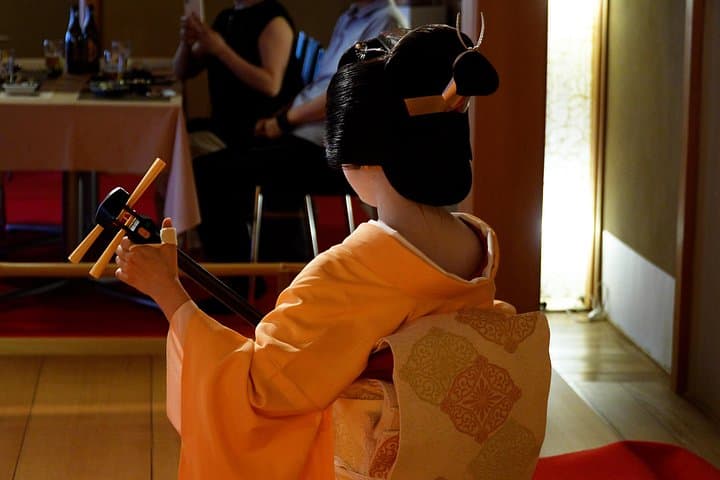
You step through a low doorway and the air shifts — lacquer, warm broth, and the soft rustle of silk. On a compact Noh stage in central Kyoto, a maiko’s slow, deliberate movements fill the room; the wooden floorboards underfoot vibrate with the hush of an audience leaning in. For two hours you move between a multi-course Kyoto lunch, an intimate dance demonstration, and hands-on ozashiki (parlor) games guided by maiko and geiko.
Verified experiences and guided adventures in the surrounding area.
Operated by 舞妓さんと楽しむ京都の四季 · Kyoto, Kyoto Prefecture
You step through a low doorway and the air shifts — lacquer, warm broth, and the soft rustle of silk. On a compact Noh stage in central Kyoto, a maiko’s slow, deliberate movements fill the room; the wooden floorboards underfoot vibrate with the hush of an audience leaning in. For two hours you move between a multi-course Kyoto lunch, an intimate dance demonstration, and hands-on ozashiki (parlor) games guided by maiko and geiko.
Kyoto’s geisha culture dates back centuries, forming around teahouses and private parlor entertainments that refined music, dance, and social ritual. The Noh stage adds another historic layer — its flat, austere platform and pine backdrop reflect Japan’s classical theater tradition even as the maiko’s colorful kimono and purposeful gestures recall the living craft of the hanamachi districts.
This experience pairs cultural context — a short lecture and Q&A — with practical access: photo time, conversation slots, and unlimited drinks for two hours. The format is accessible to first-time visitors and requires no special mobility or language skills thanks to a Kyoto-certified interpreter.
Practical guidance: arrive on time (doors open 10–15 minutes early), use public transit to central Kyoto, and reserve the minimum two participants in advance. Dress respectfully — modest, comfortable clothing and clean shoes — and be ready to follow the moderator’s directions for photos and interaction. For visitors seeking a compact, respectful window into Kyoto’s traditional arts, this program balances close-up performance with context and connection.
Yes; infants must sit on an adult’s lap and the program is generally suitable for families, though the content is best appreciated by slightly older children.
Yes — two-shot photos and designated photo times are included, but flash and intrusive behavior are not permitted.
The listing notes wheelchair access; contact the operator in advance to confirm specific accommodations and entry paths.
Full refund is available if you cancel at least 24 hours before the scheduled time; check the operator’s cancellation policy for details.
舞妓さんと楽しむ京都の四季 operates guided outdoor trips and adventures with an emphasis on safety, stewardship, and memorable experiences.
You step through a low doorway and the air shifts — lacquer, warm broth, and the soft rustle of silk. On a compact Noh stage in central Kyoto, a maiko’s slow, deliberate movements fill the room; the wooden floorboards underfoot vibrate with the hush of an audience leaning in. For two hours you move between a multi-course Kyoto lunch, an intimate dance demonstration, and hands-on ozashiki (parlor) games guided by maiko and geiko.
You step through a low doorway and the air shifts — lacquer, warm broth, and the soft rustle of silk. On a compact Noh stage in central Kyoto, a maiko’s slow, deliberate movements fill the room; the wooden floorboards underfoot vibrate with the hush of an audience leaning in. For two hours you move between a multi-course Kyoto lunch, an intimate dance demonstration, and hands-on ozashiki (parlor) games guided by maiko and geiko.
Kyoto’s geisha culture dates back centuries, forming around teahouses and private parlor entertainments that refined music, dance, and social ritual. The Noh stage adds another historic layer — its flat, austere platform and pine backdrop reflect Japan’s classical theater tradition even as the maiko’s colorful kimono and purposeful gestures recall the living craft of the hanamachi districts.
This experience pairs cultural context — a short lecture and Q&A — with practical access: photo time, conversation slots, and unlimited drinks for two hours. The format is accessible to first-time visitors and requires no special mobility or language skills thanks to a Kyoto-certified interpreter.
Practical guidance: arrive on time (doors open 10–15 minutes early), use public transit to central Kyoto, and reserve the minimum two participants in advance. Dress respectfully — modest, comfortable clothing and clean shoes — and be ready to follow the moderator’s directions for photos and interaction. For visitors seeking a compact, respectful window into Kyoto’s traditional arts, this program balances close-up performance with context and connection.