THE ADVENTURE COLLECTIVE® · Independent discovery and booking for outdoor travel

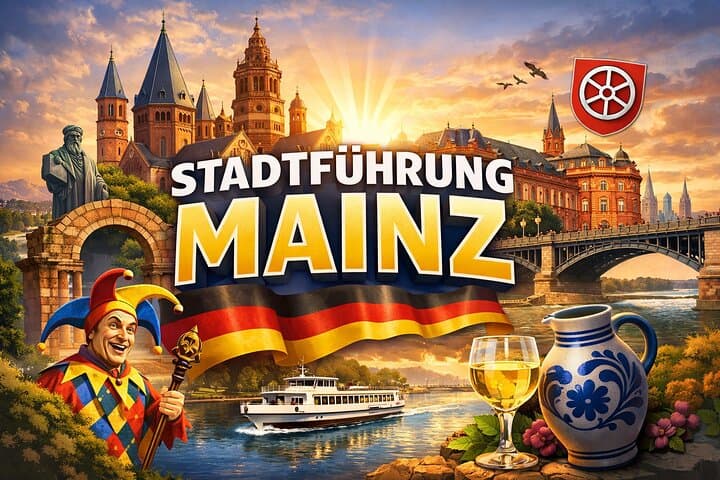
Walk Mainz’s Old Town with a bilingual guide, moving from a Roman theatre to Cathedral Square and St. Stephan’s Chagall windows. This 2¼-hour tour blends local history, architecture, and practical tips for exploring on foot.
Walk Mainz’s Old Town with a bilingual guide, moving from a Roman theatre to Cathedral Square and St. Stephan’s Chagall windows. This 2¼-hour tour blends local history, architecture, and practical tips for exploring on foot.
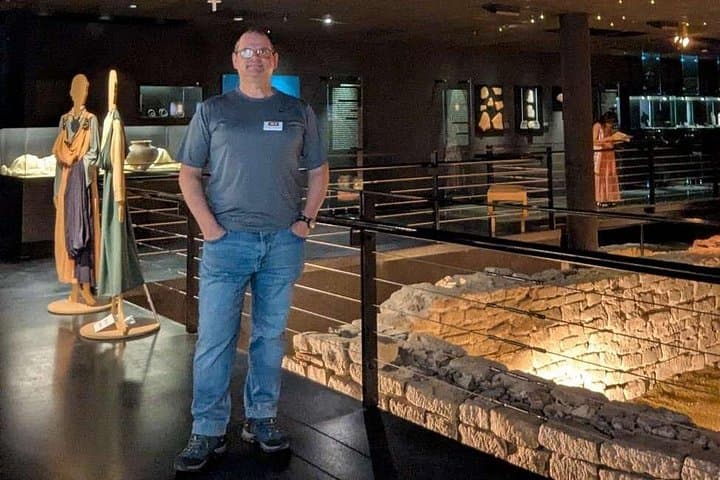
Morning light cuts across the Rhine and the tour gathers at the ruins of the Roman theatre — cobbles underfoot, the cathedral’s towers watching from a short walk away.
Verified experiences and guided adventures in the surrounding area.
Operated by Mynft-fine-art.com · Mainz, Rhineland-Palatinate
Morning light cuts across the Rhine and the tour gathers at the ruins of the Roman theatre — cobbles underfoot, the cathedral’s towers watching from a short walk away.
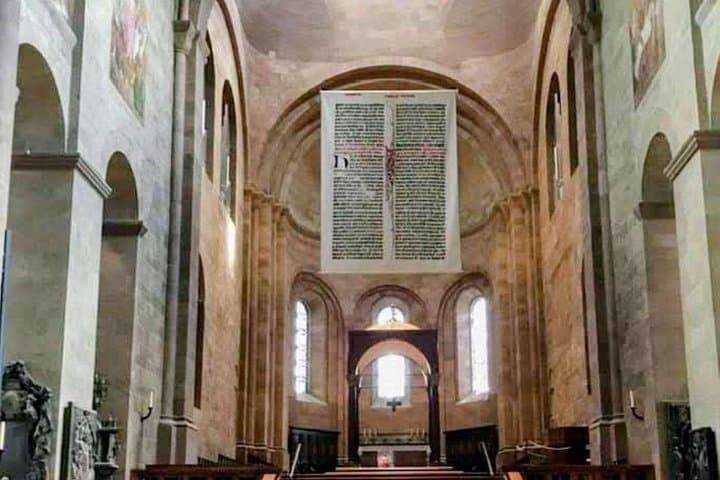
The guide moves at a measured pace: explaining Mainz’s Roman origins, the medieval growth around Cathedral Square, and the Gutenberg legacy that turned a riverside town into a printing capital. St. Stephan’s blue Chagall windows receive focused attention; the guide points out details in glass and stone while the river seems to dare pedestrians to slow and look.
Geology here is gentle — loess soils and river gravel shaped the floodplain that made Mainz a transport hub. Cultural layers are visible in half-timbered facades, Baroque squares, and the city’s Catholic cathedral complex. Expect stories about Roman construction, Gutenberg’s innovations, and how Mainz rebuilt after wartime destruction.
Practical guidance: the tour runs about 2¼ hours with short stops and low exertion walking on paved streets and some steps. Wear comfortable shoes for uneven historic paving and bring a light jacket; weather along the Rhine can change quickly. Photography is welcome; sensitive interiors like churches may limit flash. The route is largely accessible, but ask ahead about specific mobility needs. Tours offered in German and English accommodate mixed-language groups; smaller sizes make questions and local insights easy to fit in.
Finish time often lands in a central café or market area, making it simple to extend the afternoon with a riverside walk or a visit to a museum that digs deeper into Mainz’s printed past.
The guide conducts the tour in German and English to accommodate mixed-language groups.
Yes—stroller access is available and the pace is family-friendly, though watch for narrow or cobbled areas.
It starts near the Roman theatre and finishes by St. Stephan’s or Cathedral Square; the guide will confirm exact meeting points in your booking information.
The route is largely wheelchair accessible, but contact the operator before booking to discuss specific needs and tram access.
Mynft-fine-art.com operates guided outdoor trips and adventures with an emphasis on safety, stewardship, and memorable experiences.

Morning light cuts across the Rhine and the tour gathers at the ruins of the Roman theatre — cobbles underfoot, the cathedral’s towers watching from a short walk away.
Morning light cuts across the Rhine and the tour gathers at the ruins of the Roman theatre — cobbles underfoot, the cathedral’s towers watching from a short walk away.
The guide moves at a measured pace: explaining Mainz’s Roman origins, the medieval growth around Cathedral Square, and the Gutenberg legacy that turned a riverside town into a printing capital. St. Stephan’s blue Chagall windows receive focused attention; the guide points out details in glass and stone while the river seems to dare pedestrians to slow and look.
Geology here is gentle — loess soils and river gravel shaped the floodplain that made Mainz a transport hub. Cultural layers are visible in half-timbered facades, Baroque squares, and the city’s Catholic cathedral complex. Expect stories about Roman construction, Gutenberg’s innovations, and how Mainz rebuilt after wartime destruction.
Practical guidance: the tour runs about 2¼ hours with short stops and low exertion walking on paved streets and some steps. Wear comfortable shoes for uneven historic paving and bring a light jacket; weather along the Rhine can change quickly. Photography is welcome; sensitive interiors like churches may limit flash. The route is largely accessible, but ask ahead about specific mobility needs. Tours offered in German and English accommodate mixed-language groups; smaller sizes make questions and local insights easy to fit in.
Finish time often lands in a central café or market area, making it simple to extend the afternoon with a riverside walk or a visit to a museum that digs deeper into Mainz’s printed past.