THE ADVENTURE COLLECTIVE® · Independent discovery and booking for outdoor travel

Explore Seoul’s Majang Meat Market with a local guide, choose 1++ Hanwoo cuts, and grill them over charcoal at a nearby restaurant. Finish optionally at a traditional pub for craft soju and makgeolli.
Explore Seoul’s Majang Meat Market with a local guide, choose 1++ Hanwoo cuts, and grill them over charcoal at a nearby restaurant. Finish optionally at a traditional pub for craft soju and makgeolli.
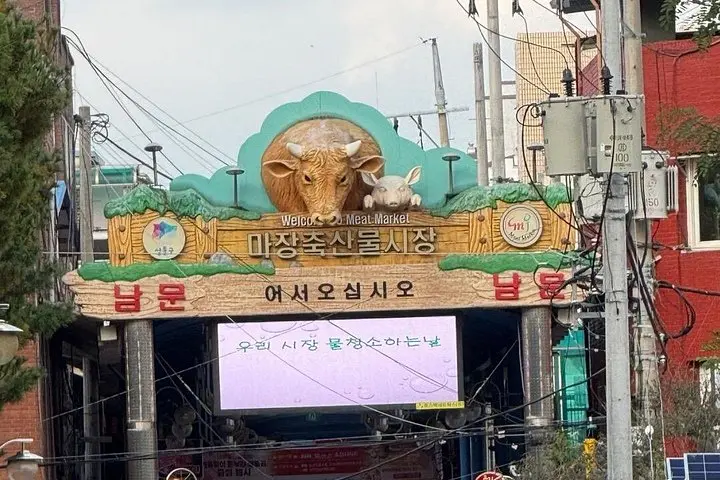
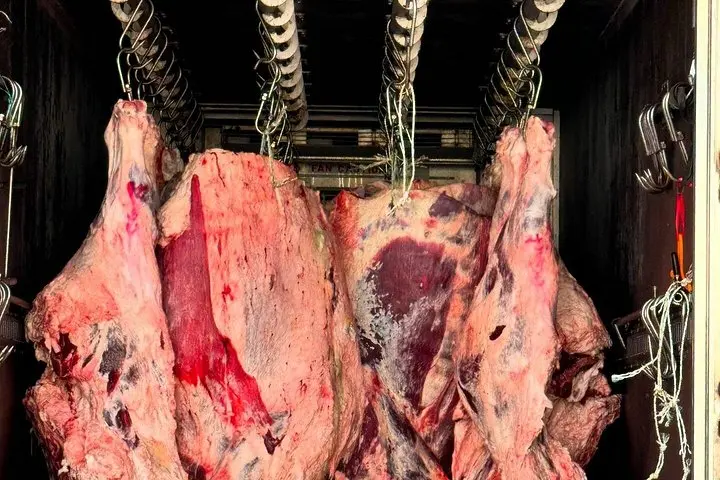
You step out of Yongdu Station, and the air changes—raw, iron-bright, threaded with the scent of fresh-cut meat and garlic. Stalls stretch in tight corridors of stainless steel and fluorescent light; butchers call out with practiced cadence, fingers pointing to marbling that gleams like river stone. This is Majang Meat Market, where Seoul’s appetite is made tangible.
Verified experiences and guided adventures in the surrounding area.
Operated by ZenKimchi Experiences · Seoul, Seoul
You step out of Yongdu Station, and the air changes—raw, iron-bright, threaded with the scent of fresh-cut meat and garlic. Stalls stretch in tight corridors of stainless steel and fluorescent light; butchers call out with practiced cadence, fingers pointing to marbling that gleams like river stone. This is Majang Meat Market, where Seoul’s appetite is made tangible.
The market grew as a centralized meat hub in the 20th century, supplying the city as pork and beef became staples of modern Korean diets. Geologically Seoul sits on a low basin shaped by the Han River; Majang occupies a working-plain edge where transport and trade converged, and that practicality still defines the place. Culture here is hands-on: learning Hanwoo grades, watching a cut trimmed to order, and hearing local banter are as much part of the meal as the meat itself.
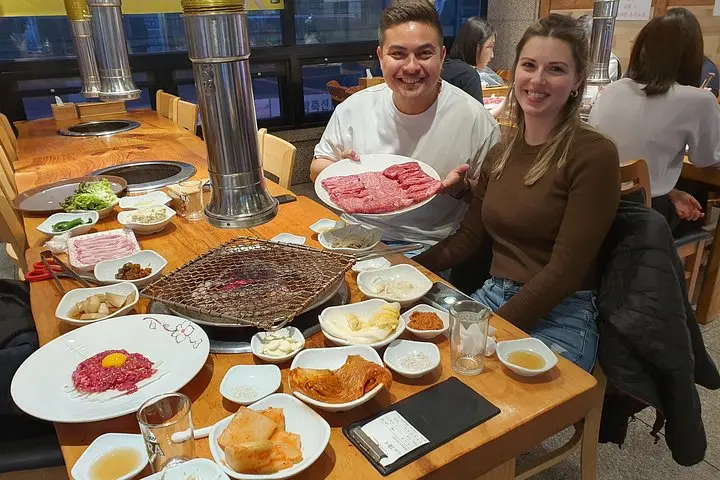
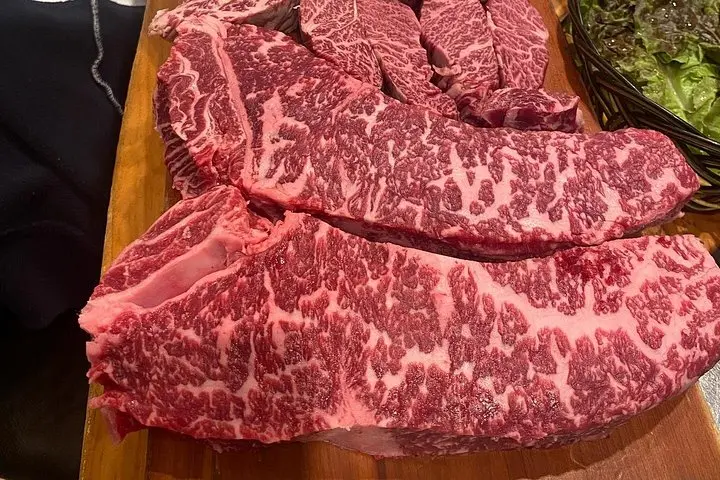
Your guide walks you through stalls, explains 1++ Hanwoo marbling, and helps you choose cuts that will behave best over charcoal. At the restaurant, coals push heat up and the meat responds—fat crackles, juices bead, and dipping sauces cut through richness. Opt to finish at a nearby pocha for small-batch soju and makgeolli; here the city’s nightlife is intimate and immediate.
Practical notes: wear closed-toe shoes for wet floors, bring a light jacket for cool evenings, and ask about spice and allergen options in advance. The tour runs about three hours, is accessible by public transit, and suits anyone comfortable on foot in a busy urban market. Expect sensory intensity, clear food literacy, and a meal that teaches as it satisfies.
No; the experience centers on selecting and grilling premium beef and pork and is not suitable for vegetarians.
The guide meets at Yongdu Station, Exit 4—this is near the market entrance and easy to reach by Seoul metro.
Tipping is not customary in most Korean restaurants; exceptional service can be acknowledged, but it’s not required.
The BBQ meal includes alcoholic beverages for guests 19+ as listed, and an optional pub stop is available for additional tastings.
ZenKimchi Experiences operates guided outdoor trips and adventures with an emphasis on safety, stewardship, and memorable experiences.
You step out of Yongdu Station, and the air changes—raw, iron-bright, threaded with the scent of fresh-cut meat and garlic. Stalls stretch in tight corridors of stainless steel and fluorescent light; butchers call out with practiced cadence, fingers pointing to marbling that gleams like river stone. This is Majang Meat Market, where Seoul’s appetite is made tangible.
You step out of Yongdu Station, and the air changes—raw, iron-bright, threaded with the scent of fresh-cut meat and garlic. Stalls stretch in tight corridors of stainless steel and fluorescent light; butchers call out with practiced cadence, fingers pointing to marbling that gleams like river stone. This is Majang Meat Market, where Seoul’s appetite is made tangible.
The market grew as a centralized meat hub in the 20th century, supplying the city as pork and beef became staples of modern Korean diets. Geologically Seoul sits on a low basin shaped by the Han River; Majang occupies a working-plain edge where transport and trade converged, and that practicality still defines the place. Culture here is hands-on: learning Hanwoo grades, watching a cut trimmed to order, and hearing local banter are as much part of the meal as the meat itself.
Your guide walks you through stalls, explains 1++ Hanwoo marbling, and helps you choose cuts that will behave best over charcoal. At the restaurant, coals push heat up and the meat responds—fat crackles, juices bead, and dipping sauces cut through richness. Opt to finish at a nearby pocha for small-batch soju and makgeolli; here the city’s nightlife is intimate and immediate.
Practical notes: wear closed-toe shoes for wet floors, bring a light jacket for cool evenings, and ask about spice and allergen options in advance. The tour runs about three hours, is accessible by public transit, and suits anyone comfortable on foot in a busy urban market. Expect sensory intensity, clear food literacy, and a meal that teaches as it satisfies.