THE ADVENTURE COLLECTIVE® · Independent discovery and booking for outdoor travel

Drive into the raw, wind-sculpted landscapes of the Gobi on a six-day journey from Ulaanbaatar to Khongor Sand Dunes, Flaming Cliffs and the 40m Chinggis Khaan statue. Expect long 4WD transfers, short hikes, ger stays and singular desert moments beneath huge skies.
Drive into the raw, wind-sculpted landscapes of the Gobi on a six-day journey from Ulaanbaatar to Khongor Sand Dunes, Flaming Cliffs and the 40m Chinggis Khaan statue. Expect long 4WD transfers, short hikes, ger stays and singular desert moments beneath huge skies.
A wind that seems to test your pace greets the convoy as the road slips away from Ulaanbaatar and the horizon opens into the Gobi. Dust rises in ribbons, camels step like time-keepers beside scrub, and the dunes of Khongor sing when the wind finds the right pitch. This is a trip of long drives, short hikes and overnight stays in traditional gers where the sky becomes a map of stars.
Verified experiences and guided adventures in the surrounding area.
Operated by Epic Mongolia Tour · Ulaanbaatar, Ulaanbaatar Municipality
A wind that seems to test your pace greets the convoy as the road slips away from Ulaanbaatar and the horizon opens into the Gobi. Dust rises in ribbons, camels step like time-keepers beside scrub, and the dunes of Khongor sing when the wind finds the right pitch. This is a trip of long drives, short hikes and overnight stays in traditional gers where the sky becomes a map of stars.
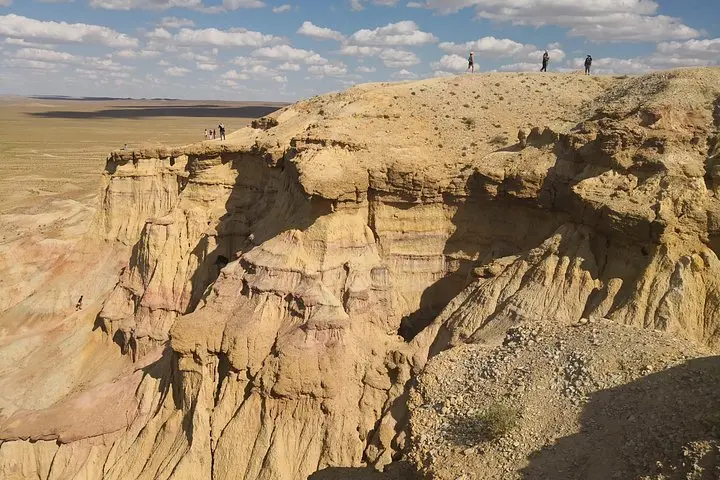
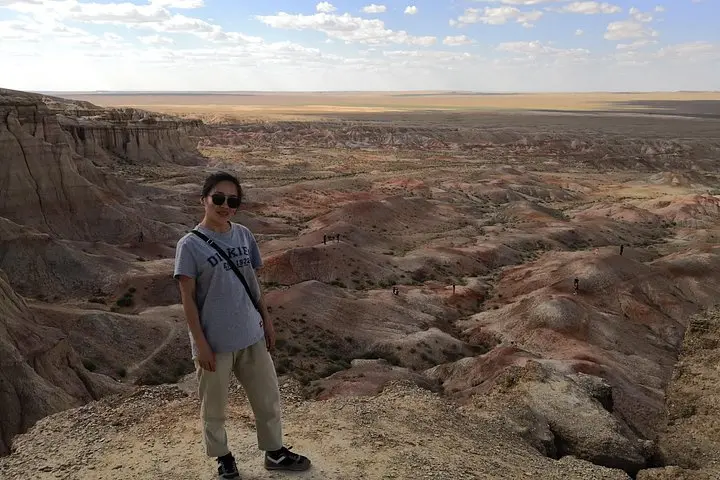
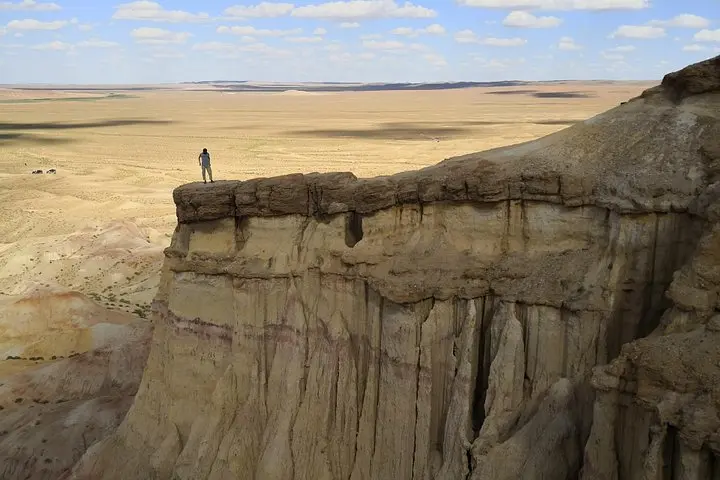
The route threads through geological chapters: the chalky cliffs of Tsagaan Suvarga shaped by millennia of wind and rain; Yolyn Am, a gorge where an old ice field once held its breath; the 1920s paleontological fame of Bayanzag (Flaming Cliffs), where dinosaur eggs were first found; and the granite folds of Baga Gazriin Chuluu. The final chapter is modern Mongolia — the 40m Chinggis Khaan statue and its museum, linking Bronze Age finds to national identity.
Practically, expect rough gravel and long transit days by 4WD, short guided walks of one to three hours, and modest ger accommodations with limited power. Bring layers for temperature swings, sun protection, sturdy boots for mixed terrain, and ample water. Cameras with a good zoom reward patient observation of steppe birds and distant camel caravans. Respect nomadic household routines, time meals for group departures, and plan a buffer day in Ulaanbaatar for flight connections. The Gobi rewards patience: its vastness isn’t just seen, it tests how quietly you can stand inside it.
Accommodation is in local ger guesthouses and small camps with hot showers at some stops and limited electricity—expect simple, clean facilities rather than full hotels.
Most roads are unpaved and bumpy; reliable 4WD vehicles and experienced drivers handle the terrain, but long drive times are normal.
This tour is not recommended for pregnant travelers and requires moderate fitness; families with young children should consider mobility and comfort on long drives.
Late spring to early fall (May–September) offers milder temperatures; July–August has the most greenery near oases but can be hot during the day.
Epic Mongolia Tour operates guided outdoor trips and adventures with an emphasis on safety, stewardship, and memorable experiences.
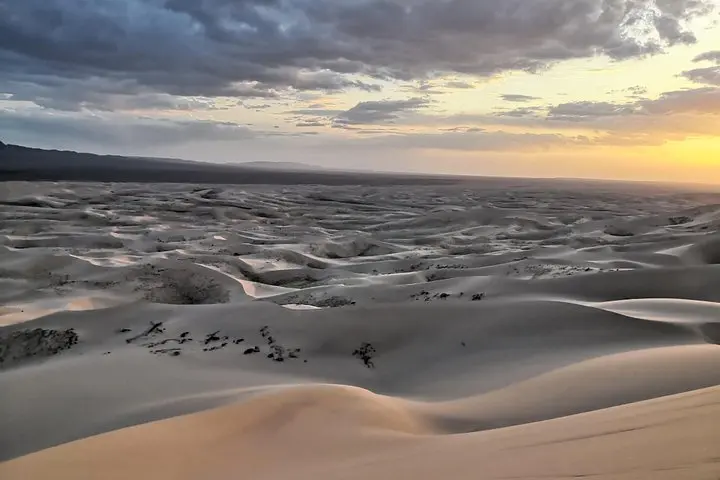
A wind that seems to test your pace greets the convoy as the road slips away from Ulaanbaatar and the horizon opens into the Gobi. Dust rises in ribbons, camels step like time-keepers beside scrub, and the dunes of Khongor sing when the wind finds the right pitch. This is a trip of long drives, short hikes and overnight stays in traditional gers where the sky becomes a map of stars.
A wind that seems to test your pace greets the convoy as the road slips away from Ulaanbaatar and the horizon opens into the Gobi. Dust rises in ribbons, camels step like time-keepers beside scrub, and the dunes of Khongor sing when the wind finds the right pitch. This is a trip of long drives, short hikes and overnight stays in traditional gers where the sky becomes a map of stars.
The route threads through geological chapters: the chalky cliffs of Tsagaan Suvarga shaped by millennia of wind and rain; Yolyn Am, a gorge where an old ice field once held its breath; the 1920s paleontological fame of Bayanzag (Flaming Cliffs), where dinosaur eggs were first found; and the granite folds of Baga Gazriin Chuluu. The final chapter is modern Mongolia — the 40m Chinggis Khaan statue and its museum, linking Bronze Age finds to national identity.
Practically, expect rough gravel and long transit days by 4WD, short guided walks of one to three hours, and modest ger accommodations with limited power. Bring layers for temperature swings, sun protection, sturdy boots for mixed terrain, and ample water. Cameras with a good zoom reward patient observation of steppe birds and distant camel caravans. Respect nomadic household routines, time meals for group departures, and plan a buffer day in Ulaanbaatar for flight connections. The Gobi rewards patience: its vastness isn’t just seen, it tests how quietly you can stand inside it.