THE ADVENTURE COLLECTIVE® · Independent discovery and booking for outdoor travel

Cross vast dunes, icy canyons and fossil-rich cliffs on a five-day private safari from Ulaanbaatar. Experience camel rides, ger stays and hikes in Yolyn Am, Khongor Els and the Flaming Cliffs.
Cross vast dunes, icy canyons and fossil-rich cliffs on a five-day private safari from Ulaanbaatar. Experience camel rides, ger stays and hikes in Yolyn Am, Khongor Els and the Flaming Cliffs.
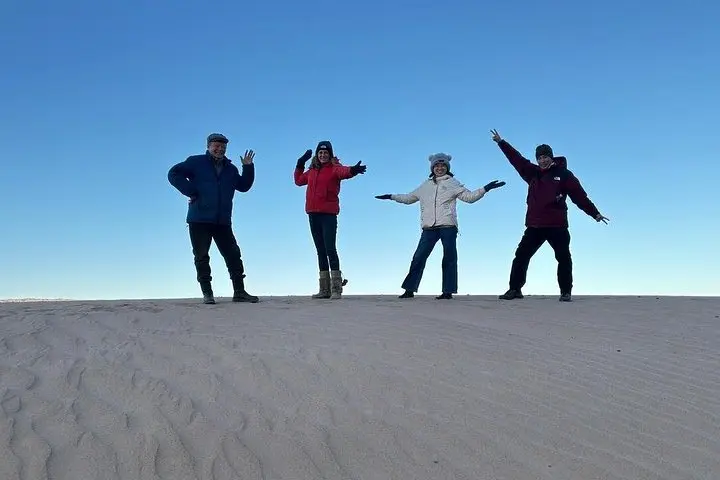
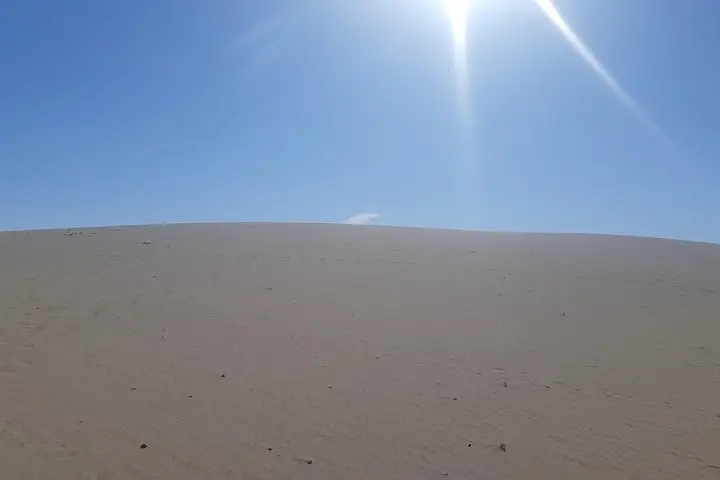
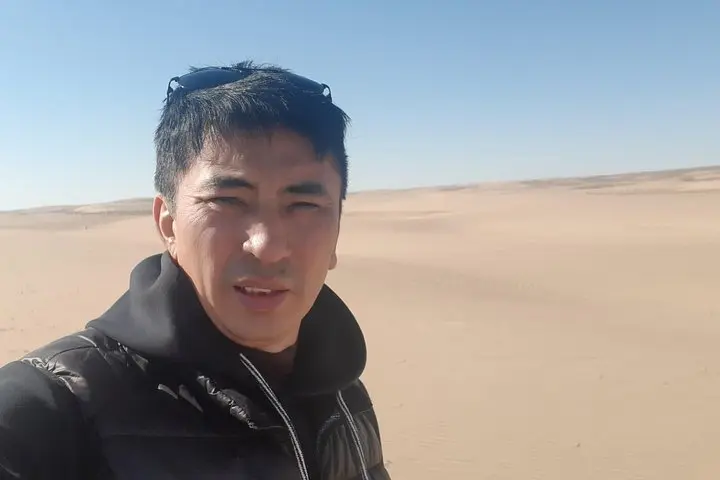
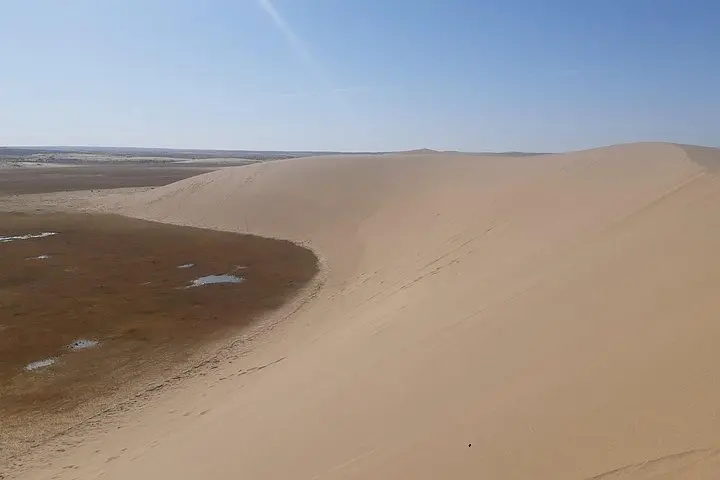
A sand-scraped wind pushes across the jeep’s roof as the desert opens into a ribbon of shadowed canyons and broad, sun-bleached dunes. On day one you leave Ulaanbaatar behind and cross the steppe toward Dalanzadgad, the low-slung town that serves as the Gobi’s gateway. Soon the road narrows and the landscape changes: Yolyn Am’s sheer walls hold ice in summer, Khongor’s dunes ripple like a shifting ocean, and Bayanzag’s red cliffs glow at dusk.
Verified experiences and guided adventures in the surrounding area.
Operated by Maral Expedition · Dalanzadgad, Ömnögovi Province
A sand-scraped wind pushes across the jeep’s roof as the desert opens into a ribbon of shadowed canyons and broad, sun-bleached dunes. On day one you leave Ulaanbaatar behind and cross the steppe toward Dalanzadgad, the low-slung town that serves as the Gobi’s gateway. Soon the road narrows and the landscape changes: Yolyn Am’s sheer walls hold ice in summer, Khongor’s dunes ripple like a shifting ocean, and Bayanzag’s red cliffs glow at dusk.
This route threads together layers of deep time and human life. The Flaming Cliffs (Bayanzag) yielded dinosaur eggs and bones in the 1920s, evidence of an inland sea that once covered this land. Khongoryn Els are living dunes, grown and reworked by season-long winds. Along the way, nomadic families still move gers and herd camels; meetings with herders offer practical glimpses into a pastoral culture shaped by climate and mobility.
Expect broad gravel tracks, occasional washboard sections and short hikes: slot-canyon walking in Yolyn Am, dune scrambling at Khongor and a ridge climb at Tsagaan Suvarga. Nights are spent in tourist camps and family gers with simple bedding and wood stoves.
Practical notes: carry layered clothing for drastic temperature swings, 3–4 liters of water per day, sun protection and sturdy boots for sand and rocky trails. Mobile signal is intermittent; bring power banks and cash for small purchases in towns. The Gobi rewards patience — move slowly and the desert will show its details.
The paved distance is about 520–560 km and takes roughly 6–8 hours by road depending on conditions and stops.
Yes—short rides on Bactrian camels are typical; camels walk slowly and are led by handlers, making them suitable for most beginners.
Accommodation alternates between basic tourist camps and family gers with beds and wood stoves—comfort is simple but authentic.
No high-altitude issues—elevations are generally 1,000–1,800 m; standard fitness is sufficient but be prepared for long drives and temperature swings.
Maral Expedition operates guided outdoor trips and adventures with an emphasis on safety, stewardship, and memorable experiences.
A sand-scraped wind pushes across the jeep’s roof as the desert opens into a ribbon of shadowed canyons and broad, sun-bleached dunes. On day one you leave Ulaanbaatar behind and cross the steppe toward Dalanzadgad, the low-slung town that serves as the Gobi’s gateway. Soon the road narrows and the landscape changes: Yolyn Am’s sheer walls hold ice in summer, Khongor’s dunes ripple like a shifting ocean, and Bayanzag’s red cliffs glow at dusk.
A sand-scraped wind pushes across the jeep’s roof as the desert opens into a ribbon of shadowed canyons and broad, sun-bleached dunes. On day one you leave Ulaanbaatar behind and cross the steppe toward Dalanzadgad, the low-slung town that serves as the Gobi’s gateway. Soon the road narrows and the landscape changes: Yolyn Am’s sheer walls hold ice in summer, Khongor’s dunes ripple like a shifting ocean, and Bayanzag’s red cliffs glow at dusk.
This route threads together layers of deep time and human life. The Flaming Cliffs (Bayanzag) yielded dinosaur eggs and bones in the 1920s, evidence of an inland sea that once covered this land. Khongoryn Els are living dunes, grown and reworked by season-long winds. Along the way, nomadic families still move gers and herd camels; meetings with herders offer practical glimpses into a pastoral culture shaped by climate and mobility.
Expect broad gravel tracks, occasional washboard sections and short hikes: slot-canyon walking in Yolyn Am, dune scrambling at Khongor and a ridge climb at Tsagaan Suvarga. Nights are spent in tourist camps and family gers with simple bedding and wood stoves.
Practical notes: carry layered clothing for drastic temperature swings, 3–4 liters of water per day, sun protection and sturdy boots for sand and rocky trails. Mobile signal is intermittent; bring power banks and cash for small purchases in towns. The Gobi rewards patience — move slowly and the desert will show its details.