THE ADVENTURE COLLECTIVE® · Independent discovery and booking for outdoor travel

Glide from Luxor to Aswan over four nights aboard a comfortable Nile cruise, visiting Karnak, the Valley of the Kings, Edfu, Kom Ombo and Philae. This itinerary pairs on-shore Egyptologist-led site visits with relaxed rivertime—ideal for travelers who want concentrated access to Upper Egypt’s highlights.
Glide from Luxor to Aswan over four nights aboard a comfortable Nile cruise, visiting Karnak, the Valley of the Kings, Edfu, Kom Ombo and Philae. This itinerary pairs on-shore Egyptologist-led site visits with relaxed rivertime—ideal for travelers who want concentrated access to Upper Egypt’s highlights.
The Nile leans into the boat as dawn breaks over Luxor—pale light warming stone columns while the ship slips away, engines soft, and life along the river unfurls: fishermen casting, palm groves nodding, and minarets punctuating sky. Over four nights you cross a living corridor of history, moving from the West Bank's shadowed tombs to the sunlit pylons of Karnak, then downstream past the Esna lock toward the carved reliefs of Edfu and the twin shrines at Kom Ombo before the modern silhouette of the Aswan High Dam.
Verified experiences and guided adventures in the surrounding area.
Operated by Egypt VIP Tours · Luxor, Luxor Governorate
The Nile leans into the boat as dawn breaks over Luxor—pale light warming stone columns while the ship slips away, engines soft, and life along the river unfurls: fishermen casting, palm groves nodding, and minarets punctuating sky. Over four nights you cross a living corridor of history, moving from the West Bank's shadowed tombs to the sunlit pylons of Karnak, then downstream past the Esna lock toward the carved reliefs of Edfu and the twin shrines at Kom Ombo before the modern silhouette of the Aswan High Dam.
This corridor was shaped by geology and empire: annual Nile floods built the alluvial plain that supported pharaonic cities, and millennia of stone-cutting and temple-building left layered archaeology—New Kingdom tombs in the Valley of the Kings, Ptolemaic reliefs at Philae, and Greco-Roman additions at Kom Ombo. Local Nubian culture remains visible in Aswan's markets and island communities. An Egyptologist guide contextualizes the symbols, dynasties, and engineering feats—like the relocation of Philae to Agilkia Island during the High Dam project.
Practical guidance: the cruise is low-impact physically but involves repeated short walks, uneven surfaces, and heat—carry a wide-brim hat, reusable water, and modest clothing for temple visits. Expect comfortable cabins, air-conditioned transfers, and full-board meals from lunch on day one to breakfast on day five. Timing matters: early-morning and late-afternoon site visits avoid the strongest sun and provide the clearest light for reliefs. Bring cash for small-site admissions, tips, and market purchases; pack sturdy shoes for stepped tombs and temple platforms. With basic planning, the route reads like a condensed survey of Upper Egypt—accessible, vividly present, and historically dense.
The cruise itself is relaxed; onshore excursions involve short walks, stairs and uneven terrain—good mobility is sufficient.
Site admission is typically not included in standard excursions—confirm with the operator and carry local currency for any entrance fees or permits.
International travelers to Egypt require a passport and often a visa; booking asks for passport details and expiry—check current visa rules before travel.
Tipping is customary for guides, drivers and crew—carry small notes in Egyptian pounds to tip after services.
Egypt VIP Tours operates guided outdoor trips and adventures with an emphasis on safety, stewardship, and memorable experiences.
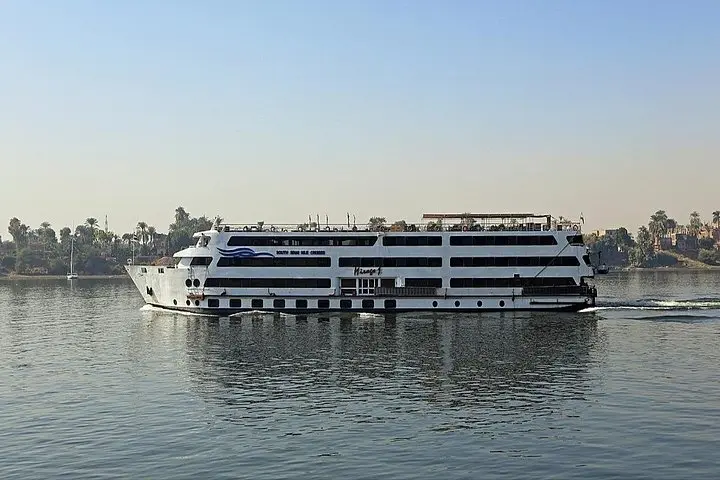

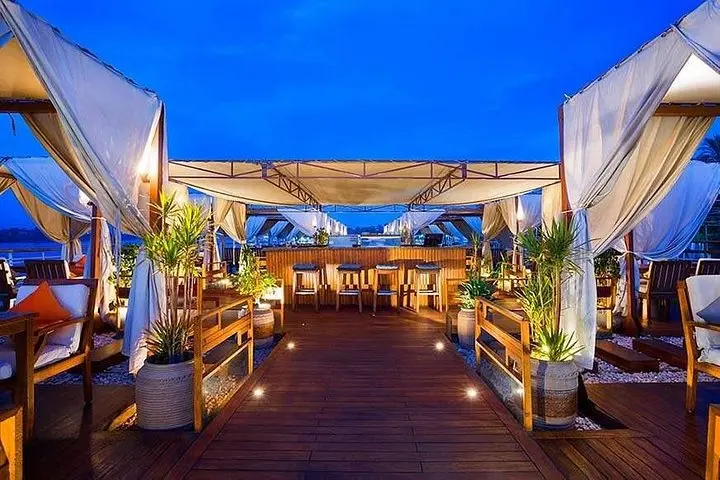
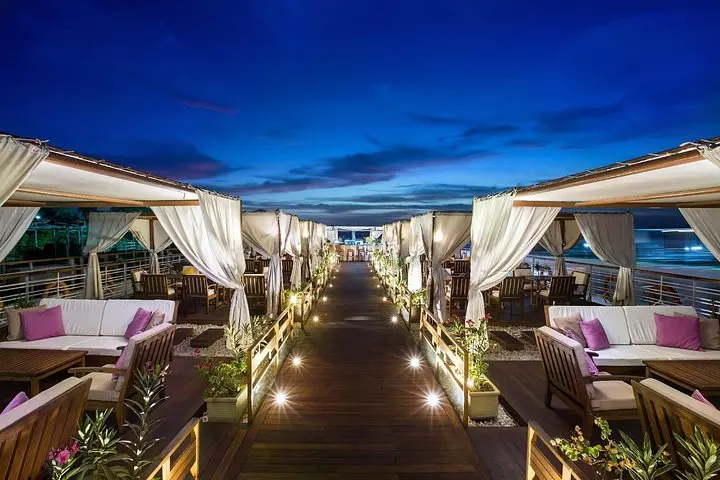
The Nile leans into the boat as dawn breaks over Luxor—pale light warming stone columns while the ship slips away, engines soft, and life along the river unfurls: fishermen casting, palm groves nodding, and minarets punctuating sky. Over four nights you cross a living corridor of history, moving from the West Bank's shadowed tombs to the sunlit pylons of Karnak, then downstream past the Esna lock toward the carved reliefs of Edfu and the twin shrines at Kom Ombo before the modern silhouette of the Aswan High Dam.
The Nile leans into the boat as dawn breaks over Luxor—pale light warming stone columns while the ship slips away, engines soft, and life along the river unfurls: fishermen casting, palm groves nodding, and minarets punctuating sky. Over four nights you cross a living corridor of history, moving from the West Bank's shadowed tombs to the sunlit pylons of Karnak, then downstream past the Esna lock toward the carved reliefs of Edfu and the twin shrines at Kom Ombo before the modern silhouette of the Aswan High Dam.
This corridor was shaped by geology and empire: annual Nile floods built the alluvial plain that supported pharaonic cities, and millennia of stone-cutting and temple-building left layered archaeology—New Kingdom tombs in the Valley of the Kings, Ptolemaic reliefs at Philae, and Greco-Roman additions at Kom Ombo. Local Nubian culture remains visible in Aswan's markets and island communities. An Egyptologist guide contextualizes the symbols, dynasties, and engineering feats—like the relocation of Philae to Agilkia Island during the High Dam project.
Practical guidance: the cruise is low-impact physically but involves repeated short walks, uneven surfaces, and heat—carry a wide-brim hat, reusable water, and modest clothing for temple visits. Expect comfortable cabins, air-conditioned transfers, and full-board meals from lunch on day one to breakfast on day five. Timing matters: early-morning and late-afternoon site visits avoid the strongest sun and provide the clearest light for reliefs. Bring cash for small-site admissions, tips, and market purchases; pack sturdy shoes for stepped tombs and temple platforms. With basic planning, the route reads like a condensed survey of Upper Egypt—accessible, vividly present, and historically dense.