THE ADVENTURE COLLECTIVE® · Independent discovery and booking for outdoor travel

Step into Majorelle’s cobalt cool before riding camels through Marrakech’s palm oasis and sharing mint tea with a Berber family. This three‑hour small‑group tour blends botanical history, Berber culture and a gentle desert trek—ideal for a morning or late‑afternoon outing.
Step into Majorelle’s cobalt cool before riding camels through Marrakech’s palm oasis and sharing mint tea with a Berber family. This three‑hour small‑group tour blends botanical history, Berber culture and a gentle desert trek—ideal for a morning or late‑afternoon outing.
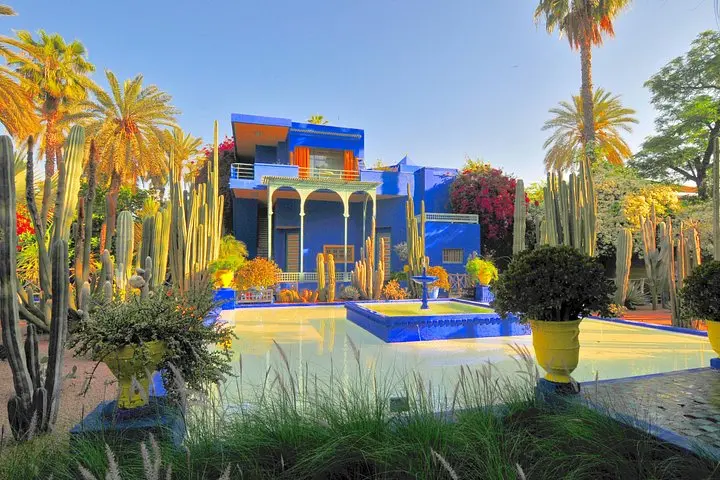
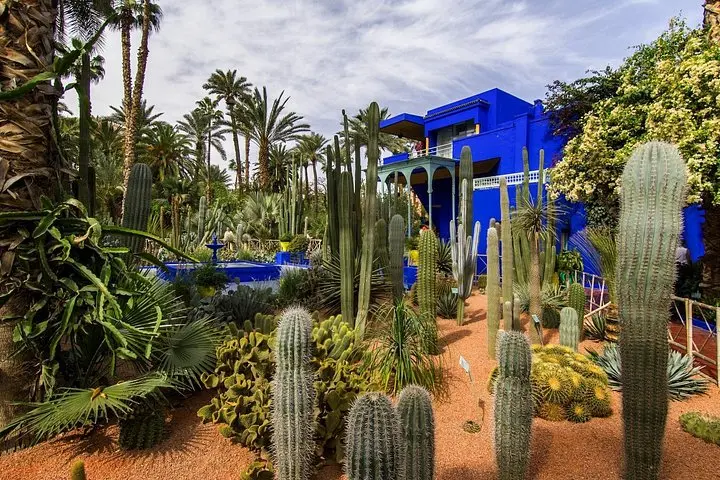
You slip through a cobalt gate and the city’s heat alters, folded into shaded paths and the cool scent of palms.
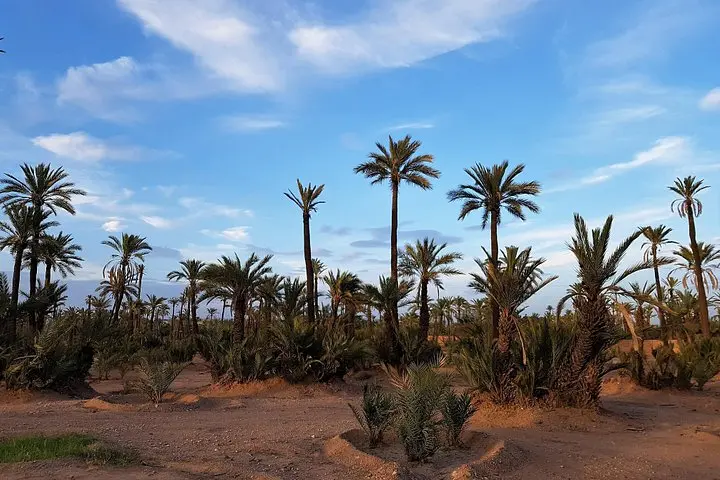
Majorelle Garden’s vivid blues and layered plantings calm the senses, then the tour shifts: a short transfer to the palm oasis, where a soft-swaying camel caravan threads between date palms and dry-drained channels that still hum with underground water.
Verified experiences and guided adventures in the surrounding area.
Operated by Morocco Inspiring Tours · Marrakech, Marrakesh-Safi
You slip through a cobalt gate and the city’s heat alters, folded into shaded paths and the cool scent of palms.
Majorelle Garden’s vivid blues and layered plantings calm the senses, then the tour shifts: a short transfer to the palm oasis, where a soft-swaying camel caravan threads between date palms and dry-drained channels that still hum with underground water.
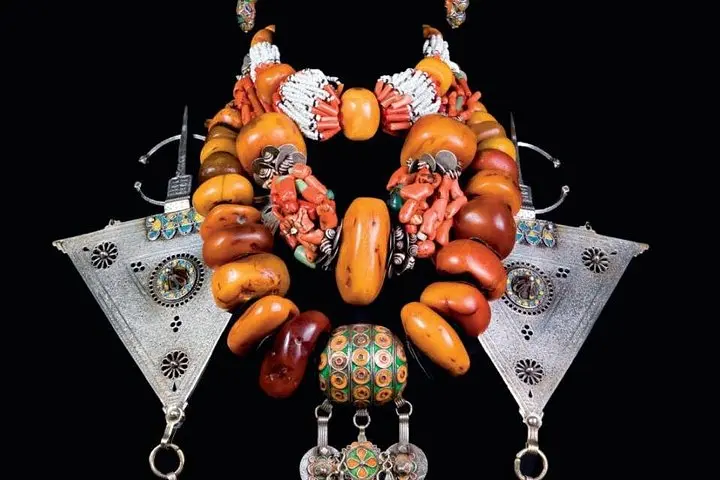
The garden was begun by painter and botanist Jacques Majorelle in the 1920s and later saved by Yves Saint Laurent and Pierre Bergé in 1980; today the adjacent Berber Museum frames artifacts—Tifinagh script, jewelry, weaving—that map centuries of Amazigh craftsmanship across Morocco’s regions.
Geologically the Haouz plain surrounding Marrakech is an alluvial basin at roughly 460–480 m elevation, with the High Atlas ridgelines visible on a clear day; the palm grove is a cultural landscape shaped by traditional irrigation and small-scale agriculture.
What to expect: a compact, 3‑hour loop with hotel pickup, skip‑the‑stress entry to Majorelle, a 45–60 minute camel ride through the palm oasis, and a visit to a Berber family for mint tea and pancakes. Walking is easy—under 1 km inside the garden—though camel terrain is uneven.
Practical tips: schedule morning or late‑afternoon departures to avoid midday heat, carry water and sun protection, and wear closed-toe shoes for the camel portion. Tours are small (max 8), wheelchair accessible areas are available for the garden, and guides typically include basic cultural context and photography stops—bring cash for small purchases or tips.
Yes—entry to Majorelle Garden and the Berber Museum are included with the tour price.
The camel ride portion is about 45–60 minutes across the palm oasis on relatively flat terrain.
The garden and transport options list wheelchair accessibility; contact the operator ahead to confirm specific assistance needs.
Yes—hotel/Riad/Airbnb pickup and drop‑off are included as part of the tour.
Morocco Inspiring Tours operates guided outdoor trips and adventures with an emphasis on safety, stewardship, and memorable experiences.
You slip through a cobalt gate and the city’s heat alters, folded into shaded paths and the cool scent of palms.
Majorelle Garden’s vivid blues and layered plantings calm the senses, then the tour shifts: a short transfer to the palm oasis, where a soft-swaying camel caravan threads between date palms and dry-drained channels that still hum with underground water.
The garden was begun by painter and botanist Jacques Majorelle in the 1920s and later saved by Yves Saint Laurent and Pierre Bergé in 1980; today the adjacent Berber Museum frames artifacts—Tifinagh script, jewelry, weaving—that map centuries of Amazigh craftsmanship across Morocco’s regions.
Geologically the Haouz plain surrounding Marrakech is an alluvial basin at roughly 460–480 m elevation, with the High Atlas ridgelines visible on a clear day; the palm grove is a cultural landscape shaped by traditional irrigation and small-scale agriculture.
What to expect: a compact, 3‑hour loop with hotel pickup, skip‑the‑stress entry to Majorelle, a 45–60 minute camel ride through the palm oasis, and a visit to a Berber family for mint tea and pancakes. Walking is easy—under 1 km inside the garden—though camel terrain is uneven.
Practical tips: schedule morning or late‑afternoon departures to avoid midday heat, carry water and sun protection, and wear closed-toe shoes for the camel portion. Tours are small (max 8), wheelchair accessible areas are available for the garden, and guides typically include basic cultural context and photography stops—bring cash for small purchases or tips.