THE ADVENTURE COLLECTIVE® · Independent discovery and booking for outdoor travel

Cross the Brahmaputra for a full-day private tour of Majuli—an island of riverside villages, living monasteries and artisan traditions. This practical guide explains what to expect, how to prepare and which seasonal windows make the visit easiest.
Cross the Brahmaputra for a full-day private tour of Majuli—an island of riverside villages, living monasteries and artisan traditions. This practical guide explains what to expect, how to prepare and which seasonal windows make the visit easiest.
River, mud and morning light: the Brahmaputra pushes and shapes Majuli, and on a private day tour from Guwahati you arrive as the island breathes. The ride across the river opens to broad wetlands, reed-lined channels and low, cultivated fields where village life moves deliberately. A friendly guide steers you through satras (Vaishnavite monasteries), artisan households and shorelines where river currents still choose the contours of land.
Verified experiences and guided adventures in the surrounding area.
Operated by Yo Tours Goa · Majuli, Assam
River, mud and morning light: the Brahmaputra pushes and shapes Majuli, and on a private day tour from Guwahati you arrive as the island breathes. The ride across the river opens to broad wetlands, reed-lined channels and low, cultivated fields where village life moves deliberately. A friendly guide steers you through satras (Vaishnavite monasteries), artisan households and shorelines where river currents still choose the contours of land.
Majuli sits on the Brahmaputra floodplain and was officially made a district in 2016 after centuries of cultural importance. Geologically young and highly dynamic, its banks change with monsoon surges; the island’s elevation is very low and terrain is flat—packed earth roads, occasional sandy stretches and narrow footpaths between thatch and bamboo. Culturally, Majuli is a center of Assamese neo-Vaishnavite arts: mask-making, xatra music and pottery are visible in daily life.
Practical guidance: expect a full 12-hour day with boat or ferry segments plus driving in an air-conditioned vehicle. Wear sturdy walking shoes that handle mud, bring sun and rain protection, and carry water—shops are available but sparse between villages. Timing matters: winter and late autumn offer clearer skies and easier crossings; monsoon swells can make access slow. Bring cash for small purchases, be prepared for uneven packing of schedules, and allow time to sit with a storyteller—local guides frame the island’s history better than any brochure. This is an observational, low-strain outing that rewards patience: the river is always moving and so is the story of Majuli.
Expect roughly 3–4 hours each way by road plus ferry time; total door-to-door can be about 12 hours depending on river crossing schedules.
Meals are typically not included; your guide can recommend local eateries or arrange a village meal at extra cost—carry snacks for the transit portions.
Yes—terrain is generally flat and the tour is described as physically easy, but boat transfers and long travel time mean you should assess tolerance for sitting and short walks.
Yes—most private day tours include visits to satras (Vaishnavite monasteries) and artisan demonstrations such as mask-making and pottery, weather and timing permitting.
Yo Tours Goa operates guided outdoor trips and adventures with an emphasis on safety, stewardship, and memorable experiences.
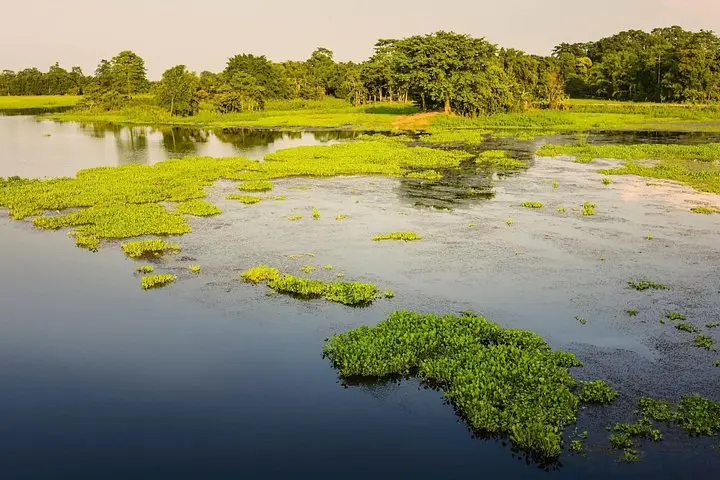
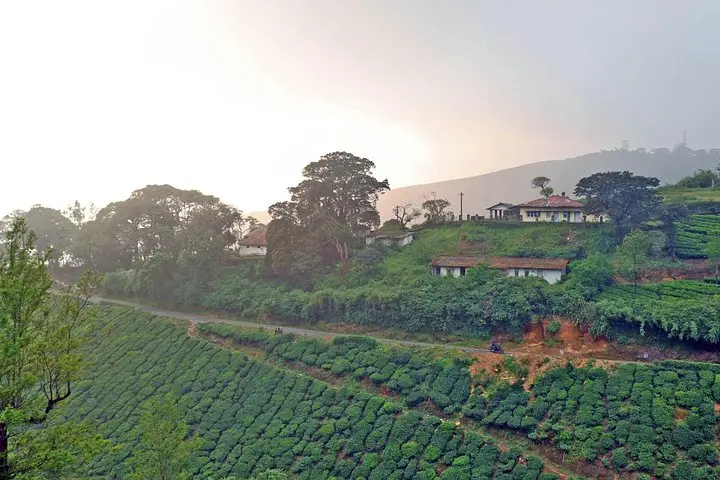
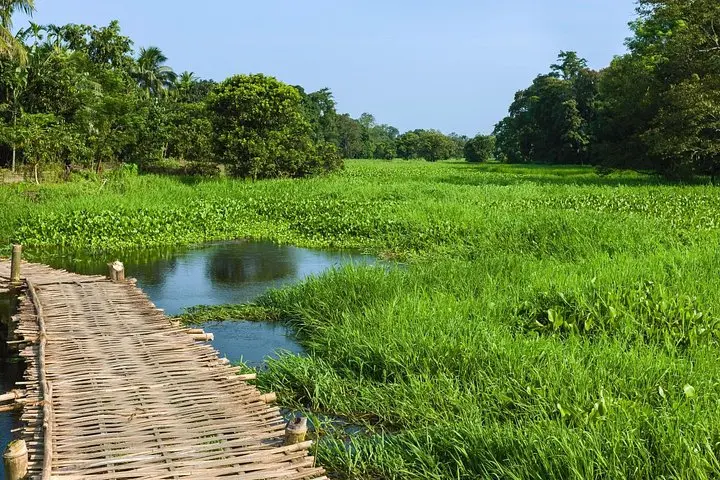
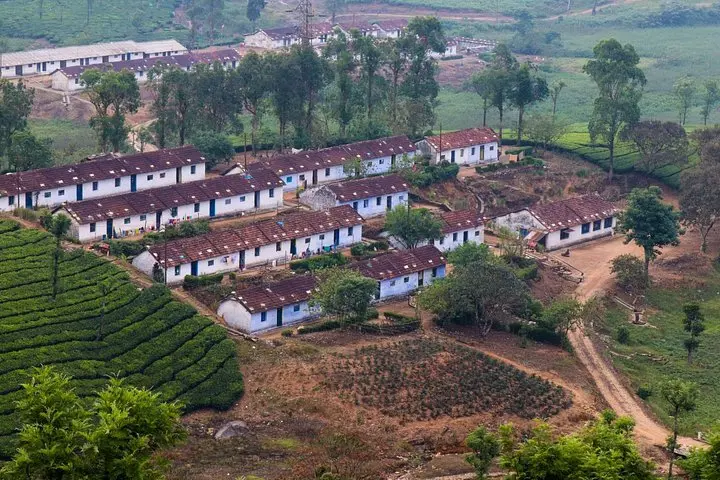
River, mud and morning light: the Brahmaputra pushes and shapes Majuli, and on a private day tour from Guwahati you arrive as the island breathes. The ride across the river opens to broad wetlands, reed-lined channels and low, cultivated fields where village life moves deliberately. A friendly guide steers you through satras (Vaishnavite monasteries), artisan households and shorelines where river currents still choose the contours of land.
River, mud and morning light: the Brahmaputra pushes and shapes Majuli, and on a private day tour from Guwahati you arrive as the island breathes. The ride across the river opens to broad wetlands, reed-lined channels and low, cultivated fields where village life moves deliberately. A friendly guide steers you through satras (Vaishnavite monasteries), artisan households and shorelines where river currents still choose the contours of land.
Majuli sits on the Brahmaputra floodplain and was officially made a district in 2016 after centuries of cultural importance. Geologically young and highly dynamic, its banks change with monsoon surges; the island’s elevation is very low and terrain is flat—packed earth roads, occasional sandy stretches and narrow footpaths between thatch and bamboo. Culturally, Majuli is a center of Assamese neo-Vaishnavite arts: mask-making, xatra music and pottery are visible in daily life.
Practical guidance: expect a full 12-hour day with boat or ferry segments plus driving in an air-conditioned vehicle. Wear sturdy walking shoes that handle mud, bring sun and rain protection, and carry water—shops are available but sparse between villages. Timing matters: winter and late autumn offer clearer skies and easier crossings; monsoon swells can make access slow. Bring cash for small purchases, be prepared for uneven packing of schedules, and allow time to sit with a storyteller—local guides frame the island’s history better than any brochure. This is an observational, low-strain outing that rewards patience: the river is always moving and so is the story of Majuli.