THE ADVENTURE COLLECTIVE® · Independent discovery and booking for outdoor travel

A technical, long-duration mountaineering expedition to Makalu (8,485 m) that follows the Arun valley approach through Tumlingtar, Num and Seduwa. This guide outlines what to expect on the trail, key logistical needs, and essential preparation for a high-altitude summit bid.
A technical, long-duration mountaineering expedition to Makalu (8,485 m) that follows the Arun valley approach through Tumlingtar, Num and Seduwa. This guide outlines what to expect on the trail, key logistical needs, and essential preparation for a high-altitude summit bid.
You wake before dawn at a high camp and the ridge is already shaping the light: wind rakes the snow, seracs throw long shadows, and the mountain seems to test each step before you commit.
Verified experiences and guided adventures in the surrounding area.
Operated by Alpine Luxury Treks Pvt Ltd · Tumlingtar, Province No. 1
You wake before dawn at a high camp and the ridge is already shaping the light: wind rakes the snow, seracs throw long shadows, and the mountain seems to test each step before you commit.
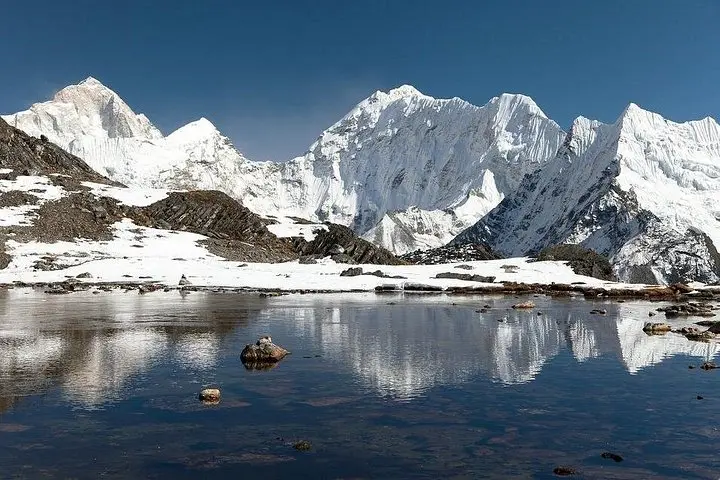
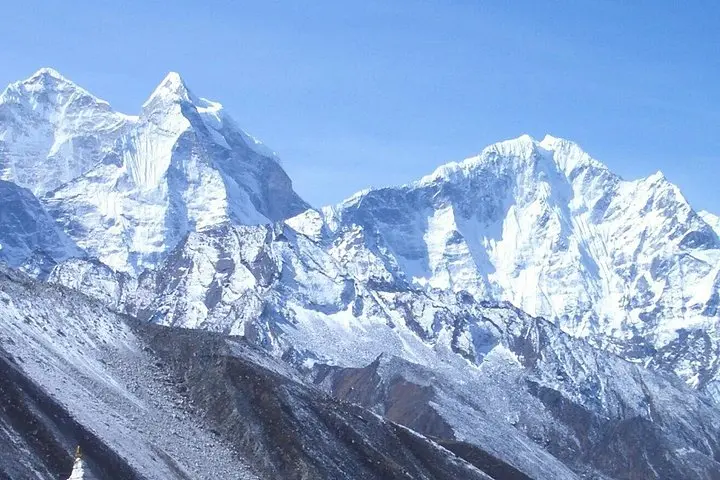
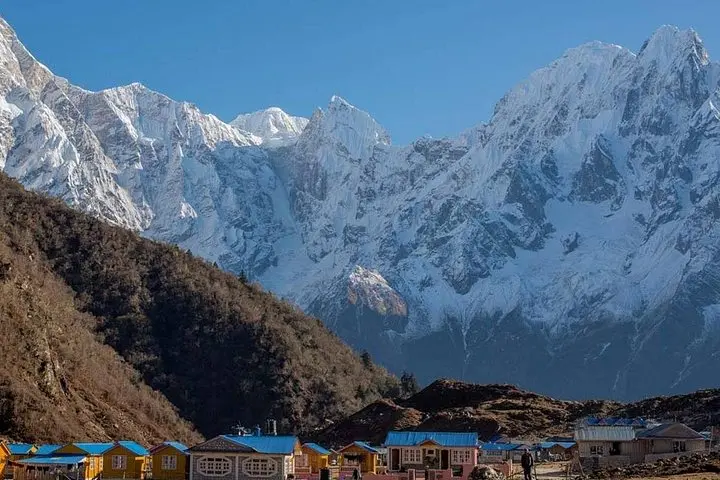
Makalu (8,485 m) sits east of Everest in the Mahalangur Himalayas and was first topped in 1955 by a French team including Lionel Terray and Jean Couzy. Geologically it is a steep, pyramid-like peak of metamorphic rock capped by glacial ice; its sharp ridges and vertical faces demand committed technical climbing. The approach follows the Arun River valley and passes villages such as Num and Seduwa—places where Rai and Limbu cultures maintain seasonal farming, stone chortens, and highland hospitality.
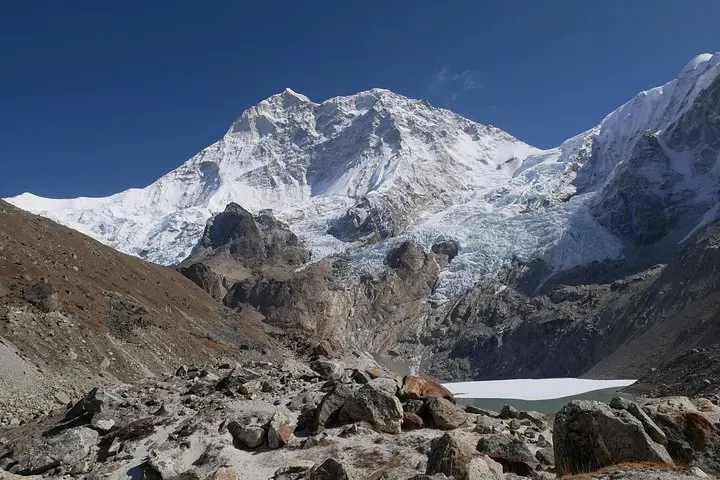
On an expedition you’ll move slowly: long treks from Tumlingtar, staged camps up to Base Camp (~4,812 m), then rotations to higher camps for acclimatization before committing to summit pushes. Expect mixed snow and ice, fixed ropes, crevasse terrain, and sections of steep alpine ice and rock.
Practical guidance: train with load-bearing long hikes and technical rope practice, plan for 6–8 weeks, and budget extra days for weather and acclimatization. Hydration and sleep matter as much as crampon technique; monitor for altitude illness and have clear evacuation and rescue plans. Footwear should be rigid, insulating, and broken in; carry layered clothing and an expedition down suit for summit nights.
A Makalu expedition is technical and remote—rewarding for climbers prepared to match the mountain’s pace with patience, skills, and careful planning.
Expect 6–8 weeks from Kathmandu to return, including acclimatization rotations, summit attempts, and weather delays.
Yes—prior high-altitude climbs and proven technical ice/rock experience are strongly recommended before attempting Makalu.
A Nepal climbing permit and peak-specific permissions are required; expeditions typically arrange permits as part of the package.
Very remote—evacuation depends on helicopter access from designated landing zones and the expedition’s rescue plan; self-sufficiency and insurance are essential.
Alpine Luxury Treks Pvt Ltd operates guided outdoor trips and adventures with an emphasis on safety, stewardship, and memorable experiences.
You wake before dawn at a high camp and the ridge is already shaping the light: wind rakes the snow, seracs throw long shadows, and the mountain seems to test each step before you commit.
You wake before dawn at a high camp and the ridge is already shaping the light: wind rakes the snow, seracs throw long shadows, and the mountain seems to test each step before you commit.
Makalu (8,485 m) sits east of Everest in the Mahalangur Himalayas and was first topped in 1955 by a French team including Lionel Terray and Jean Couzy. Geologically it is a steep, pyramid-like peak of metamorphic rock capped by glacial ice; its sharp ridges and vertical faces demand committed technical climbing. The approach follows the Arun River valley and passes villages such as Num and Seduwa—places where Rai and Limbu cultures maintain seasonal farming, stone chortens, and highland hospitality.
On an expedition you’ll move slowly: long treks from Tumlingtar, staged camps up to Base Camp (~4,812 m), then rotations to higher camps for acclimatization before committing to summit pushes. Expect mixed snow and ice, fixed ropes, crevasse terrain, and sections of steep alpine ice and rock.
Practical guidance: train with load-bearing long hikes and technical rope practice, plan for 6–8 weeks, and budget extra days for weather and acclimatization. Hydration and sleep matter as much as crampon technique; monitor for altitude illness and have clear evacuation and rescue plans. Footwear should be rigid, insulating, and broken in; carry layered clothing and an expedition down suit for summit nights.
A Makalu expedition is technical and remote—rewarding for climbers prepared to match the mountain’s pace with patience, skills, and careful planning.