THE ADVENTURE COLLECTIVE® · Independent discovery and booking for outdoor travel

Cross the Kelani in a traditional dugout canoe, thread a shady rainforest trail and finish at old waterfalls with natural swimming holes. This approachable half-day hike blends endemic birdwatching with local village interaction.
Cross the Kelani in a traditional dugout canoe, thread a shady rainforest trail and finish at old waterfalls with natural swimming holes. This approachable half-day hike blends endemic birdwatching with local village interaction.
A low-slung dugout canoe parts the Kelani River and the village greets you with the sound of sandals and birdsong. You step ashore beneath a closed canopy where damp air rides down from the hills and the trail threads between buttressed trunks. The river dares you to look back; the forest pulls you forward.
Verified experiences and guided adventures in the surrounding area.
Operated by Sri Lanka Day Tours · Kitulgala, Sabaragamuwa Province
A low-slung dugout canoe parts the Kelani River and the village greets you with the sound of sandals and birdsong. You step ashore beneath a closed canopy where damp air rides down from the hills and the trail threads between buttressed trunks. The river dares you to look back; the forest pulls you forward.
Makandawa sits on the wet western slope of Sri Lanka, a pocket of rainforest shaped by ancient rainfall patterns and river incision. The geology here is old crystalline rock under a thin skin of soil, feeding the cascades that formed when water found fractures and dropped in steps. For generations, villagers have used dugout canoes to cross the Kelani, and today those same crossings link community life with the reserve’s trails.
Expect dense shade, endemic birds calling from different levels of the canopy, and several modest waterfalls whose pools take the warmth from a long day's walk. Local guides—often from the village—bring cultural context: fishing practices, seasonal foraging, and the etiquette of visiting sacred groves.
Practical guidance: plan for a 4–5 hour outing with sections of uneven root-strewn trail and short creek crossings; wear grippy shoes and bring a waterproof layer. Hydrate before you go—the forest cools, but the effort is steady. Respect private gardens near the village, follow your guide’s route, and avoid leaving any trace at the waterfalls. Combine this hike easily with nearby Kitulgala whitewater activities if your itinerary allows.
Crossing is by village dugout canoe piloted by a local boatman—short, safe transfers used by residents; the guide coordinates timing.
Yes at some natural pools; swim only when the guide says it’s safe—currents and submerged rocks can appear after rain.
No—an experienced naturalist guide points out species and calls; bring binoculars for the best views.
Older children with moderate hiking ability can do the trail; supervise around water and steep banks.
Sri Lanka Day Tours operates guided outdoor trips and adventures with an emphasis on safety, stewardship, and memorable experiences.
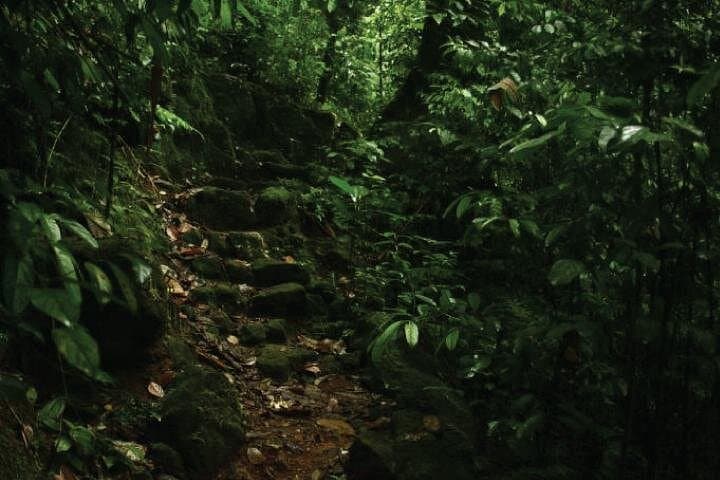
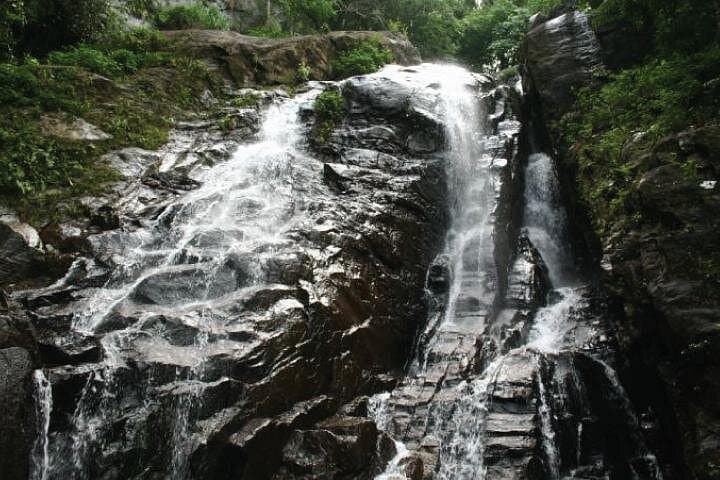


A low-slung dugout canoe parts the Kelani River and the village greets you with the sound of sandals and birdsong. You step ashore beneath a closed canopy where damp air rides down from the hills and the trail threads between buttressed trunks. The river dares you to look back; the forest pulls you forward.
A low-slung dugout canoe parts the Kelani River and the village greets you with the sound of sandals and birdsong. You step ashore beneath a closed canopy where damp air rides down from the hills and the trail threads between buttressed trunks. The river dares you to look back; the forest pulls you forward.
Makandawa sits on the wet western slope of Sri Lanka, a pocket of rainforest shaped by ancient rainfall patterns and river incision. The geology here is old crystalline rock under a thin skin of soil, feeding the cascades that formed when water found fractures and dropped in steps. For generations, villagers have used dugout canoes to cross the Kelani, and today those same crossings link community life with the reserve’s trails.
Expect dense shade, endemic birds calling from different levels of the canopy, and several modest waterfalls whose pools take the warmth from a long day's walk. Local guides—often from the village—bring cultural context: fishing practices, seasonal foraging, and the etiquette of visiting sacred groves.
Practical guidance: plan for a 4–5 hour outing with sections of uneven root-strewn trail and short creek crossings; wear grippy shoes and bring a waterproof layer. Hydrate before you go—the forest cools, but the effort is steady. Respect private gardens near the village, follow your guide’s route, and avoid leaving any trace at the waterfalls. Combine this hike easily with nearby Kitulgala whitewater activities if your itinerary allows.