THE ADVENTURE COLLECTIVE® · Independent discovery and booking for outdoor travel

Spend three hours learning traditional Malaysian batik in Aventura with a local artist. Paint a pre-designed 100% cotton scarf, learn tjanting and wax-resist techniques, and have your finished piece washed and delivered or mailed.
Spend three hours learning traditional Malaysian batik in Aventura with a local artist. Paint a pre-designed 100% cotton scarf, learn tjanting and wax-resist techniques, and have your finished piece washed and delivered or mailed.
Sunlight filters through a small studio window while a stretched 100% cotton scarf waits on the table, its outlines drawn in pencil like a map of possibilities. In this Aventura workshop a Malaysian artist demonstrates tjanting and wax-resist lines, the slow hiss of hot wax punctuating conversation as participants dip brushes and shape color with deliberate strokes.
Verified experiences and guided adventures in the surrounding area.
Operated by Munirah Rimer · Aventura, Florida
Sunlight filters through a small studio window while a stretched 100% cotton scarf waits on the table, its outlines drawn in pencil like a map of possibilities. In this Aventura workshop a Malaysian artist demonstrates tjanting and wax-resist lines, the slow hiss of hot wax punctuating conversation as participants dip brushes and shape color with deliberate strokes.
Batik is centuries old in Southeast Asia; the technique arrived in Malaysia via trade and evolved alongside regional dyes and motifs. In Miami’s subtropical landscape—built on limestone and braided by intracoastal waterways—this classroom of color sits amid a very different cultural and physical geography. The instructor pairs that lineage with practical technique: how to load a tjanting, where to place wax breaks for layered color, and why cotton accepts dye differently than silk.
The experience balances craft history and hands-on practice. Expect a three-hour session, all materials supplied, and the option to request a custom design with 48 hours’ notice. After painting, the instructor removes the wax and can either hand-deliver the finished scarf locally or mail it home.
Plan to wear clothes you don’t mind getting dye on, arrive hydrated, and allow time to finish slowly—the painting stage is meditative more than hurried. The studio is wheelchair accessible in most cases but note the host’s advisory about spinal injuries. This is a low-impact, high-creativity outing ideal for travelers who want a meaningful souvenir and a compact introduction to a technique with deep cultural roots.
No. The workshop is designed for beginners and experienced painters alike; the instructor guides every step.
Yes—send an image at least 48 hours before the class so the instructor can prepare the pattern.
The instructor removes the wax after painting; depending on timing they can deliver it locally the same day or mail it to your address.
Older children can participate under supervision; check with the host about age limits and safety around hot wax.
Munirah Rimer operates guided outdoor trips and adventures with an emphasis on safety, stewardship, and memorable experiences.
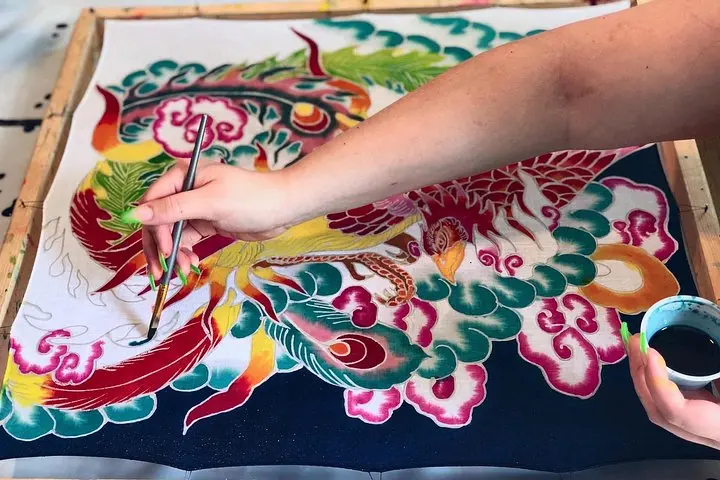
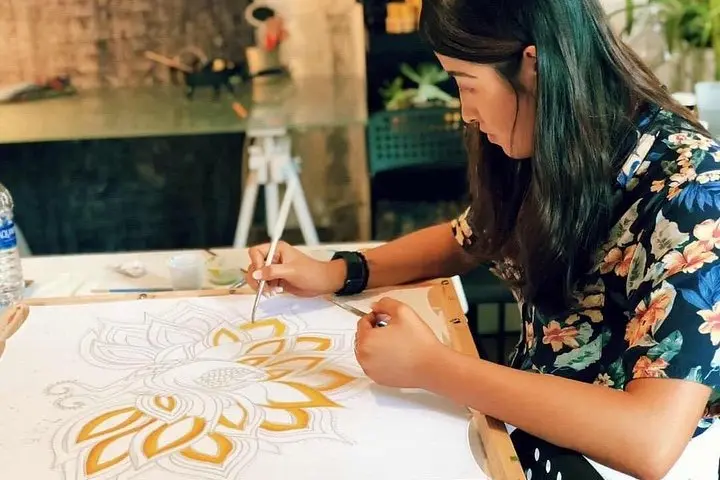
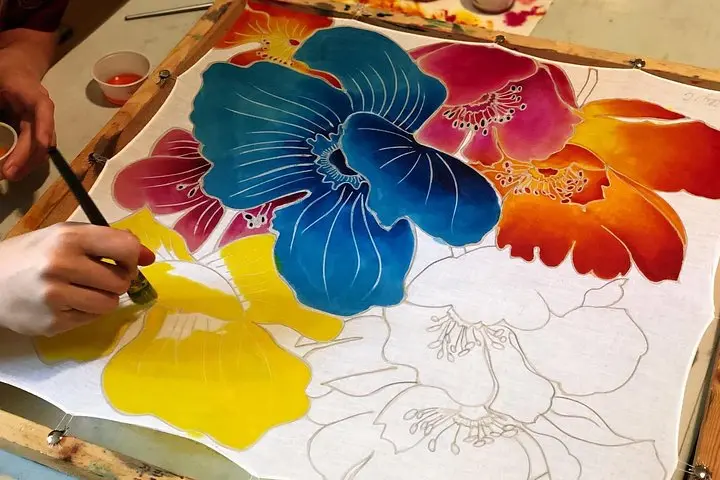
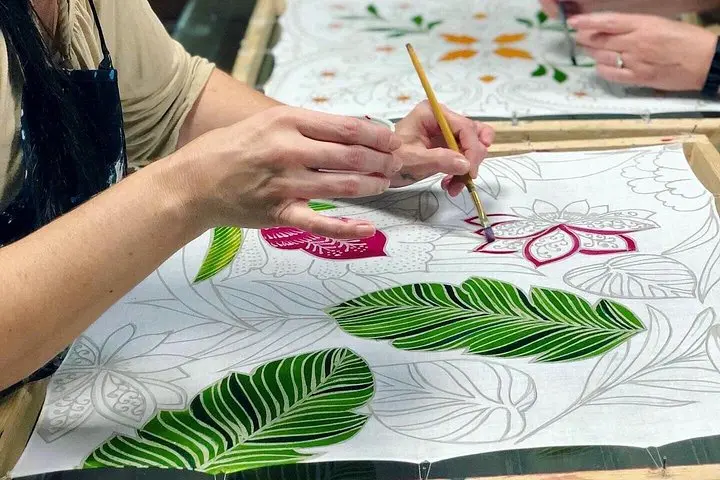
Sunlight filters through a small studio window while a stretched 100% cotton scarf waits on the table, its outlines drawn in pencil like a map of possibilities. In this Aventura workshop a Malaysian artist demonstrates tjanting and wax-resist lines, the slow hiss of hot wax punctuating conversation as participants dip brushes and shape color with deliberate strokes.
Sunlight filters through a small studio window while a stretched 100% cotton scarf waits on the table, its outlines drawn in pencil like a map of possibilities. In this Aventura workshop a Malaysian artist demonstrates tjanting and wax-resist lines, the slow hiss of hot wax punctuating conversation as participants dip brushes and shape color with deliberate strokes.
Batik is centuries old in Southeast Asia; the technique arrived in Malaysia via trade and evolved alongside regional dyes and motifs. In Miami’s subtropical landscape—built on limestone and braided by intracoastal waterways—this classroom of color sits amid a very different cultural and physical geography. The instructor pairs that lineage with practical technique: how to load a tjanting, where to place wax breaks for layered color, and why cotton accepts dye differently than silk.
The experience balances craft history and hands-on practice. Expect a three-hour session, all materials supplied, and the option to request a custom design with 48 hours’ notice. After painting, the instructor removes the wax and can either hand-deliver the finished scarf locally or mail it home.
Plan to wear clothes you don’t mind getting dye on, arrive hydrated, and allow time to finish slowly—the painting stage is meditative more than hurried. The studio is wheelchair accessible in most cases but note the host’s advisory about spinal injuries. This is a low-impact, high-creativity outing ideal for travelers who want a meaningful souvenir and a compact introduction to a technique with deep cultural roots.