THE ADVENTURE COLLECTIVE® · Independent discovery and booking for outdoor travel

In a quiet Yeonnam-dong alley, learn to transform traditional Korean confection techniques into modern cookies you can take home. This 80-minute hands-on class blends history, hands-on instruction, and a ready-made souvenir.
In a quiet Yeonnam-dong alley, learn to transform traditional Korean confection techniques into modern cookies you can take home. This 80-minute hands-on class blends history, hands-on instruction, and a ready-made souvenir.
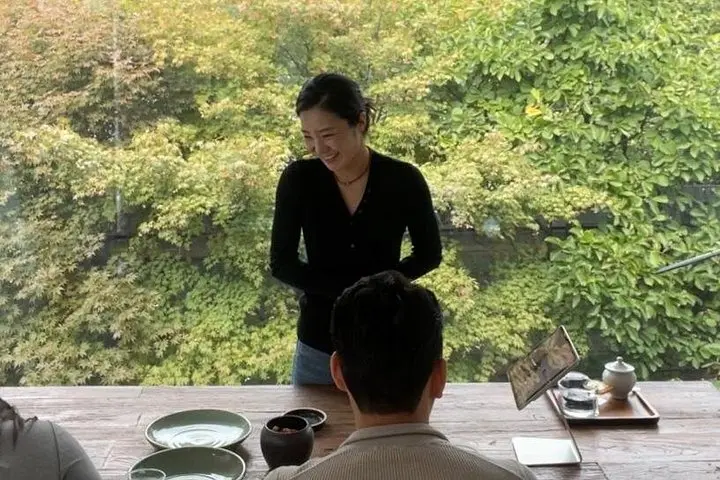
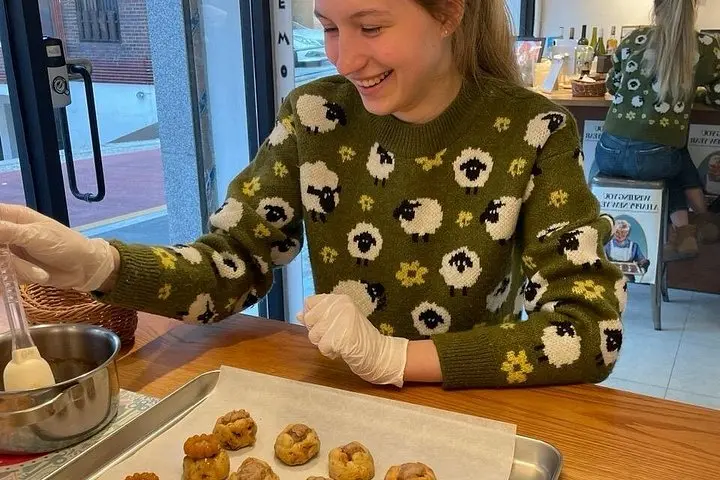
The alley is narrow and alive: steam from a small oven, tins clinking, and the steady voice of a baker who knows how old recipes bend into new shapes. Step inside Maremohe in Yeonnam-dong and the city noise drops to the measured rhythm of pressing dough and folding petals into cookie shapes. You’ll stand at a long table, given tools and ingredients, and guided through a sequence that turns simple flour and syrup into a keepsake.
Verified experiences and guided adventures in the surrounding area.
Operated by maremohe · Seoul, Seoul
The alley is narrow and alive: steam from a small oven, tins clinking, and the steady voice of a baker who knows how old recipes bend into new shapes. Step inside Maremohe in Yeonnam-dong and the city noise drops to the measured rhythm of pressing dough and folding petals into cookie shapes. You’ll stand at a long table, given tools and ingredients, and guided through a sequence that turns simple flour and syrup into a keepsake.
Korean confections draw on centuries-old hangwa techniques—pressing, molding, and glazing—that were once reserved for ceremonies and festivals. In recent years Seoul’s cafe districts have reinvented those forms into portable souvenirs: small, patterned cookies influenced by yakgwa, dasik, and pan-fried rice cakes. Yeonnam-dong itself grew from a postwar neighborhood into a creative quarter, where craftsmen and indie bakers experiment with tradition amid narrow streets and muraled walls.
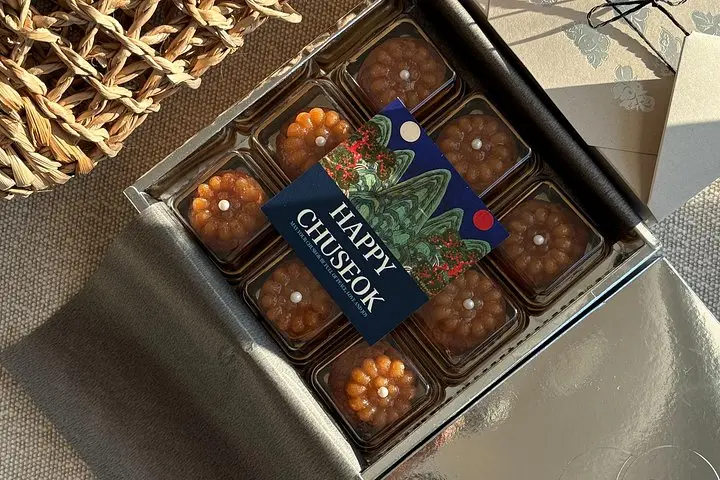
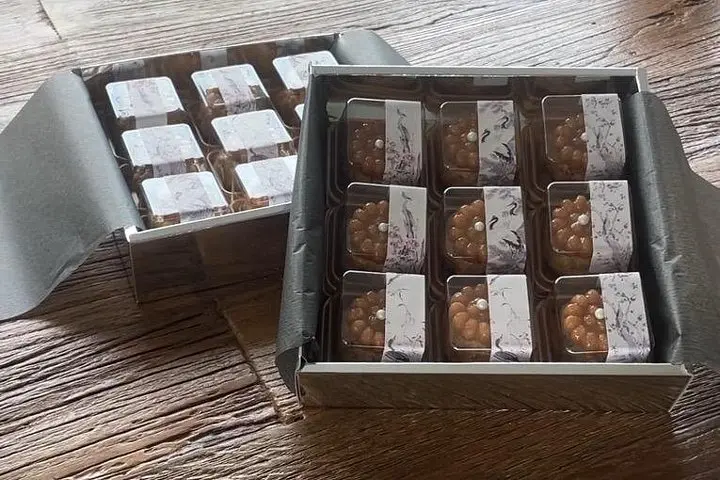
Practical bits: the class runs about 80 minutes, suitable for small groups (up to eight) with instant confirmation and mobile tickets. Ingredients, baking equipment, and a traditional-style souvenir package are provided; the shop is roughly a 15-minute walk from Hongik University Station and accessible by bus from central Seoul. Note the class isn’t recommended for those with nut or gluten allergies.
Come prepared to stand, use basic kitchen tools, and take home fragile baked goods packed for travel. A mid-morning slot avoids evening rush and gives you time to explore nearby Gyeongui Line Forest Park after baking. This is a hands-on, compact cultural exchange—part culinary lesson, part modern souvenir-making—rooted in Seoul’s reworking of food heritage.
The workshop is approximately 80 minutes from start to finish; time includes instruction, baking, and packing your cookies.
Yes—children can participate but may require adult supervision; check age policies at booking and notify the host of any special needs.
Yes, all ingredients and baking equipment are provided along with a traditional-style souvenir package for your cookies.
Full refunds are available if you cancel at least 24 hours before the scheduled start time; same-day cancellations are not refundable.
maremohe operates guided outdoor trips and adventures with an emphasis on safety, stewardship, and memorable experiences.
The alley is narrow and alive: steam from a small oven, tins clinking, and the steady voice of a baker who knows how old recipes bend into new shapes. Step inside Maremohe in Yeonnam-dong and the city noise drops to the measured rhythm of pressing dough and folding petals into cookie shapes. You’ll stand at a long table, given tools and ingredients, and guided through a sequence that turns simple flour and syrup into a keepsake.
The alley is narrow and alive: steam from a small oven, tins clinking, and the steady voice of a baker who knows how old recipes bend into new shapes. Step inside Maremohe in Yeonnam-dong and the city noise drops to the measured rhythm of pressing dough and folding petals into cookie shapes. You’ll stand at a long table, given tools and ingredients, and guided through a sequence that turns simple flour and syrup into a keepsake.
Korean confections draw on centuries-old hangwa techniques—pressing, molding, and glazing—that were once reserved for ceremonies and festivals. In recent years Seoul’s cafe districts have reinvented those forms into portable souvenirs: small, patterned cookies influenced by yakgwa, dasik, and pan-fried rice cakes. Yeonnam-dong itself grew from a postwar neighborhood into a creative quarter, where craftsmen and indie bakers experiment with tradition amid narrow streets and muraled walls.
Practical bits: the class runs about 80 minutes, suitable for small groups (up to eight) with instant confirmation and mobile tickets. Ingredients, baking equipment, and a traditional-style souvenir package are provided; the shop is roughly a 15-minute walk from Hongik University Station and accessible by bus from central Seoul. Note the class isn’t recommended for those with nut or gluten allergies.
Come prepared to stand, use basic kitchen tools, and take home fragile baked goods packed for travel. A mid-morning slot avoids evening rush and gives you time to explore nearby Gyeongui Line Forest Park after baking. This is a hands-on, compact cultural exchange—part culinary lesson, part modern souvenir-making—rooted in Seoul’s reworking of food heritage.