THE ADVENTURE COLLECTIVE® · Independent discovery and booking for outdoor travel

Make Makgeolli blends a hands-on fermentation class with tastings and cultural context in Gangnam. Learn traditional techniques, taste regional varieties, and leave with your own bottle of Korea’s iconic rice wine.
Make Makgeolli blends a hands-on fermentation class with tastings and cultural context in Gangnam. Learn traditional techniques, taste regional varieties, and leave with your own bottle of Korea’s iconic rice wine.
Morning light spills across Gangnam’s wide sidewalks as a small group files into a low-ceilinged studio where steam and the sweet smell of cooked rice hang in the air. The guide sets out wooden bowls and a mound of warm, hard‑boiled rice; packets of malted nuruk are ready like an invitation. Participants lean in, hands dipped in rice, guided through each measured fold and stir until a cloudy, living brew begins to take shape.
Verified experiences and guided adventures in the surrounding area.
Operated by Cosmojin Agency · Seoul, Seoul
Morning light spills across Gangnam’s wide sidewalks as a small group files into a low-ceilinged studio where steam and the sweet smell of cooked rice hang in the air. The guide sets out wooden bowls and a mound of warm, hard‑boiled rice; packets of malted nuruk are ready like an invitation. Participants lean in, hands dipped in rice, guided through each measured fold and stir until a cloudy, living brew begins to take shape.
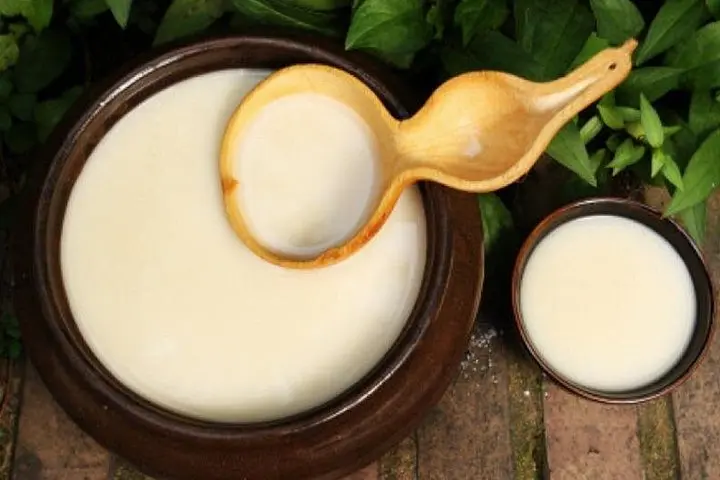
Makgeolli dates back centuries as Korea’s farmhouse rice wine — an accessible, slightly effervescent drink that sits at the base of Korean fermentation techniques. The process here compresses history into practice: the koji-like nuruk starts enzymatic work that turns starch to sugar, yeast wakes, and time brings tang and body. Gangnam itself, a modern commercial district, offers a contrast — neon and glass outside, slow‑brewed tradition inside — reflecting Seoul’s layered culture where old methods thrive amid new energy.
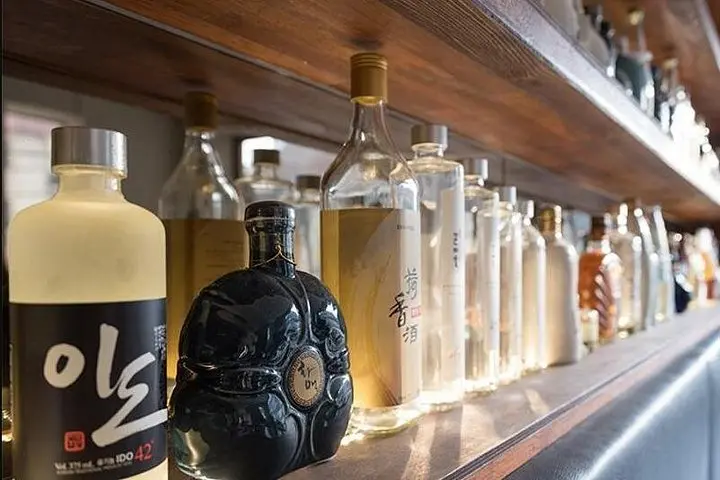
The workshop combines history, tasting, and hands-on brewing. Expect guided tastings of several makgeolli styles, a brief etiquette primer for serving and pairing, and a session making a starter batch using prepped rice and malt. Practical notes: the class runs about five hours, mostly indoors and low‑impact; bookings are typically required a week ahead.
Bring a notebook for recipes, plan transport via subway to Gangnam Station, and allow 2–3 days if you want to collect your fermented bottle later. The experience is tactile and social — you’ll leave with a jar, a better ear for fermentation, and a clearer sense of why makgeolli remains an everyday Korean drink.
Yes—participants typically leave with the starter or a small jar of their own batch; check with the operator about exact volumes and packaging.
The workshop is low‑risk but includes alcohol and hot rice; check age policies with the operator and disclose participants’ ages when booking.
Fermentation times vary, but a basic starter can be tasted in 2–3 days; fuller flavor develops over a week or more—guides will advise based on your batch.
Yes—inform the tour when booking, and remind the guide on arrival so they can adjust ingredients or guide you away from potential allergens.
Cosmojin Agency operates guided outdoor trips and adventures with an emphasis on safety, stewardship, and memorable experiences.
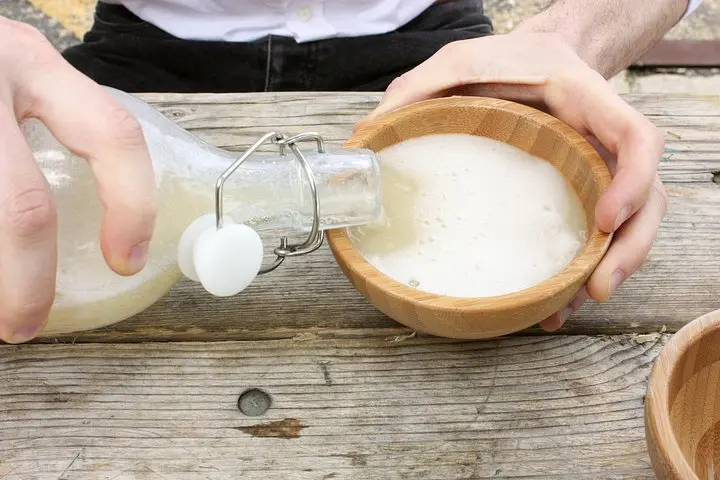
Morning light spills across Gangnam’s wide sidewalks as a small group files into a low-ceilinged studio where steam and the sweet smell of cooked rice hang in the air. The guide sets out wooden bowls and a mound of warm, hard‑boiled rice; packets of malted nuruk are ready like an invitation. Participants lean in, hands dipped in rice, guided through each measured fold and stir until a cloudy, living brew begins to take shape.
Morning light spills across Gangnam’s wide sidewalks as a small group files into a low-ceilinged studio where steam and the sweet smell of cooked rice hang in the air. The guide sets out wooden bowls and a mound of warm, hard‑boiled rice; packets of malted nuruk are ready like an invitation. Participants lean in, hands dipped in rice, guided through each measured fold and stir until a cloudy, living brew begins to take shape.
Makgeolli dates back centuries as Korea’s farmhouse rice wine — an accessible, slightly effervescent drink that sits at the base of Korean fermentation techniques. The process here compresses history into practice: the koji-like nuruk starts enzymatic work that turns starch to sugar, yeast wakes, and time brings tang and body. Gangnam itself, a modern commercial district, offers a contrast — neon and glass outside, slow‑brewed tradition inside — reflecting Seoul’s layered culture where old methods thrive amid new energy.
The workshop combines history, tasting, and hands-on brewing. Expect guided tastings of several makgeolli styles, a brief etiquette primer for serving and pairing, and a session making a starter batch using prepped rice and malt. Practical notes: the class runs about five hours, mostly indoors and low‑impact; bookings are typically required a week ahead.
Bring a notebook for recipes, plan transport via subway to Gangnam Station, and allow 2–3 days if you want to collect your fermented bottle later. The experience is tactile and social — you’ll leave with a jar, a better ear for fermentation, and a clearer sense of why makgeolli remains an everyday Korean drink.