THE ADVENTURE COLLECTIVE® · Independent discovery and booking for outdoor travel

Spend two hours learning to make pearl and puka-shell necklaces with a Maui artist in a beach-adjacent Kihei gallery. The workshop pairs hands-on instruction with local history and sustainably sourced materials.
Spend two hours learning to make pearl and puka-shell necklaces with a Maui artist in a beach-adjacent Kihei gallery. The workshop pairs hands-on instruction with local history and sustainably sourced materials.
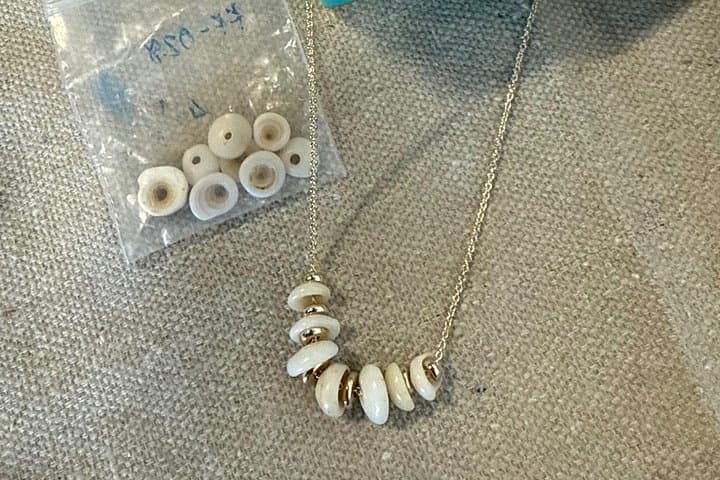
You slide into a low-backed chair in a light-filled gallery a few steps from South Kihei Road. Ocean air slips through the door and the shells on the workbench still smell faintly of tide. The instructor, Mona Lisa, lays out trays of Tahitian and Akoya pearls, freshwater beads and the small, hole-punctured puka shells she collects herself—each piece a small, salted remnant of the Pacific.
Verified experiences and guided adventures in the surrounding area.
Operated by Sherry · Kihei, Hawaii
You slide into a low-backed chair in a light-filled gallery a few steps from South Kihei Road. Ocean air slips through the door and the shells on the workbench still smell faintly of tide. The instructor, Mona Lisa, lays out trays of Tahitian and Akoya pearls, freshwater beads and the small, hole-punctured puka shells she collects herself—each piece a small, salted remnant of the Pacific.
Pearls and shellwork have long been part of Hawaiian adornment: beads and shells used to mark status, celebrate births, and honor the sea. Geologically, the puka shells are pieces of cone and auger shells smoothed by surf and time; pearls form inside oysters where grit and biology meet to build nacre. The class adds cultural context, including a few Hawaiian words and the story of pearls traded across Pacific networks.
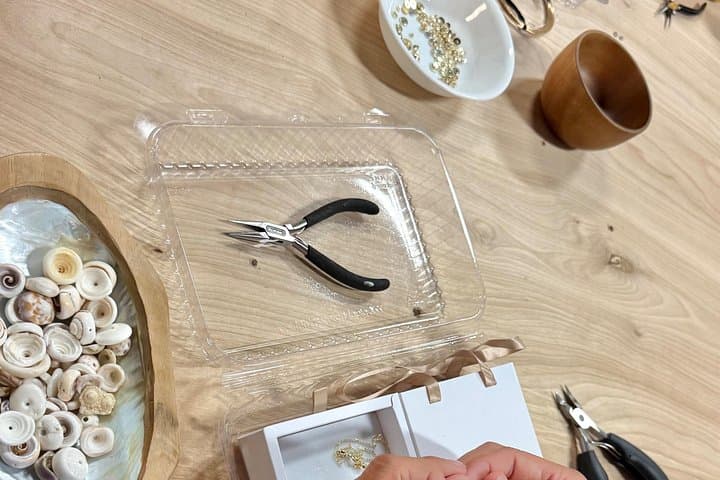
The two-hour workshop balances craft and context. You’ll choose a kit—pearl or puka—learn basic stringing, wire wrapping and clasp techniques, and get one completed necklace with time for a second design if you move quickly. Tools and materials are provided, light local snacks and tea are served, and small-group instruction keeps the pace accessible for beginners.
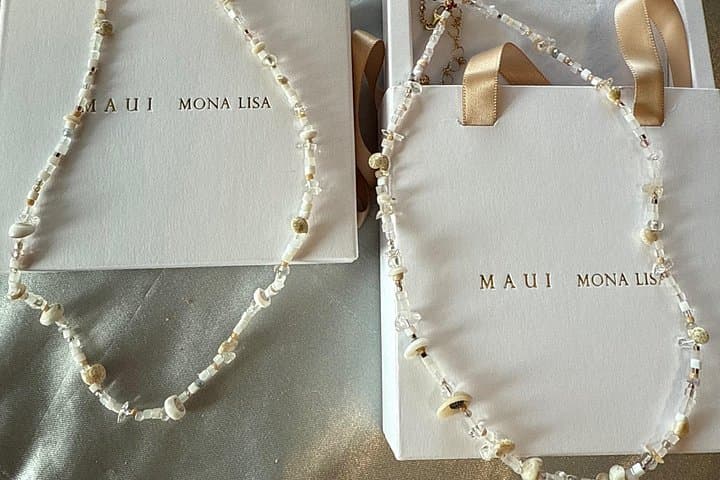
Practical notes: the studio is wheelchair accessible, BYOB-friendly, and offers Kihei-area pickup within a short radius. Expect to leave with a boxed piece of jewelry and a clearer sense of local materials and sustainable collecting. Bring sunscreen and a light layer for gallery breezes; plan two hours and a relaxed afternoon to craft something that carries the island with it.
No—this class is designed for beginners and the instructor provides step-by-step guidance and tools.
Yes—extra materials are available for purchase during class if you want to make a second piece or upgrade components.
The venue is wheelchair and stroller accessible; infants must sit on laps and small children are welcome under supervision.
The class uses real Tahitian, Akoya, freshwater and Keshi pearls and explains the differences between saltwater and freshwater varieties.
Sherry operates guided outdoor trips and adventures with an emphasis on safety, stewardship, and memorable experiences.

You slide into a low-backed chair in a light-filled gallery a few steps from South Kihei Road. Ocean air slips through the door and the shells on the workbench still smell faintly of tide. The instructor, Mona Lisa, lays out trays of Tahitian and Akoya pearls, freshwater beads and the small, hole-punctured puka shells she collects herself—each piece a small, salted remnant of the Pacific.
You slide into a low-backed chair in a light-filled gallery a few steps from South Kihei Road. Ocean air slips through the door and the shells on the workbench still smell faintly of tide. The instructor, Mona Lisa, lays out trays of Tahitian and Akoya pearls, freshwater beads and the small, hole-punctured puka shells she collects herself—each piece a small, salted remnant of the Pacific.
Pearls and shellwork have long been part of Hawaiian adornment: beads and shells used to mark status, celebrate births, and honor the sea. Geologically, the puka shells are pieces of cone and auger shells smoothed by surf and time; pearls form inside oysters where grit and biology meet to build nacre. The class adds cultural context, including a few Hawaiian words and the story of pearls traded across Pacific networks.
The two-hour workshop balances craft and context. You’ll choose a kit—pearl or puka—learn basic stringing, wire wrapping and clasp techniques, and get one completed necklace with time for a second design if you move quickly. Tools and materials are provided, light local snacks and tea are served, and small-group instruction keeps the pace accessible for beginners.
Practical notes: the studio is wheelchair accessible, BYOB-friendly, and offers Kihei-area pickup within a short radius. Expect to leave with a boxed piece of jewelry and a clearer sense of local materials and sustainable collecting. Bring sunscreen and a light layer for gallery breezes; plan two hours and a relaxed afternoon to craft something that carries the island with it.